- Home
- Agra
- Epoxy Flooring
- Epoxy Coving
Epoxy Coving for Industrial and Commercial Facilities in Agra
What is Epoxy Floor Coving? Epoxy floor coving is an aspect of floor detailing which involves creating a curved surface at the point of intersection between the epoxy floor and a vertical surface such as a wall, kerb…
Typical Cove Height
Finishes
Installation and Curing

CoatEXX Industrial Solutions offers Epoxy Coving Services in Agra to manufacturing plants, pharmaceutical plants, food processing plants, laboratories, commercial kitchens and any other industrial setting. An epoxy coving forms a rounded surface at the junction of the floor and wall.
Dust, grease, process residues and spillages tend to accumulate at the floor to wall joints in the industrial environment. In many cases, cleaning of these joints becomes difficult particularly in those industrial plants that undergo frequent wash down. Appropriate coving not only helps in the formation of smoother transition but also in maintaining the cleanliness and hygiene of the area.
An appropriate coving system is selected depending upon the floor material, condition of the wall, desired height, radius and operational conditions. For any construction that requires the installation of epoxy coving 75mm, the profile will have to be designed accordingly taking into consideration the dimensions as well as the adjoining flooring system.
CoatEXX Industrial Solutions offers coving solutions in Agra depending upon the site and project requirement, be it a new epoxy floor or coving along with the existing compatible flooring system.
|
System |
Layers |
Typical Dimensions |
Best For |
|
Standard epoxy coving |
Prepared substrate + epoxy mortar cove + compatible protective finish |
50–100 mm cove height* |
Commercial and industrial floor-wall junctions |
|
Heavy-duty epoxy coving |
Prepared substrate + resin mortar cove + chemical-resistant seal coat |
100–150 mm cove height* |
Industrial areas exposed to frequent cleaning and higher wear |
|
Hygienic epoxy coving |
Prepared substrate + smooth-radius epoxy cove + compatible seamless floor finish |
Site-specific radius and height |
Laboratories, clean production areas and hygiene-sensitive facilities |
- Creates a continuous transition between floors and walls.
- Reduces dirt accumulation at floor-wall corners.
- Supports cleaning protocols in suitable production and processing areas.
- Helps protect floor-wall junctions from routine washdown when correctly detailed.
- Resists selected chemicals depending on the epoxy formulation.
- Helps protect vulnerable wall bases from routine impact and wear.
- Requires clean, sound and properly prepared floor and wall surfaces.
- Needs careful shaping to achieve a consistent cove profile.
- The area must remain undisturbed until the material has cured sufficiently.
- Structural movement may cause cracking or separation at junctions.
- Damaged sections may require local repairs and finish matching.
- Existing floor coatings and wall finishes must be compatible with the epoxy system.
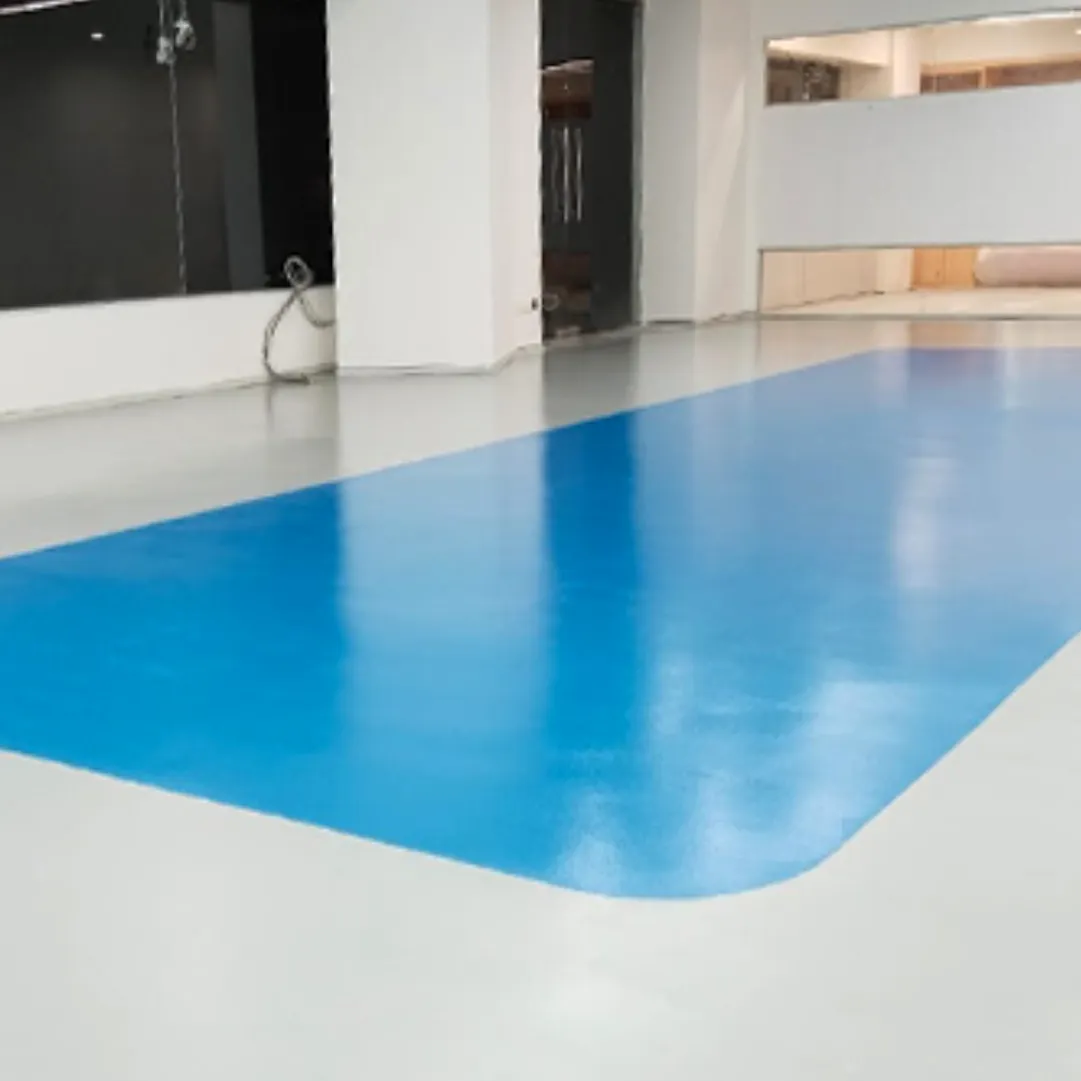
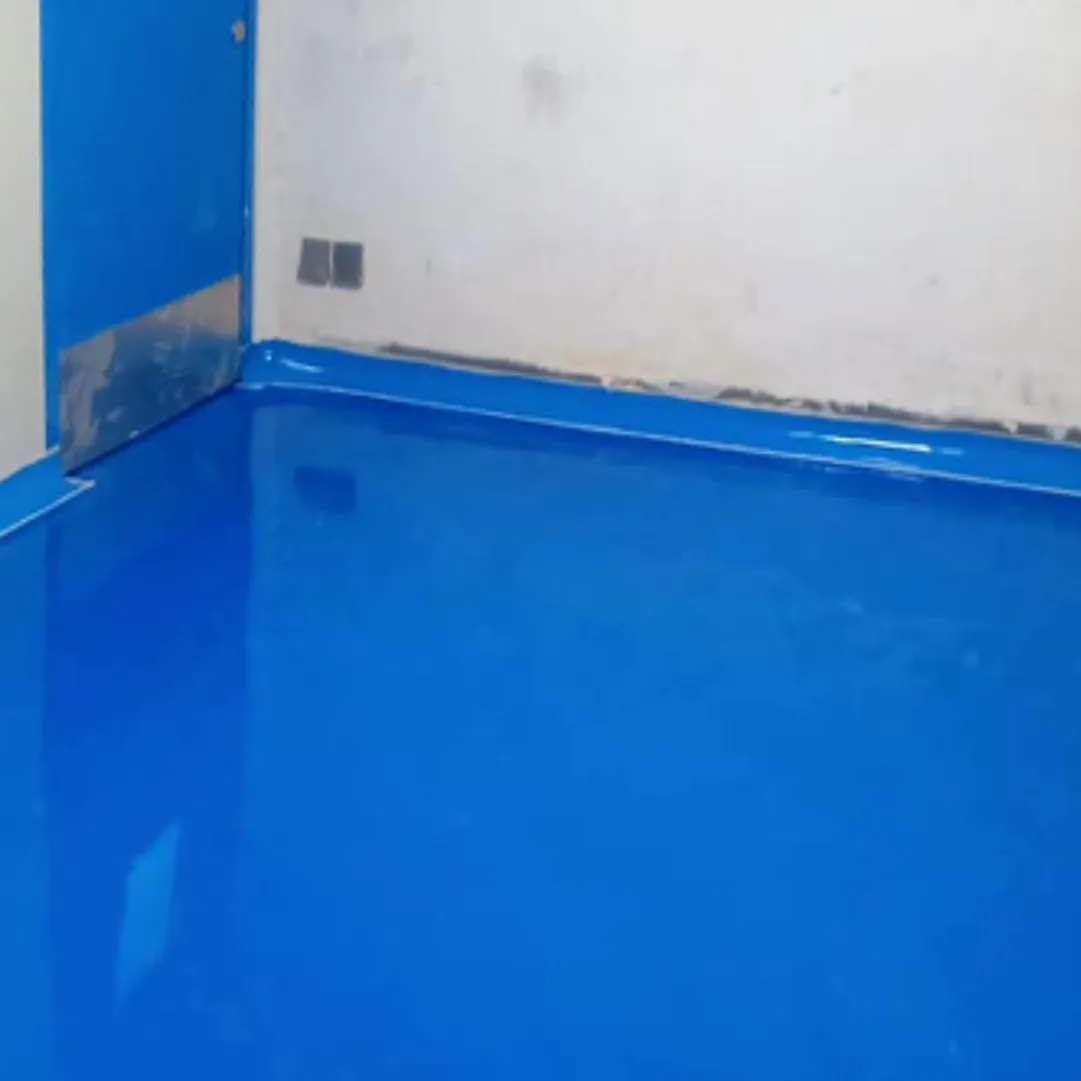


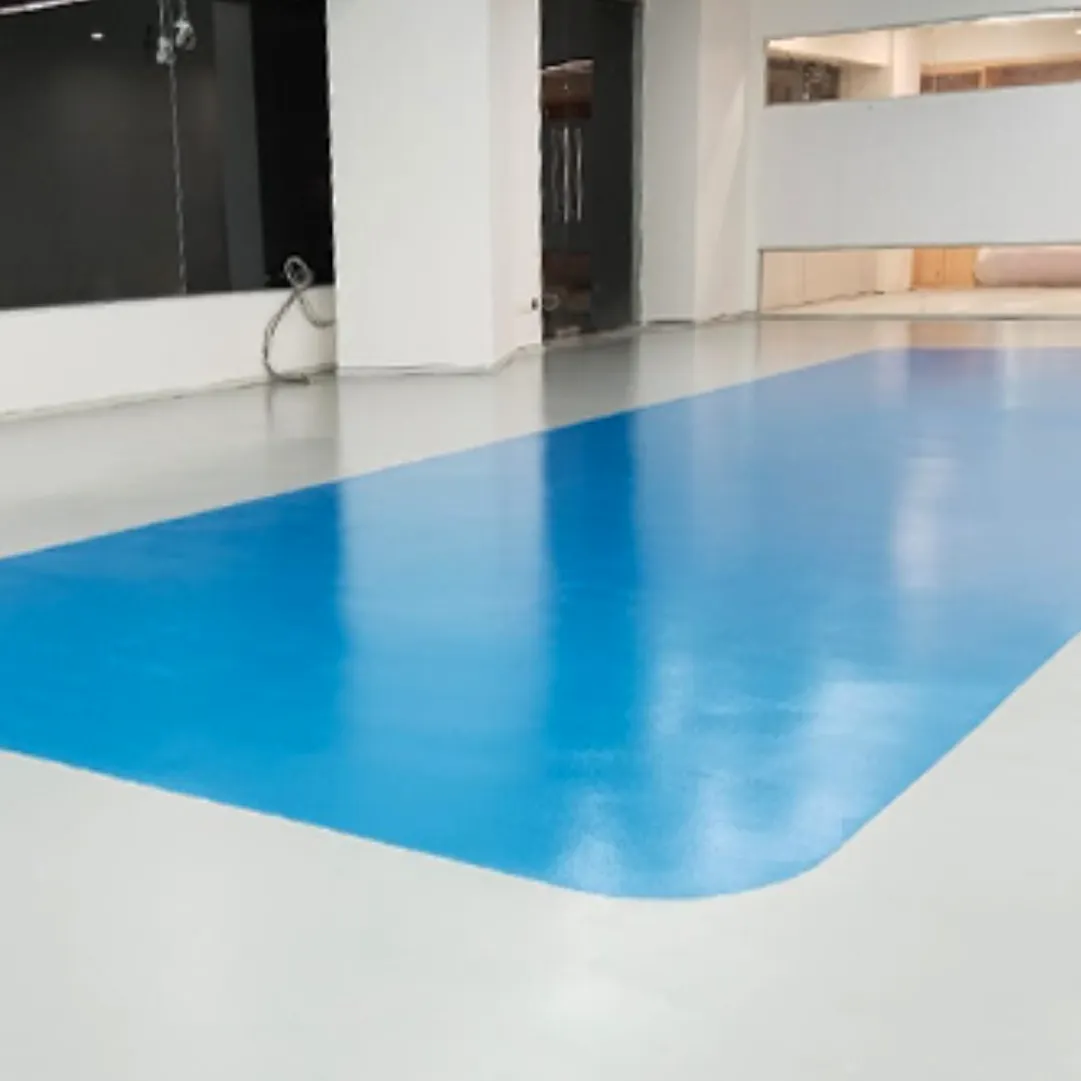
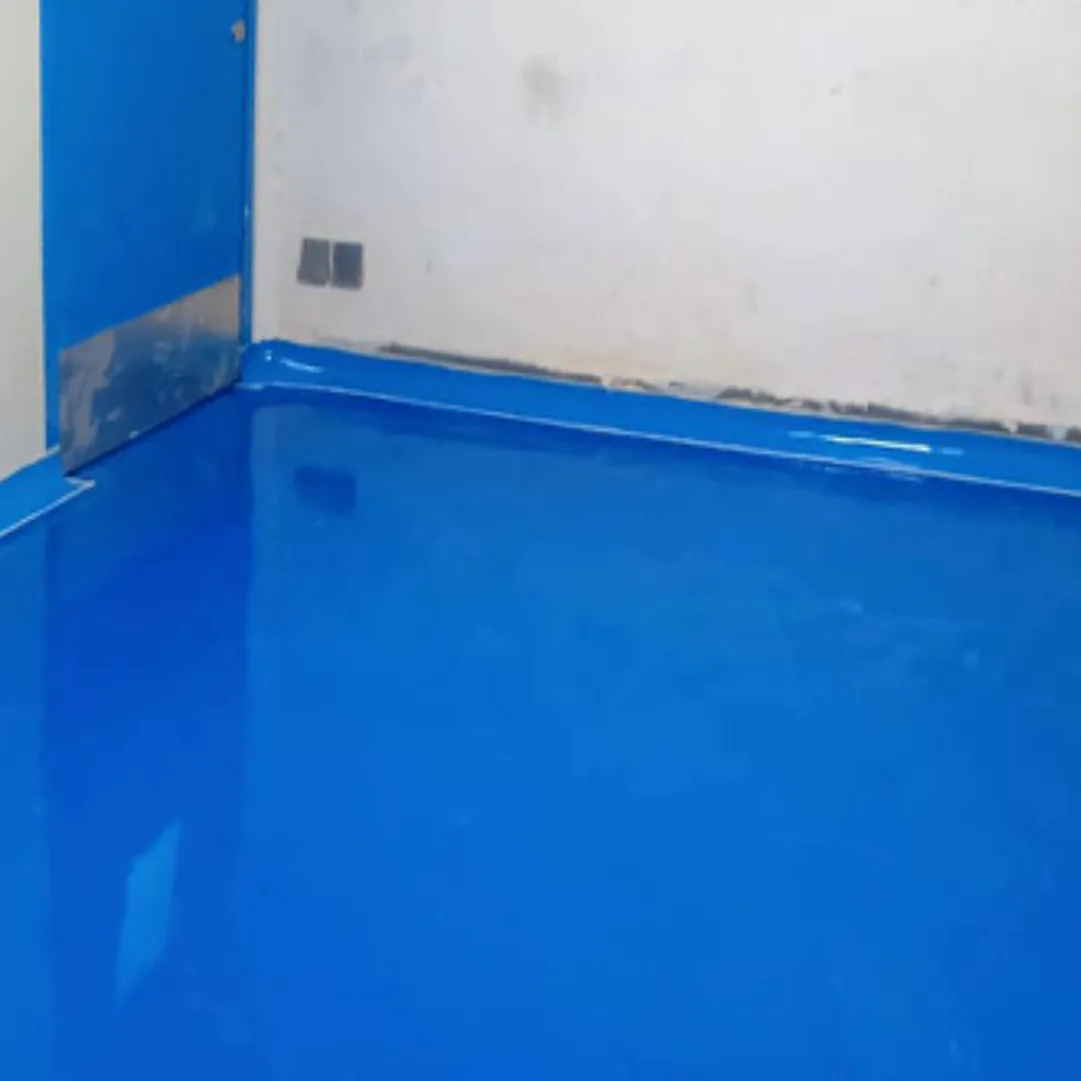
Epoxy coving creates a rounded connection in the joint area of the floor and walls. The coving system simplifies the cleaning process and is often used in industry, pharmaceuticals, food industry, and clean rooms.
In conventional skirting, a horizontal line is created along the lower edge of the wall, while the coving makes a rounded connection of the floor and wall. Industrial coving can be used for improving the accessibility of the surface for cleaning.
It is a nominal 75 mm coving measurement. Drawing or specification should make clear whether this measurement is based on the height, width or any other coving profile measurement.
Epoxy coving can be considered if material and coving profile correspond to the needs of the cleanroom.
Coving assists in reducing sharp corners where walls meet the floors and cleaning such junctions. Coving is used as a means of good hygiene but does not take the place of good sanitation and contamination control measures.
It varies with running meters, profile size, material used, surface preparation, repairs and corners. Site-based quotation is more accurate compared to a general pricing.
Understand Epoxy Coving and Its Uses
An epoxy coving refers to a curved junction between the wall and floor, created with a proper epoxy material. Unlike an acute corner, the curved junction helps reduce hard-to-clean areas in the room.
Some of the applications of the epoxy coving include;
- Pharmaceutical industries: Helps in the process of cleaning production and processing zones.
- Food processing industries: Helps provide easy clean junctions in wet and dry areas.
- Laboratories: Helps keep the floor to wall junctions clean.
- Factories: Help provide a finish junction between the wall and resin flooring.
- Commercial kitchens: Help facilitate cleaning of the floors.
- Warehouses: Finishes of coving where coving is needed.
The choice of the material should depend on the type of cleaning process, chemical exposure, substrates, and flooring needs.
Kinds of Epoxy Cove Skirting and Coving
Some of the common kinds of epoxy cove skirting and coving are:
1. Epoxy Cove Skirting 75mm
An epoxy cove skirting 75mm is basically a coving which has a height of 75 mm according to the measurement practice of the project. It is used where an upstand is required for protection at the floor-to-wall interface.
The final shape will depend on the height specified, radius, state of the wall and the floor level. This should be verified prior to installing the coving.
2. Standard Radius Epoxy Coving
Standard radius coving creates a curved junction between the floor and wall.For small radii there will be tight joints while for larger ones there will be loose joints.
The appropriate one will depend on the cleaning requirements, space available, coving height, and material system requirements.
3. Epoxy Coving with Resin Flooring
Coving may be installed along with a new epoxy floor, or with an existing resin floor system that is compatible with it. Coordinating both will allow for an even finish where the two meet.
Compatibility of the materials, proper surface preparation, and the order of installation must be verified prior to doing the job.
4. Repair and Replacement of Existing Coving
Cracks, chips, gaps, and the possibility of falling off from the walls and floor are some reasons why existing cornices may be in need of repair. An evaluation should be made of the damaged cornice whether partial repairs can be done or total replacement is required.
Selecting an Appropriate Size of Coving Radius
The coving radius size is that which determines the shape of the curve at the point of joining of the floor and the wall. The appropriate size of the radius will depend on the required profile, height, materials, and the purpose of the room.
Some of the things to take into account when choosing the radius include:
- Cleanability: The curve should be suitable for the type of cleaning equipment used in the facility.
- Coving height: The radius will have to work with the skirting specifications.
- Thickness of the Floor: The profile will have to meet the finished floor height without having any unevenness in the joining.
- Condition of the Walls: In case the walls are uneven, then preparation is necessary before installing.
It is important that you choose the height and radius of the coving before starting the work.
Coving Pencil Work Defined
"Covering pencil work" can mean preparing a certain type of curved joint for a floor/wall joint. The term can have different meanings from one construction firm to another, thus the type of profile should be specified in project drawings or samples.
For quality covering work, it is necessary to consider the following factors: the height of the profile, the shape, flatness of the surface, and the texture of the profile." It needs to be consistent along straight walls, at columns, and internal/external corners.
The applicator applies the right tools to achieve the right form of coving and looks for rough edges, gaps, pinholes, and uneven profiles. In the event where coving meets the epoxy floor, the junction needs to be finished in accordance with the flooring system.
Epoxy Coving Installation Procedure
Installation of epoxy coving demands proper surface preparation, measurements, and application of the materials.
Step 1: Inspection and Measuring of the Site
The installer inspects and measures the floor and wall joints for cracks, contaminants, degraded coatings, and improper surfaces.The coving will require proper height, radius, running length, corners, and columns measurement.
Step 2: Surface Preparation
Dust, dirt, loose particles, and incompatible materials are cleaned off the surface. Mechanical preparation is performed in order to create the surface which is able to bond properly. Injured concrete or plaster should be repaired prior to installation.
Step 3: Profiling
The required height and curve are marked on the floor-to-wall junction. Attention is paid to profiling the corners, columns, doorways, and changes of the floor level.
Step 4: Material Application
An appropriate primer and coving epoxy are applied in accordance with the chosen system’s guidelines. The material is shaped to form the required curve and height.
The ratios for mixing, application thickness, workable time, and environment need to be taken as per the technical data provided by the manufacturer.
Step 5: Finishing
Finishing of the coving surface is carried out to remove any imperfections and obtain a smooth curve. The joints are checked for any voids, pinholes, roughness, and separation from other surfaces.
Step 6: Curing and Testing
The curing process of the product is not interrupted until the product is cured enough. Curing times vary from one material to another and from one site condition to another. Prior to the delivery of the product, the coving is tested for profile, bonding, and finishing.
What Affects the Price of Epoxy Floor Coving Installation?
The epoxy coving price will depend on the material type and system, dimensions needed, length, and condition of the floor and wall. A job where the surfaces are prepared ahead will likely be cheaper compared to projects where there is much need for repairing or removing existing coving.
Key pricing elements include:
- Size of coving: Depending on its height and radius, different amounts of material are used and labor efforts required.
- Length of total running: Length of floor-wall joint will influence on the amount of material and time that is required to complete the job and, thus, will influence the quotation.
- Preparation of floor and wall surfaces: In case the surfaces have to be ground, cleaned and repaired, additional efforts will be made and the quotation will be higher.
- Materials to use: Different epoxy compounds, primer and other materials will be used and will influence on quotation.
- Corners and edges: Special attention should be paid to columns, corners and irregular joints.
- Conditions of site: Restricted access, limited working area, or restricted working hours can influence labor time and quotation of the job.
- Flooring: Epoxy coving installation along with resin flooring installation can influence overall quotation of the job.
Coving installation rate per running feet must be considered using the same height, radius, material type, and surface preparation requirements. A quote that excludes any corner finishing and repair might not give the whole project cost.
Epoxy Coving Contractor Selection
Selecting the appropriate epoxy coving contractor ensures that the profile is formed accurately and that the material is able to bond to the adjacent surfaces.
Before hiring the contractor, one should take into consideration:
- Experience in working with epoxy flooring and coving.
- Understanding about coving heights, coving radius, and profile finish.
- Ability to assess and treat surfaces such as concrete, plaster and painted surfaces.
- Understanding of how the materials are installed and allowed to cure.
- Precise measurements in regards to size, materials, and running length.
- A quote document that outlines scope of work, preparation, and exemptions.
- Work schedule and maintenance recommendations.
The contractor must evaluate the site before determining how to install and how much it will cost.
Services of Epoxy Cove Skirting from CoatEXX Industrial Solutions
CoatEXX Industrial Solutions offers epoxy coving services to industrial and commercial properties needing a smooth joint between floor and walls. These include factories, labs, pharmaceutical rooms, food manufacturing plants, and commercial kitchens.
Projects can be designed based on the desired height, radius, total length and compatibility with the existing or desired floor system. In case of epoxy cove skirting 75mm, dimensions need to be decided prior to installation.
Work involved will vary based on the condition of surfaces, choice of materials and cornering work, among other things.
Get in Touch with CoatEXX Industrial Solutions
If you need to install new coving, replace worn-out coving, or combine coving and resin floor, reach out to us at CoatEXX Industrial Solutions in Agra, servicing Noida, Lucknow, Prayagraj, Varanasi.
When requesting a quote, we require information on the approximate running length, the desired height, the radius that you require, and the condition of your floor and walls. You may use pictures or drawings or conduct a site survey for clarification purposes.
Based on this, the estimate will be drawn from the type of material, surface preparation, dimensions of profile, and other installation factors.
Get a site visit and a clear quotation from Coatexx Industrial Solutions.