- Home
- Bengaluru
- Epoxy Flooring
- Self-Leveling Epoxy (2mm / 3mm)
Self-Leveling Epoxy (2mm / 3mm) Services in Bengaluru
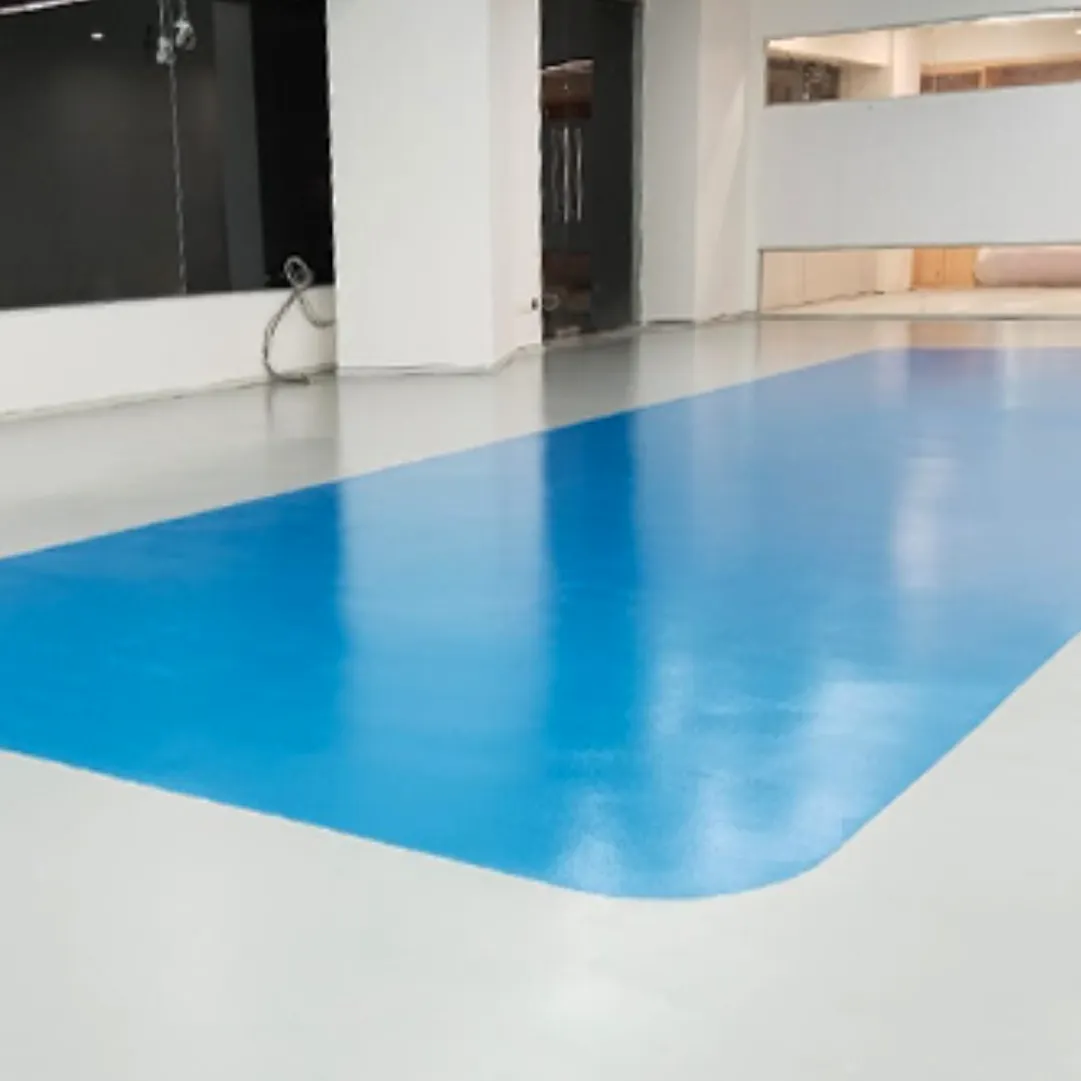
What Is Self-Levelling Epoxy Flooring? The self-levelling epoxy flooring system is made of epoxy resin and creates a flat, seamless surface by spreading the specially prepared mixture across the floor surface. It is…
Thickness Range
Light Traffic Cure
Full Chemical Cure

Having the right flooring can represent a very important investment for a business with a clean, smooth, and durable floor. Coatexx Industrial Solutions is applicable to commercial buildings, manufacturing facilities, warehouses, laboratories, and industrial buildings. For spaces that demand a smooth floor surface, low maintenance and long-lasting surface, we offer the best Self-Levelling Epoxy Flooring Services in Bengaluru!
We know that no two premises are alike and know the needs of each floor. There are some finishes that have to meet the standards of professionalism and some that have to be strong enough to withstand normal wear, equipment moving, and chemicals. We help our customers choose the right type of 2 mm or 3 mm epoxy flooring system to use in the application as necessary in Bengaluru.
We are a well-recognized surface preparation service provider associated with your area of Bengaluru and specialize in providing correct surface preparation, correct application, and even finish. Before recommending any solution, our staff performs a thorough study of the floor use, traffic, and activities that will be conducted on it. We are looking to create a maintenance-free, functional and long-lasting floor surface solution for the site.
Whether you are considering a new self levelling epoxy flooring installation or upgrading your existing floor with epoxy, our team can provide you with a quote for self levelling epoxy flooring and discuss the requirements of the job.
|
Factor |
2 mm Self-Levelling Epoxy |
3 mm Self-Levelling Epoxy |
|
Thickness |
Nominal 2 mm system |
Nominal 3 mm system |
|
Typical application |
Light-duty and selected commercial areas |
Selected industrial and commercial areas requiring a thicker layer |
|
Surface preparation |
Important; defects must be addressed |
Important; defects must be addressed |
|
Material requirement |
Generally lower for the same floor area |
Generally higher for the same floor area |
|
Cost considerations |
Depends on product, preparation, and site conditions |
May cost more due to additional material and system requirements |
|
Final selection |
Based on traffic and substrate condition |
Based on traffic, substrate condition, and required performance |
- Creates a smooth, level finish for commercial and industrial interiors.
- Minimises joints, making routine cleaning and maintenance easier.
- Protects suitable concrete surfaces from wear and selected chemicals.
- Provides an intact, easy-to-clean surface compared with untreated concrete.
- Creates a joint-free surface that supports cleanliness and a neat appearance.
- Offers a durable finish that helps reduce concrete dusting and surface deterioration.
- Requires proper surface preparation for effective adhesion.
- Not suitable for damp surfaces without moisture control.
- Can be slippery when wet without an anti-slip finish.
- May scratch under heavy dragging or sharp impacts.
- Requires curing time before full operational use.
- May require periodic maintenance or recoating in high-wear industrial areas.
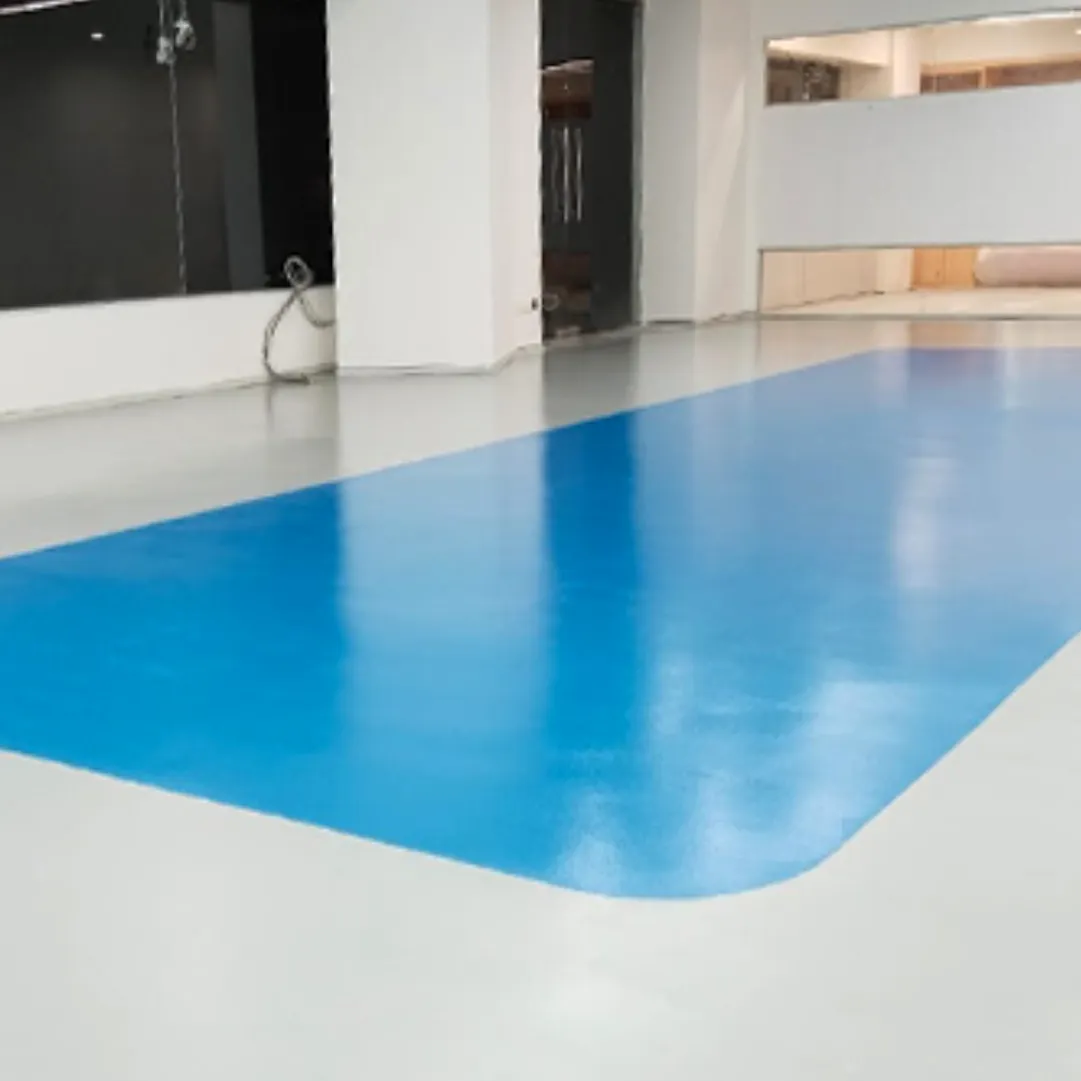
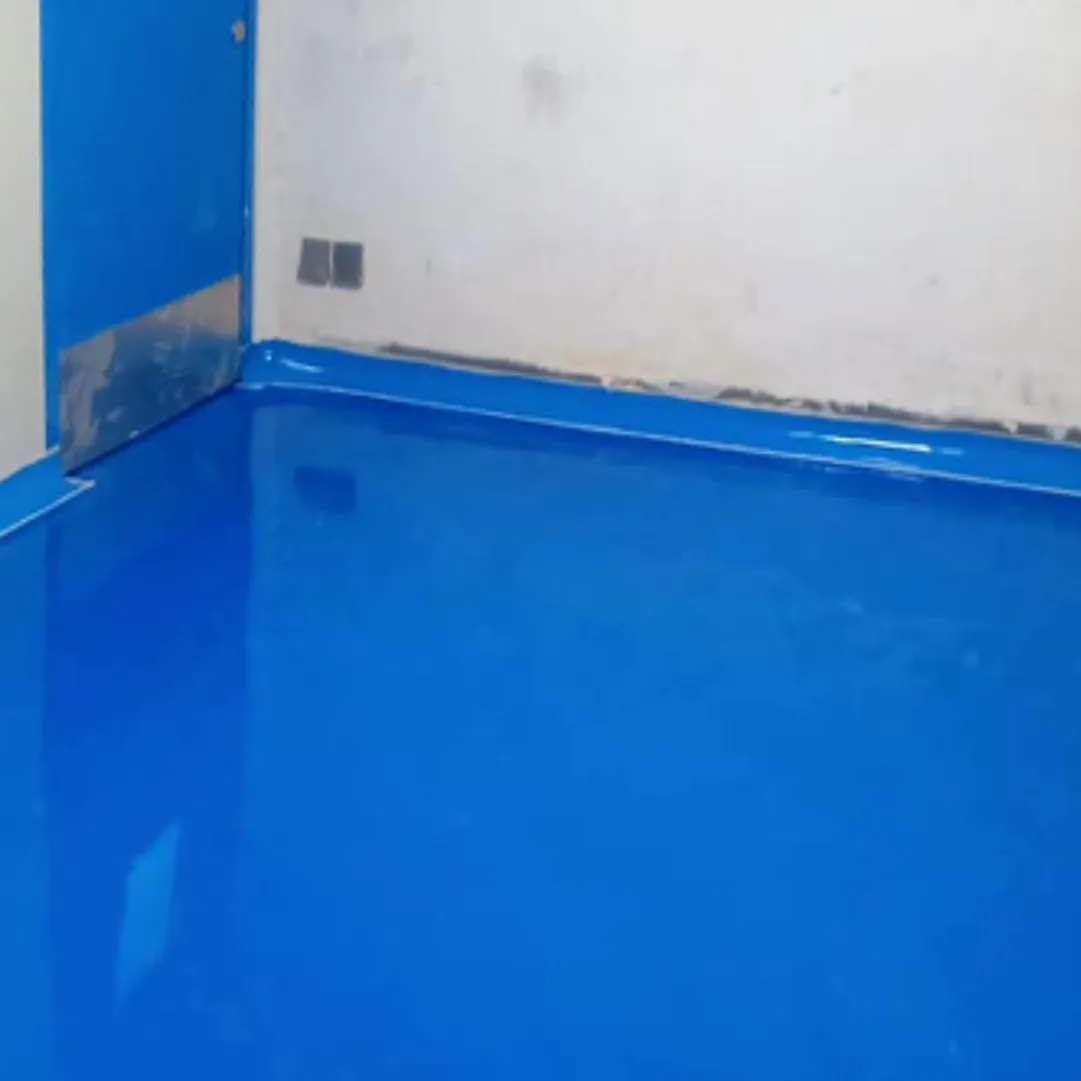


Self-leveling epoxy is an epoxy-based coating material that is applied onto an existing and prepared surface to give a smooth surface. Such flooring is suitable for certain types of industrial, commercial, and other interior floors.
The 2 mm self-leveling epoxy coating system involves the application of a thin layer of epoxy, while the 3 mm coating system involves a thick layer of epoxy coating.
Yes, it can be suitable for certain types of light industrial floors and pedestrian traffic floors.
Certainly not in all cases. While the 3 mm epoxy floor has more thickness, there are other factors that will determine which is the right choice in each case.
The amount of time needed to cure epoxy floors differs from one case to another depending on several factors, including the thickness of the coating, among others.
The factors influencing the quote are the thickness of the floor, material, area of the floor, repairs, etc. It is important to visit the site to provide the quotation.
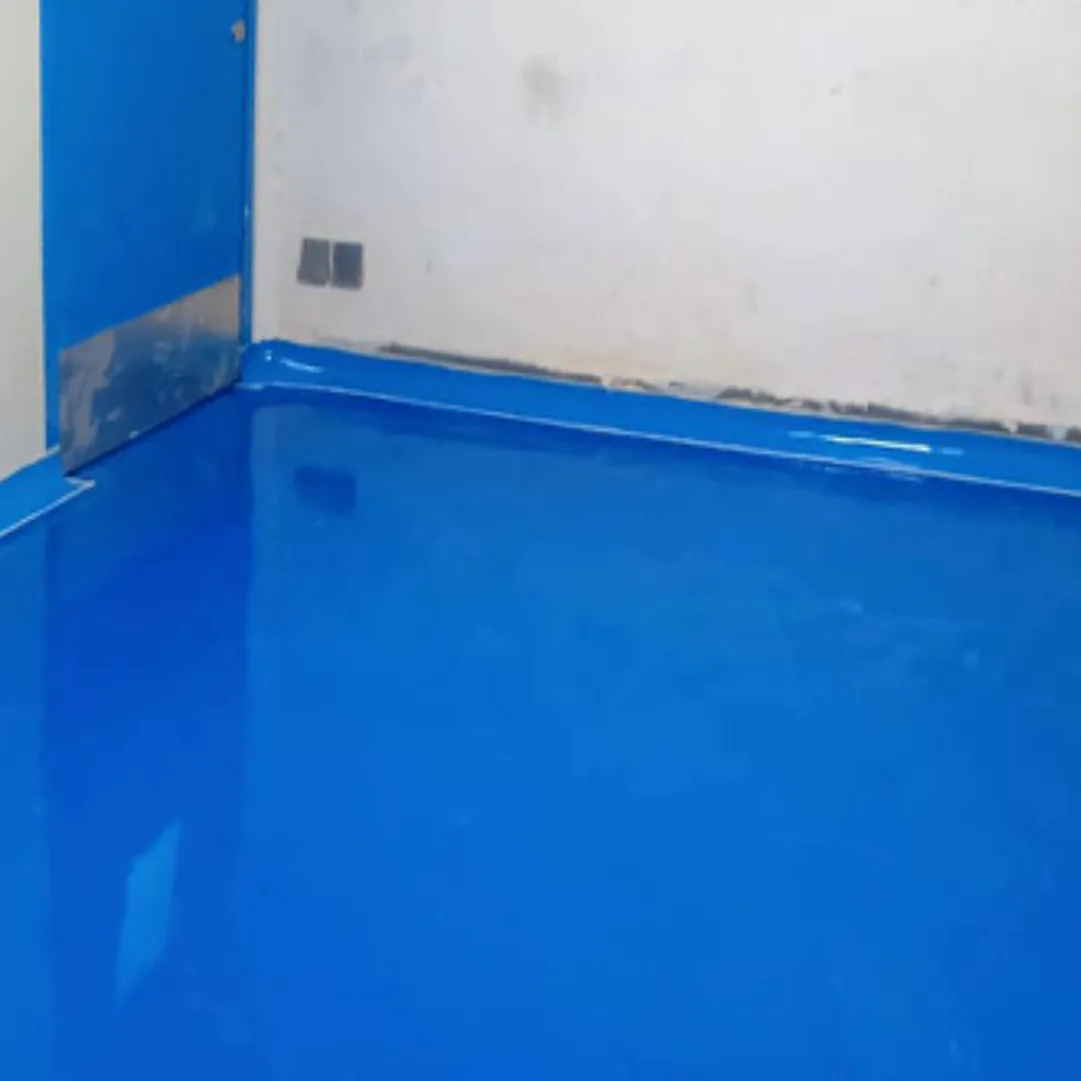
Self-levelling epoxy flooring is a resin-based flooring system that is applied over a concrete or compatible substrate that is prepared to the correct standard. After mixing and spreading, the epoxy fills the surface, resulting in a smooth and even surface. Once cured, it forms a durable, cohesive surface, adding to the appearance and performance of the floor.
Unlike traditional floor coatings, a good self leveling epoxy floor will create a smoother floor finish than the traditional coatings that may have visible roller marks. It is used often in situations where dust, cleanliness, and aesthetics are important and lend to easy cleaning.
It is most beneficial for its smooth finish. A seamless epoxy flooring is not a seamless tile; it doesn't have any lines or spaces to trap dirt and grime, as do traditional tile floors. Unlike a typical floor tile, there are no joints, so there is no space for dirt and grime to get trapped in the floor and make it harder to clean. The floor can also provide you with a shiny and professional appearance in accordance with the product and finish you select. The thickness of the base floor to be installed will depend on the condition of the base floor, the amount of traffic that is expected, and the performance of the area.
Factors That Confirm the Thickness of Self-Leveling Epoxy Flooring
The following are some of the factors.
-
A 2 MM Thick Self-Leveling Epoxy Floor
A 2 mm epoxy system could be considered for commercial areas, moderate foot traffic for light industrial areas, laboratory areas, and other areas. It can be used for a nice finish and to prevent a well-prepared concrete floor from wearing out.
This thickness can be considered if the existing substrate is satisfactory and in need of a heavier duty system is not. The ultimate specification should always be based on the manufacturer's recommendations and site conditions.
-
3 mm Self-Levelling Epoxy Flooring
Some industrial/commercial uses may require a thicker resin layer, and a 3 mm epoxy system may be more suitable. May offer a depth of material that exceeds 2 mm, depending on the formulation and method of installation of the product.
May be used if a production area, workshop, laboratory, or facility has a higher requirement for work conditions. However, that is not the only factor that determines performance. The chemical and/or impact resistance and surface preparation should also be taken into account.
Key Features of Self-Levelling Epoxy Flooring
These are the key features of self-leveling epoxy flooring:
-
Smooth, Even Surface
It is even applied using the self-leveling application method, which can help to achieve an even finish of the prepared floor. This can not only improve the appearance of business and industrial buildings but also make routine cleanings easier.
2. Seamless Finish
A smooth surface reduces surfaces for dirt and dust to get stuck in the joints. The feature can be helpful to cleaning facilities that are interested in having regular cleaning work in place.
3. High-Gloss Appearance
The epoxy floor coating is high gloss and gives a professional and shiny appearance to the floor. Generally used in showrooms, buildings, and some production spaces where appearance is an issue. The coating system and the desired finish determine the gloss level.
4. Everyday Wear Resistivity
The resistance to wear due to normal usage. An appropriate selection and installation can allow for the normal passage of people and an appropriate level of trolleys or equipment. The loading requirement should be determined prior to selecting the flooring specification.
5. Easy Maintenance
Appropriate cleaning equipment and cleaning products can be used to clean the smooth surface. Planned maintenance will help maintain the appearance and performance of the flooring.
Various thicknesses are available. Various thicknesses are available.
Depending on the requirements of the facility, either a 2 mm or 3 mm system can be used. The selection will be dependent on the substrate, traffic, exposure, and use.
6. Chemical Resistance
Some epoxy systems are resistant to certain chemicals, oils, and cleaning solutions. The resistance of the product to the chemical will be dependent on the product, concentration, temperature, and time of exposure; please check for chemical compatibility before installing.
Industries Served in Bengaluru
These are some of the industries we serve:
Pharmaceutical Industry: The self-leveling epoxy floor can be installed in pharmaceutical laboratories and pharmaceutical manufacturing areas. It has a smooth texture, which will be easier to clean and will help to fulfill hygiene requirements.
Epoxy in Healthcare and Laboratories: Smooth surface for easy clean-up in hospitals, healthcare facilities, and laboratories. The type of flooring system should be chosen based on the cleaning techniques, chemical exposure, and hygienic requirements.
Industrial or Manufacturing Industry: Industrial floors require resistance to machinery, movement, and regular operations. A properly installed epoxy flooring system helps preserve the integrity of the concrete surface and a clean working environment.
Warehouses and Storage Areas: In some warehouse areas in Bengaluru, such as packing areas and storage areas, epoxy flooring can be used. The flooring should be selected according to the conditions of forklift movement, heavy loads, and the concrete floor.
Food Processing Industry: Epoxy flooring systems that are compatible with the food processing area are installed in selected processing areas. The flooring must be able to be cleaned regularly and must be chemically resistant, as well as being able to drain and resist slipping.
Automotive Workshop: Due to the smooth surface of epoxy flooring, it is suitable for use in automotive service centers or workshops where there are stains, greases, and other workshop contaminants.
Office, Showroom, Retail Store and Other Commercial Buildings: In commercial buildings, high-gloss epoxy flooring has the ability to give a neat and professional appearance to the buildings.
Other Applications: Epoxy flooring can be installed in garages, basements, kitchens, and other spaces where a hard, easy-to-clean surface is desired.
Applications of Self-Leveling Epoxy Flooring
There are several different applications for self levelling epoxy flooring, depending on the conditions of the site and the level of application.
Common applications include:
- Industrial production floors, which need a smooth and continuous finish.
- Pharmaceutical/laboratory zones that have specific cleaning needs.
- Showrooms are the display areas of importance that are commercial.
- Packaging and assembly areas where there is a lot of pedestrian traffic.
- Storage areas with suitable traffic flows (e.g., warehouses or storage rooms).
- Selected oils and chemicals shall be used at the workshops and maintenance areas.
- In processing areas and commercial kitchens where the above-mentioned system is applicable.
- If a surface is needed that can be easily wiped down and maintained, any corridor or Utility Space will require it.
Self-Levelling Epoxy Thickness—2 mm or 3 mm?
The thickness of the self-leveling epoxy applied will vary according to the load that the floor will be supporting. A 2 mm system could be adequate for medium traffic applications; a 3 mm system may be considered for applications where a thicker coating layer is needed.
In making a selection, the following should be taken into account:
- Pedestrian traffic/light movement can have different needs as compared to forklift/heavy equipment traffic.
- The quality of the substrate: Cracks, unevenness, and weak concrete can impact the finished product.
- Chemical exposure: Coating has to be compatible with the chemicals being used in the facility.
- Concrete moisture conditions: If there is excessive moisture in concrete, it can cause adhesion problems or failure.
- Other maintenance requirements, like cleaning methods and operating conditions, can impact product selection.
- Finish requirements: Level of gloss, color, and slip surface should be consistent with that required for the application.
How Many Coats Does It Take to Apply the Self-Leveling Epoxy?
The number of coats is dependent upon the flooring system the manufacturer will require for the self-leveling epoxy. It usually comprises a primer, a self-leveling epoxy body coat, and, optionally, a topcoat.
The primer may help the coating to bond to the surface it is to be applied to. The body coat is the foundation coat of the floor, and a different topcoat will be selected to achieve the desired chemical, abrasion, UV, and appearance characteristics.
All systems are not created equal when it comes to layers. The number of coats is not the determining factor in the installation plan; the product selected, the desired thickness, and site conditions should be used to determine the installation plan in Bengaluru.
Self Levelling Epoxy Flooring Price in Bengaluru
The self leveling epoxy flooring rate will be different for each project, as it depends on various factors; it can't be quoted as a fixed floor job price. The final quotation should include the thickness of the existing substrate, the specification of the substrate being used, the area of the floor to be covered, and the condition of the existing substrate.
There are key cost components that are
Overall size of the project and where it is situated.
- The need for a 2 mm or 3 mm system.
- Grinding, cleaning, and surface preparation.
- Sealing cracks, patching, and leveling.
- Primer, epoxy resin, and desired Topcoat.
- Color, finish, and chemical resistance needs.
- Labor requirements, equipment, site access, and project scheduling.
Factors of Cost of a 2MM Epoxy Floor
The rate of the 2 mm epoxy flooring is mostly based on the following factors: installation area, material system, and site preparation. A damaged but properly prepared floor may not require as much repair as a cracked or worn floor.
The quantity of coating materials required for a 3mm system compared to an equivalent 2mm system will differ, as will the quantities required in different installations, depending on the products. To provide accurate estimates, customers should provide an estimated floor area, site location, condition of the existing floor and the customers' use and desired thickness. This information will enable the service provider to create a more informative quotation, rather than quote a price that might not reflect the project.
Why Choose Coatexx Industrial Solutions?
Our mission is to design and implement the solution in each project, based on an understanding of the needs. It can be clearly understood that a commercial warehouse, a pharmaceutical organization, and a commercial showroom require different specifications for the floor.
Our service is around:
- Application-Based Recommendations: The epoxy system to be used, either 2 mm or 3 mm thick, will be decided by the application, depending upon the space to be installed.
- Proper Surface Preparation: Grinding, cleaning, and repairing the surface will give a proper surface for the application of epoxy.
- Uniform Finish: Achieving a uniform finish is important: mixing, spreading, thickness, and curing.
- Selecting an appropriate system: The system selected should match the appearance, traffic, cleaning procedure, and requirements for chemical exposure of the system.
- When preparing an estimate, we take into account the size, type of substrate involved, thickness, and scope of work.
- Practical Communication: We want to inform our customer what they need to expect when installing, preparing, and curing so they can plan accordingly.
We don't aim to sell the same system as a solution for all working environments, but we strive to provide the best flooring solution.
How Long Will Epoxy Flooring Last?
The potential life of a properly installed system is of several years' duration, but there is no specific life of each particular floor. It may be expected to have a short life as a result of heavy traffic, impact and abrasive materials, chemical spills, or moisture-related problems. Poor preparation of weak concrete or application of poor concrete also may cause peeling, cracking, or loss of bond. The floor can be kept clean by maintaining it appropriately, regularly cleaning it and immediately using the correct maintenance chemicals to clear up all spills.
Damaged sections will be able to be identified early by regular checks and are not likely to be able to infect other sections. It is worth mentioning that waterproofing is not a type of epoxy floor. There is no solution to water ingress, rising damp, or structural moisture problems; an appropriate epoxy system will only provide a low permeability surface.
Epoxy Flooring Services in Bengaluru
For businesses seeking self-leveling epoxy flooring in Bengaluru that need a 2 mm or 3 mm thickness, they should take the condition of their existing floor, amount of daily foot traffic, and other factors into consideration. We can supply project-specific flooring solutions for commercial and industrial applications and solutions for Belagavi (Belgaum), Hubballi (Hubli), Mangaluru (Mangalore), Davanagere and others.
Reach Out Now
Call us and discuss your project, and we'll be glad to provide you with a quotation for self levelling epoxy flooring. Choose appropriate floorings for the appropriate visual and functional attributes for the facility.
Get a site visit and a clear quotation from Coatexx Industrial Solutions.