- Home
- Bihar
- Epoxy Flooring
- Floor Levelling Screed
Professional Floor Levelling Screed Contractors in Bihar
What Is Floor Levelling Screed? Floor screed is cement based or proprietary cement screed applied over a base to form a surface of a suitable level or finish to the underlying flooring system. Screed can be used to fix…
Screed Thickness
Full Curing Time
Screed Options

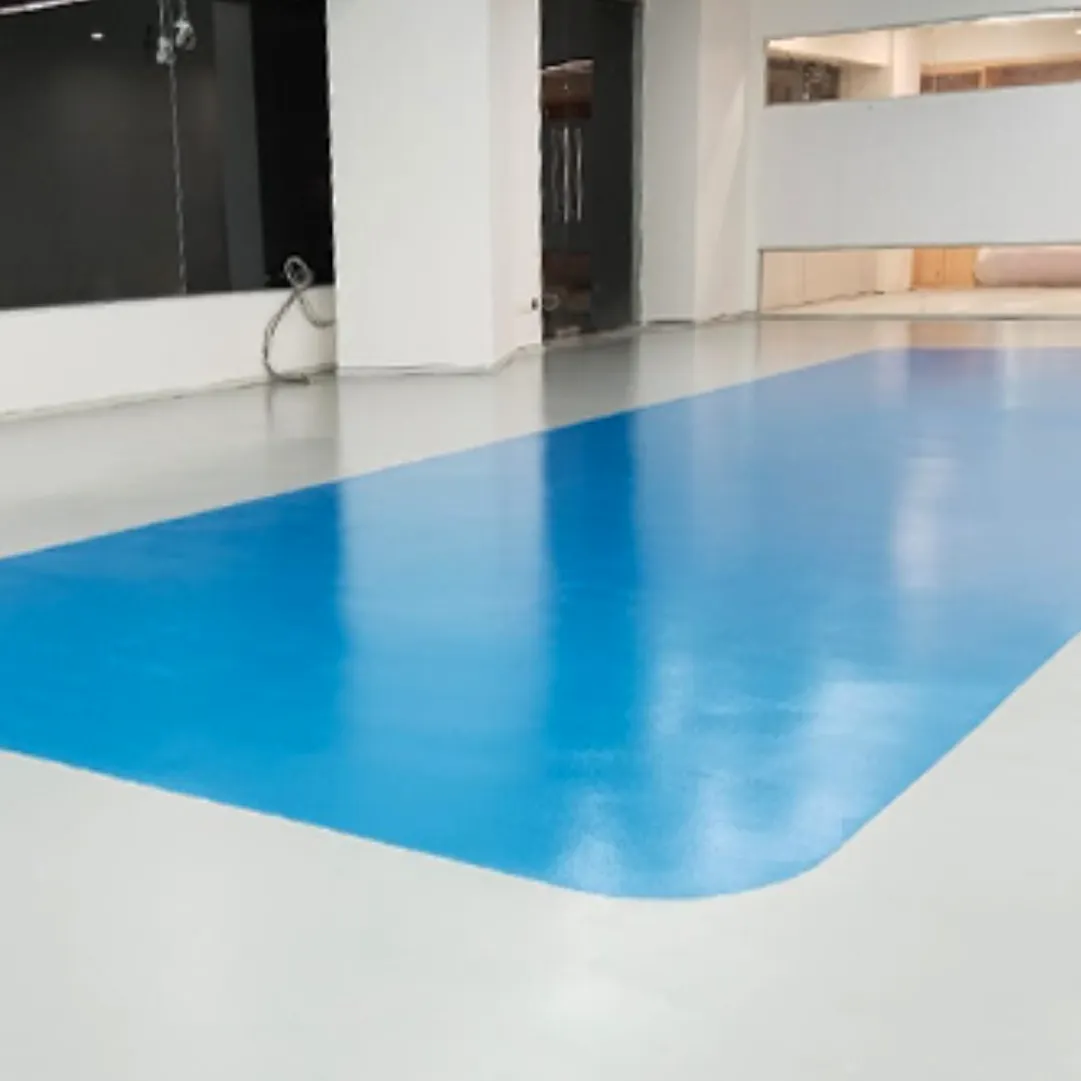
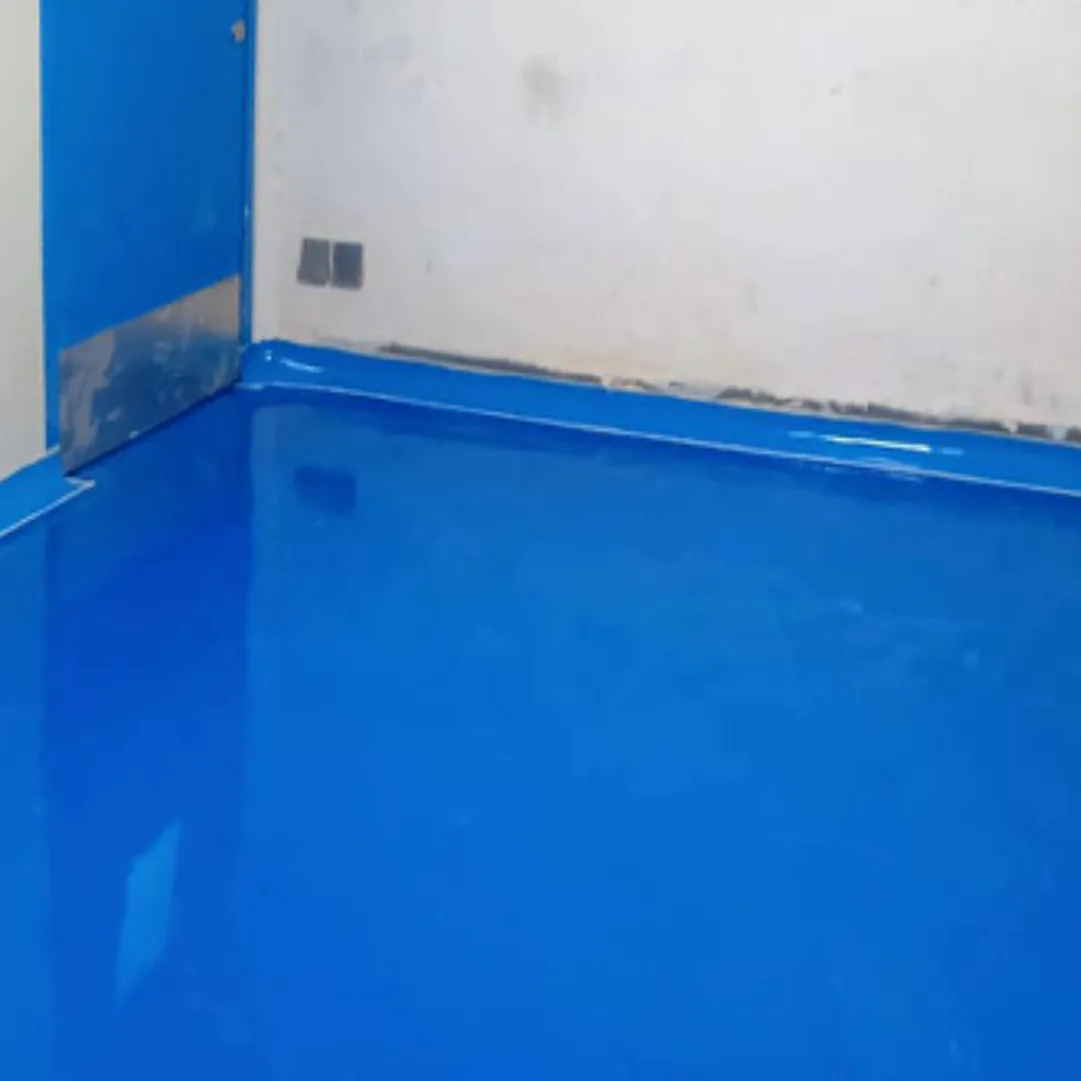
CoatEXX Industrial Solutions offers floor levelling screed services in Bihar to factories, warehouses, workshops, manufacturing facilities, and commercial buildings. An uneven floor surface can cause difficulty in moving materials, machines, and in cleaning and applying the coatings to the floor surface. Floor leveling is the process of making corrections to the floor surface and getting ready for subsequent work.
Floor levelling services offered by us include floor inspection, preparation of the floor surface, screeding, and floor levelling depending on the condition of the floor surface. However, depending upon the specific project, floor leveling can be done by using cement sand screed, self-leveling compound, or even patching. The choice of the material is made considering the thickness needed, floor surface condition, traffic, and future flooring system.
Whether you have to level a warehouse floor marking or prepare the factory floor for an epoxy coating application, CoatEXX Industrial Solutions will help choose a proper approach. Floor levelling screed services in Bihar are based on the specific requirements of the building facility and its floor condition.
|
System |
Layers |
Typical Thickness |
Best For |
|
Cementitious levelling screed |
Prepared substrate + cement-sand screed |
Typically 25–75 mm* |
General floor levelling and correcting uneven concrete bases |
|
Polymer-modified screed |
Prepared substrate + compatible bonding agent, where required + polymer-modified screed |
Product- and application-dependent |
Repair work and levelling where improved bonding is required |
|
Self-levelling compound |
Prepared substrate + compatible primer + self-levelling compound |
Typically 2–10 mm* |
Minor surface irregularities before compatible floor finishes |
|
Heavy-duty screed |
Prepared substrate + bonding system, where required + designed screed mix |
Load- and thickness-dependent |
Industrial areas requiring a robust base for subsequent flooring |
- Lessens the visible depressions and peaks
- Makes the floor covering lie flatter
- Favors a more consistent finished appearance
- Assists in the scheduling of preparation, drying, and installation
- Local defects can be fixed without replacement of the entire base, where suitable
- The system is able to project anticipated traffic, finish, and maintenance requirements
- Requires a clean, stable and properly prepared base.
- Needs adequate curing before subsequent flooring installation.
- Residual moisture may affect coating adhesion and finish quality.
- The selected screed must suit the required level correction and floor loads.
- Poor mix design, inadequate curing or substrate movement can cause cracking.
- Not every screed is suitable for every epoxy, PU or other floor finish.
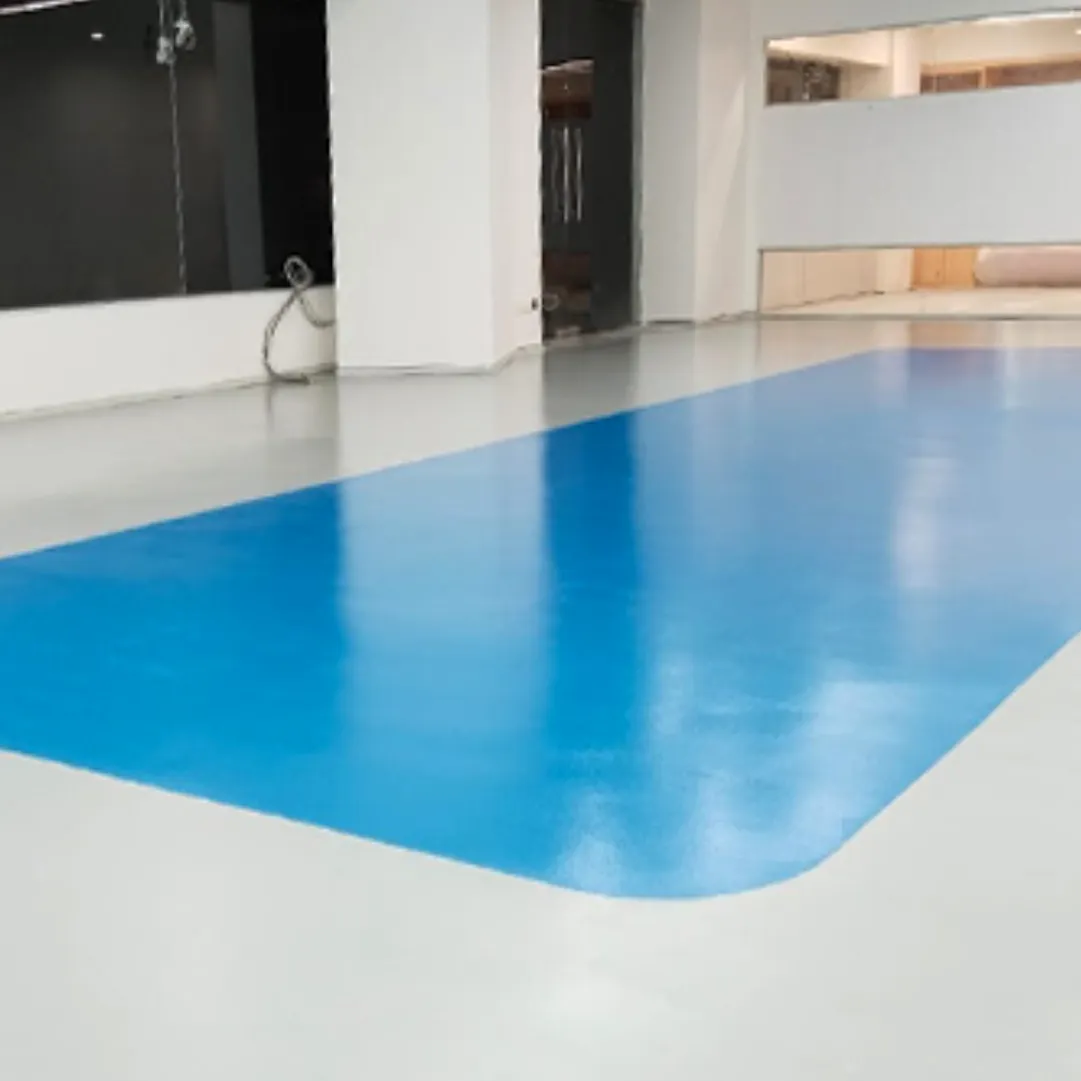
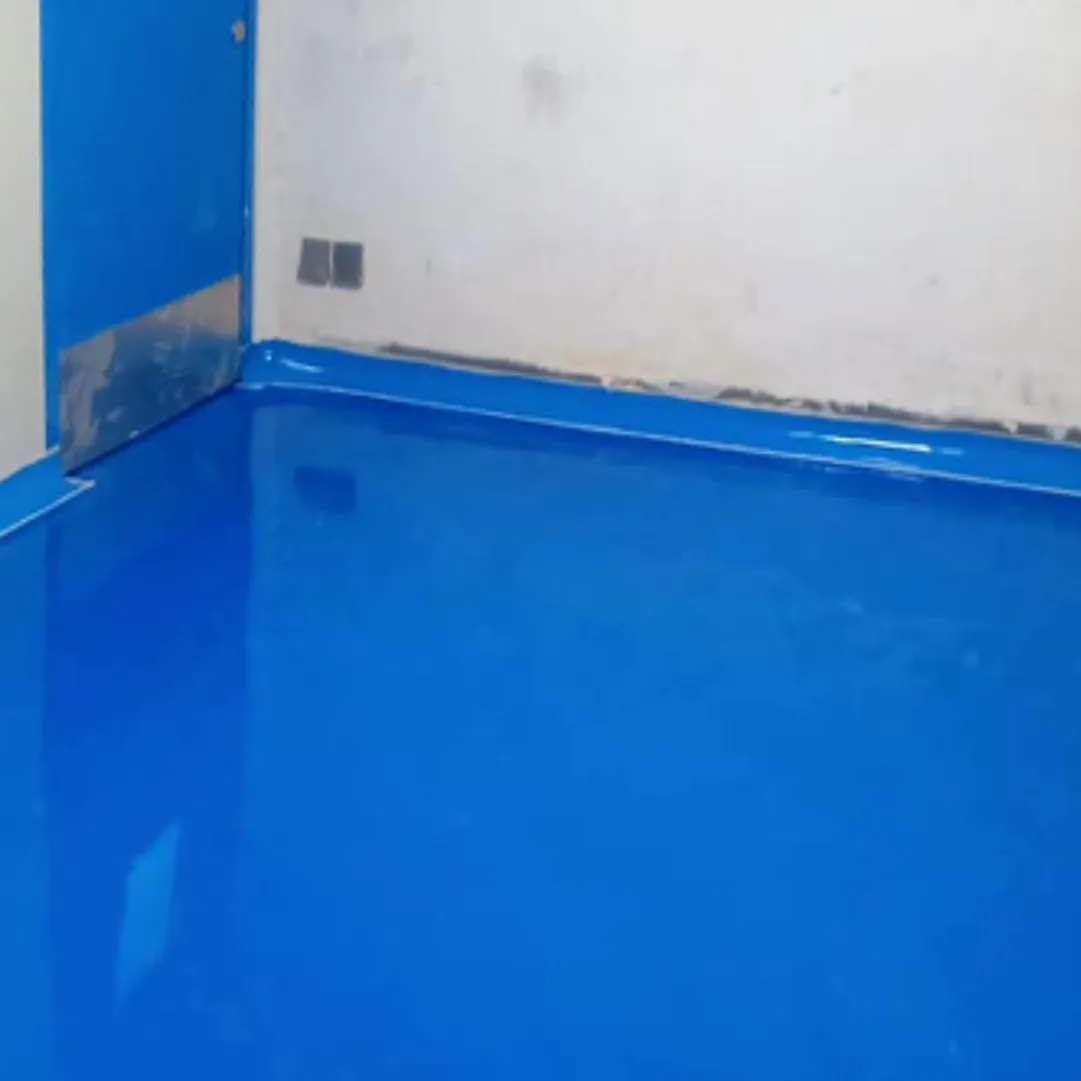
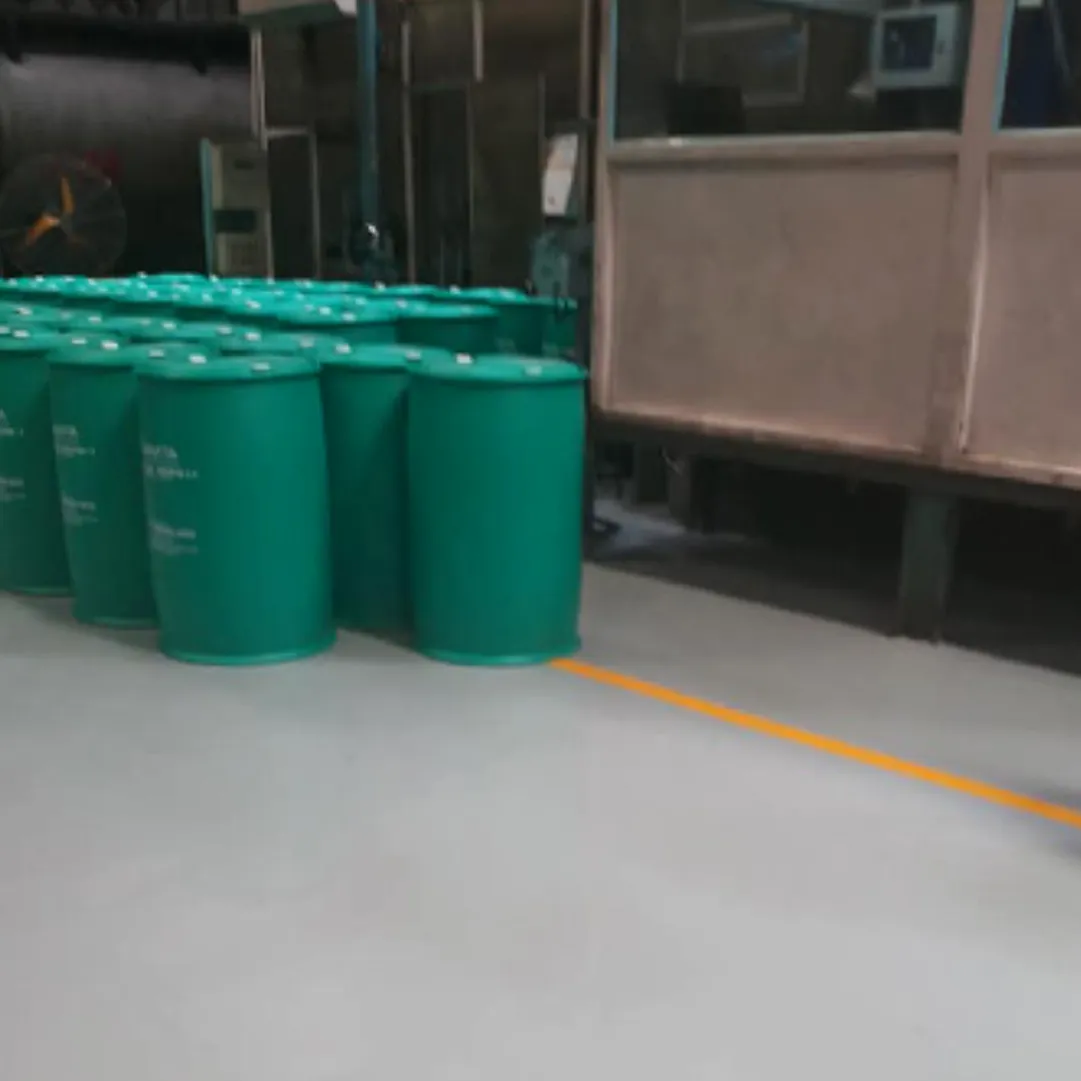


It rectifies appropriate floor defects and provides an even surface upon which a given finish is going to be applied. There may also be a level or fall attained by some products. The correct system hinges on the substrate, depth and the ultimate flooring.
This may have dips, ridges or irregular transitions that indicate that levelling is necessary. A site inspection can determine the variation and it can be known whether a grinding or local repair is needed or a levelling layer is needed.
Sometimes, though, the surface upon which the item is to be placed needs to be clean, stable and in good condition. Bonding may be inhibited by old adhesive, paint, oil, loose material, moisture or movement. Prior to application, compatibility and preparation requirements are to be made.
There is no single drying time of the screeds. It is affected by the product, thickness, temperature, humidity, ventilation and substrate. Follow the product data sheet and verify the moisture requirements of final flooring system and subsequently cover the surface.
Yes, a compatible product can be installed where resin flooring specification allows it to be used. The underlayment should be solid, well-bonded, dry enough, and to the necessary profile. The moisture needs and epoxy manufacture substrate of the manufacturer should be verified.
The depth of floor variance, the nature of screed, bonding configuration, strength of substrate, intended load and the range of allowable thickness of the manufacturer all count. Deep variations can require dissimilar repairs or another build-up instead of a thin compound applied to the outside of its limits.
Importance of Floor Leveling Screed and its Applications
A floor leveling screed refers to a layer of material that is laid over the floor substrate to improve the evenness of the surface of the floor. The materials used are either cement based or specially manufactured for specific applications.
For industrial structures, floor screeding will be useful if the concrete surface has small depressions, inconsistencies in level or finish of the surface. This will also be applicable when the floor needs to be leveled before recoating.
Understand Floor Screed
The floor screeding material means a layer of materials that may consist of a mixture of cement and sand or specially manufactured cement-based materials laid on a prepared base to achieve the required level of the floor.
This is determined by the nature of the deviation, the condition of the concrete and the type of flooring that will be used at the site. The industrial floor screed needs to factor in the weight of machines and forklifts among others.
Some uses are:
- Fixing of uneven concrete floors in industries and warehouse floors.
- Preparation of a substrate for epoxy flooring.
- Leveling of floor floors in renovation projects.
- Fixing of discrepancies in floor levels..
Types of Floor Levelling Screed
Various types of levelling compounds are suitable for various floor conditions. The choice will have to be made depending on how much work needs to be done to the floor and what use the final floor will serve.
Cement-sand screed: It is a type of screed that uses a mixture of cement and sand to make the levelling compound. It is used in situations where a particular thickness is needed to rectify the floor levels.
Self-leveling cement screed: A self-leveling cement screed is a kind of levelling compound that flows on the prepared surface and smooths out any slight variation in floor levels.
Repair and Leveling Compounds: These materials are used for selected localized depressions or defects. The compound should be appropriate for the depth of the repair and compatible with the floor material as well as the top coating material.
In industrial cases, the selected material should be appropriate for the anticipated traffic conditions. A product that is supposed to be used for minor surface leveling should not automatically be used for deep floor repairs.
Step-by-Step Floor Levelling Screed Process
Planning a method of application ensures uniformity of the surface and proper preparation of the floor for subsequent stages.
Step 1: Floor Survey
Irregularities, cracks, loose concrete, preexisting flooring, oils, greases, and other contaminations of the floor are inspected during this phase. This phase also looks at the kind of construction, traffic loadings, and needs of the future flooring.
Based on the results from the inspection, one can determine whether the floor needs repairing, screeding, or leveling compound.
Step 2: Floor Level Measurements
The measurements of the floor are performed to define the height and the low spots of the floor and the desired finishing level. Such measurements will help to calculate the quantity of the material and its thickness.
The thickness of the screed for an uneven floor will depend on the depth of deviations, material used and manufacturer’s requirements.There are instances when the screed has to be installed because of the depth of deviation.
Step 3: Surface Preparation
The preparation of the surface for screeding involves making sure that there are no dirt, grease, oil, or other weak materials present on the surface prior to the process of screeding.
If there are existing cracks or other damages on the concrete surface, it will have to be inspected and repaired if necessary.
Step 4: Primer Application
Application of a proper primer is required by some types of screed. A primer should be selected depending on the substrate and screeding material. The primer should be applied following the requirements stated in the product instructions.
Step 5: Screed Application
The composition is prepared according to the mixing proportion and applied on the prepared surface. Whereas the traditional screed (the cement-sand screed) needs levelling with suitable equipment, in the case of self-levelling screeds, it is necessary to apply according to the manufacturer’s recommendation.
Step 6: Curing and Drying
The screed needs to be allowed some time to dry before moving on to the next process. The time will depend on several elements, including the type of screed used, the thickness of the screed, and the conditions under which the screed is applied.
When applying epoxy floors, the screed needs to be of a particular standard.
Step 7: Final Inspection
The surface is then checked for its levelness and other possible defects that might prevent the installation of the flooring.
Floor Levelling as an Underlayment for Epoxy Flooring
Underlayment for epoxy flooring is a layer of material used to prepare an uneven or cracked concrete floor prior to the installation of epoxy coating. In general, epoxy is applied based on the prepared floor surface. As a result, epoxy does not automatically even out any floor level differences.
Sometimes floor levelling is necessary to ensure a more uniform surface for coating. The choice of screed should be made based on compatibility of the epoxy system and requirements for the usage of this area.
For factories and warehouses, the choice of material should take into account the presence of forklifts and other machines, methods of cleaning, as well as potential contact with chemicals. In addition, the surface should be properly prepared, and the levelling layer should be completely dried.
In this way, the usage of appropriate underlayment will minimize the risks associated with the unsuitable base surface. At the same time, the end result depends both on proper surface preparation and requirements of both materials.
Traditional Screed vs Self-Levelling Compound
Traditional screeds as well as self-leveling compounds help in achieving floor leveling, but the methods used in applying them vary significantly.
|
Factor |
Traditional Cement-Sand Screed |
Self-Levelling Compound |
|
Application |
Spread and levelled using tools |
Flows more readily across the prepared surface |
|
Main use |
Creating a levelling layer |
Smoothing suitable surface variations |
|
Thickness |
Depends on the screed system |
Must remain within product limits |
|
Finish |
Depends on placement and finishing |
Generally provides a smoother surface |
|
Selection |
Based on floor depth and project requirements |
Based on surface condition and product suitability |
It would depend upon the extent of the undulations and the nature of the substrate as well as the desired floor level. A site inspection will help determine the proper system to use.
Factors That Influence Screed Flooring Price
Screed flooring rate varies according to work and materials involved. Key factors influencing price are:
- Area of the floor: Large floors use more material and labour.
- Thickness of the screed: Generally, thicker screeds use more materials.
- Floor quality: Floor cracks, bad concrete, and old coatings might need preparation.
- Screed type: Screeds can be traditional and levelling compound.
- Working conditions: Working space and conditions influence work and labour.
- Final flooring system: Epoxy flooring system may involve more preparation and tests.
When comparing prices, one should pay attention to whether the quoted price covers floor preparation, priming, screed materials, application process, repairs and final inspection. It is important to compare prices not only of material but of the whole project.
Floor Levelling Contractor Selection
A good floor levelling contractor can assist in finding the best solution to fix an uneven floor. When choosing the contractor, it would be important to consider the following:
- Previous experience in handling industrial and commercial floors.
- Ability to evaluate the level of the floors and the extent of damage done to the floor surfaces.
- Knowledge of different materials used for levelling as well as how the preparation is done.
- Requirement in terms of thickness and curing time.
- Compatibility with other floor finishes like epoxy floors.
- Cost and scope of the job.
Floor Levelling Solutions from CoatEXX Industrial Solutions
CoatEXX Industrial Solutions offers floor levelling solutions to factory floors, warehouse floors, workshops, manufacturing plants, and commercial buildings. It may include assessing the floor, preparing the surface, patch repairs, screeding, and preparing the surface for floor coatings.
Some jobs entail rectification of minor surface irregularities while other jobs require levelling a bigger area on the floor depending on the type of concrete, variations depth, site conditions, and the floor coating system to use.
When dealing with epoxy floor projects, it is important that the levelling surface be prepared to fit the manufacturer's specifications for a successful finish.
Floor Levelling Screed Services by CoatEXX Industrial Solutions
In case your factory, warehouse, workshop or commercial structure is having uneven concrete floors, you can get in touch with us at CoatEXX Industrial Solutions to find out about your requirements. We can assist you in determining the floor condition, screed thickness, surface preparation and material requirements. Feel free to contact us for floor levelling screed services in Bihar covering Patna.
Get a site visit and a clear quotation from Coatexx Industrial Solutions.