- Home
- Goa
- Epoxy Flooring
- ESD / Anti-Static Flooring
ESD / Anti-Static Flooring for Industrial and Commercial Facilities in Goa
What Is ESD Flooring? ESD flooring, otherwise referred to as electrostatic discharge flooring, is a kind of flooring technology meant for managing the accumulation and discharge of static electricity. It ensures that…
Thickness Range
Indicative Light Traffic Cure
Indicative Full Cure

The industrial plants that deal with sensitive electronics, pharmaceutical products and precision equipment must have a flooring that aids in controlling the static electricity. CoatEXX Industrial Solutions offers ESD and anti-static flooring solutions to suit the commercial and industrial area requirements in Goa.
ESD flooring services in Goa are used to assist businesses to control electrostatic discharge (ESD) in places where electrostatic charges may cause damage to delicate parts or interfere with production. CoatEXX Industrial Solutions assists its customers to consider appropriate flooring systems based on their needs of operation.
Our ESD flooring product can be applied in:
- Electronics production and manufacturing factories
- Pharmaceutical production and packaging areas
- Lab and testing centers
- Technical workspaces and data centers
- Sectors of industrial production that deal with equipment that is sensitive to electricity
The correct system will be based on the necessary electrical resistance, the substrate condition, the grounding setup and industry standards. A site assessment assists in making the right flooring specification.
|
Feature |
Conductive flooring |
Static-dissipative flooring |
|
Electrical resistance |
Lower resistance within its specified category |
Higher resistance within its specified category |
|
Charge movement |
Allows charge to flow more readily |
Allows charge to dissipate in a controlled manner |
|
Typical use |
Areas requiring a more conductive path |
Electronics assembly, laboratories, and sensitive work areas |
|
Selection basis |
Required conductive performance |
Required dissipative performance |
|
Installation needs |
Suitable grounding and resistance testing |
Suitable grounding and resistance testing |
- Helps control static charge accumulation
- Supports protection of sensitive electronic components
- Available in resin, vinyl, and tile systems
- Can provide a seamless and cleanable surface
- Suitable for different industrial and technical areas
- Electrical performance can be tested
- Requires a suitable grounding arrangement
- Must meet specified electrical resistance requirements
- May cost more than conventional flooring
- Requires proper surface preparation
- Performance can be affected by wear or contamination
- Periodic inspection and testing may be necessary
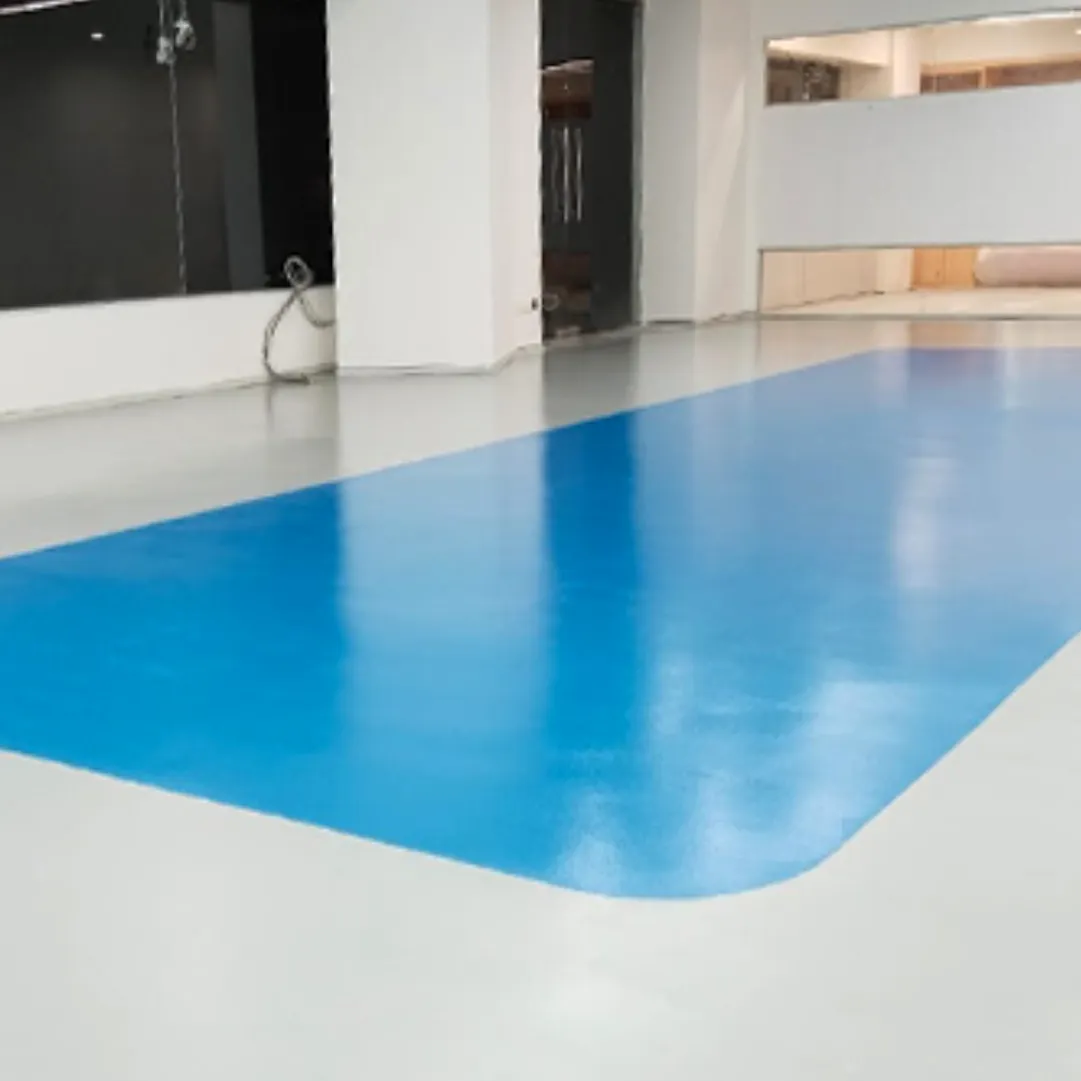
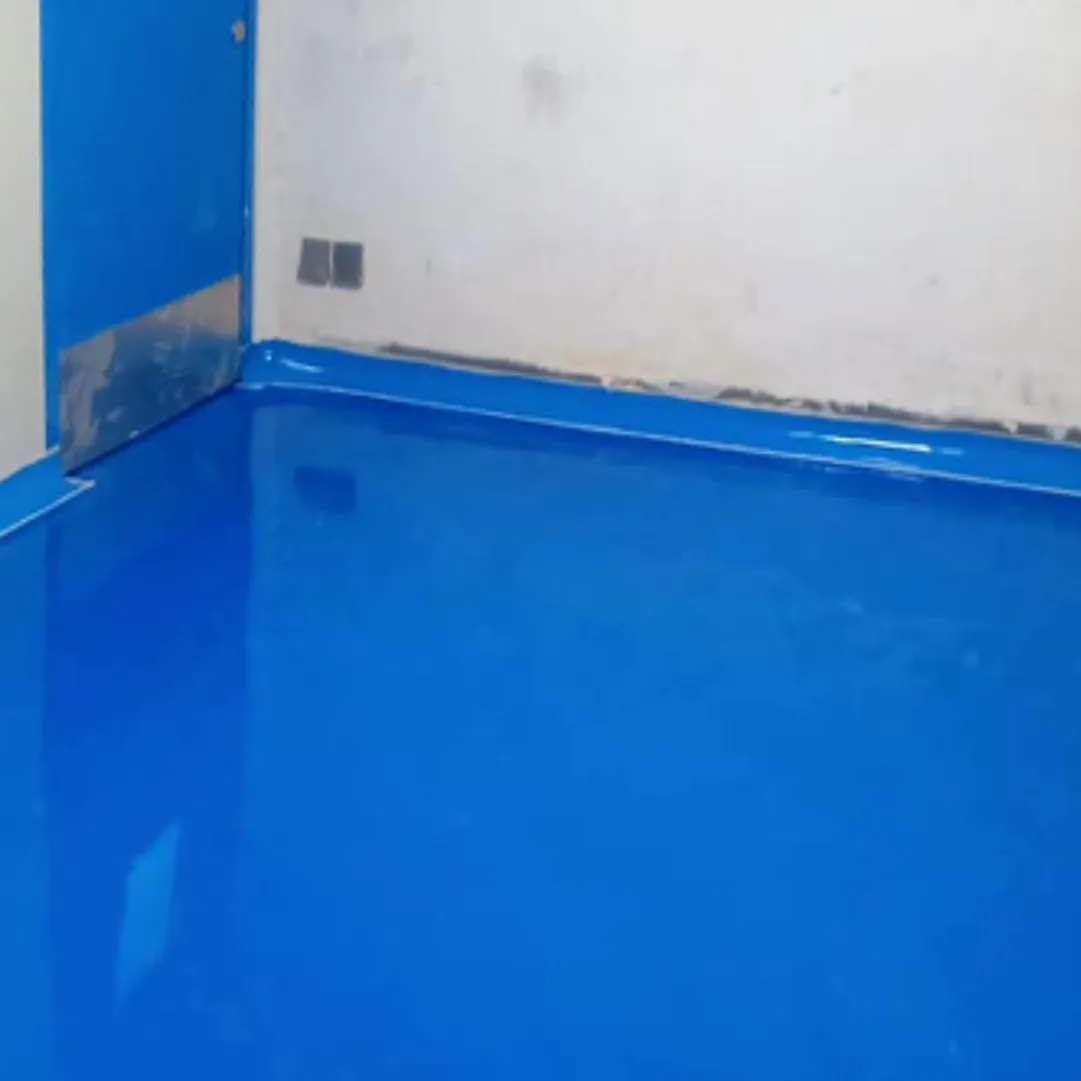


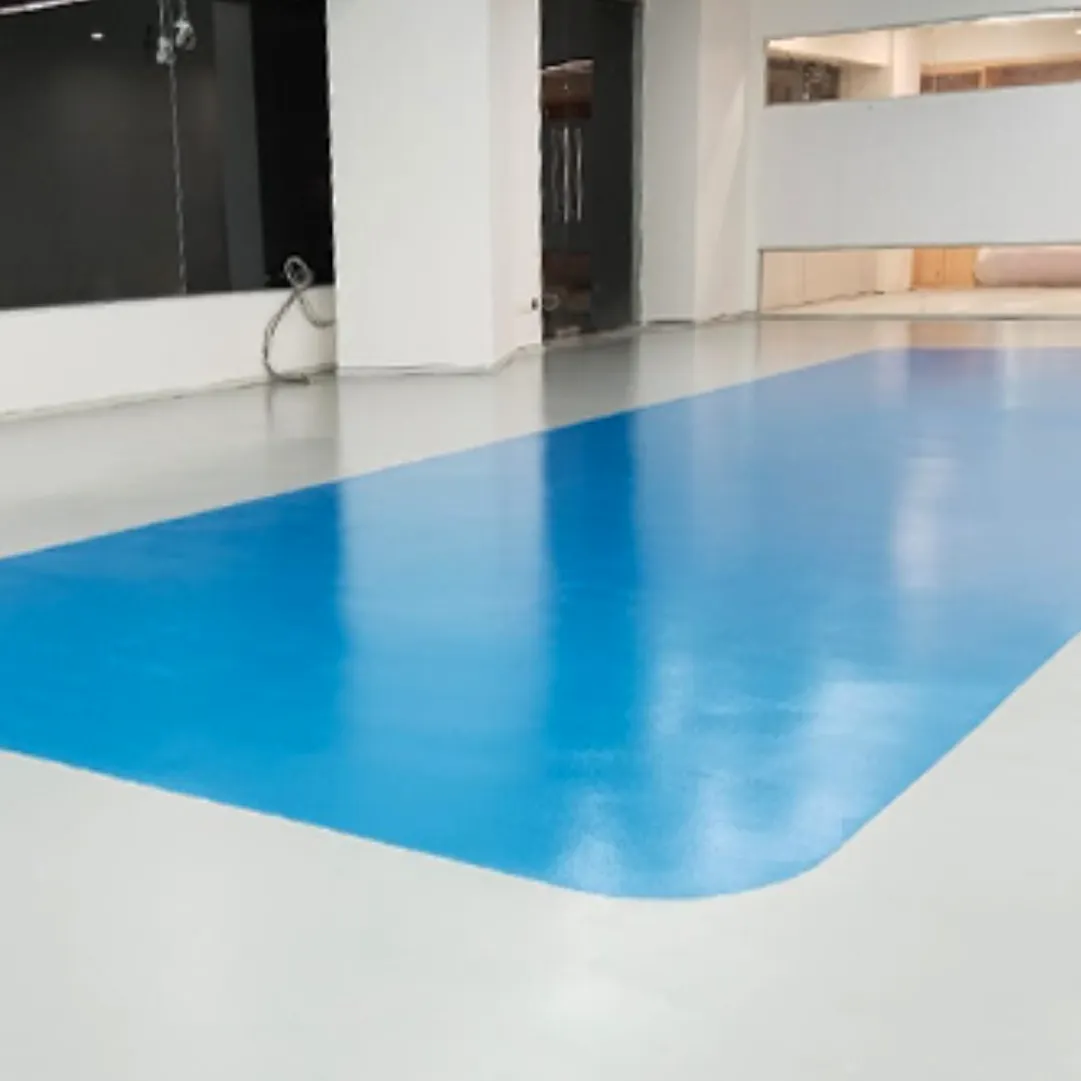
ESD flooring is useful for controlling static electricity, especially in cases where the electronic parts are very sensitive. ESD flooring is used in such places as electronics assembly plants, laboratories, pharmaceutical industries, and clean rooms.
Anti-static flooring is basically any floor covering that minimizes static electricity. ESD flooring refers to floor coverings that meet specific criteria with regard to electrostatic discharge protection. The electrical performance of the ESD flooring must be tested and documented.
Not all ESD flooring systems will use the same method of grounding. Some ESD flooring will need copper grid or copper tape, but other ESD flooring will not use it.
It may be a good choice, provided that the system satisfies all the hygiene, cleaning, chemical resistance, and environmental requirements. The specifications of the product must be considered before installation.
The following are some of the determinants of cost; material, electrical properties, thickness, surface preparation, grounding, size and testing specifications. The most accurate means of determining cost is by developing a quotation based on site conditions.
Sometimes, it may be necessary to check that the floor meets the required level of performance. Testing frequency must be determined by the standard and documentation.
What Is ESD Flooring and How Does It Work?
ESD flooring is a special flooring that is designed to aid in the management of the accumulation and release of static electricity. When installed in a proper manner with the required grounding system, it enables the electrical charges to dissipate via a predetermined pathway.
On the contrary to typical flooring, ESD flooring is chosen based on the electrical performance needs. Systems can either be conductive or static dissipative depending on the application.
Common benefits include:
- Less risk of uncontrolled static discharge
- Shielding of sensitive electronic parts
- Stable-controlled work environment support
- Hard-wearing surfaces to be used in appropriate industries
- Fewer maintenance problems when an appropriate finish is used
The performance depends on the entire flooring system, quality of the installation, footwear, grounding and maintenance.
ESD Flooring and Anti-Static Flooring Applications
ESD flooring and anti-static flooring are applied in locations where there is a need to handle static electricity. These terms are used interchangeably; however, before picking a product, the necessary electrical performance must be verified.
Common uses are electronics assembly, pharmaceutical assembly, laboratories, clean manufacturing zone and selected industrial work areas.
An appropriate flooring system must be evaluated on:
- Electrical resistance and charge-dissipation requirements
- Adhesiveness with the substrate concrete in place.
- Exposure to and cleaning processes
- Movement of equipment and anticipated traffic
- Grounding provisions and continual testing
The selection of a system depending on real working conditions assists in preventing inappropriate specifications and promotes reliable long term operation.
ESD Epoxy Flooring and Anti-Static Epoxy Flooring
ESD epoxy flooring is a resin based floor system, which is used to achieve the necessary electrostatic-control requirements. When it is installed with appropriate conductive elements and grounding facilities, it can offer a durable surface to the appropriate industrial surroundings.
Anti-static epoxy flooring can be used to refer to manufacturing facilities, labs, electronic plant and other areas that need to have controlled static performance.
Potential features include:
- A smooth or low-key surface
- Lack of resistance to be worn in proper traffic conditions
- Various colours and finishes
- Easier routine cleaning with an appropriate system
- Electrical performance that suits the desired purpose
All epoxy floors are not ESD-safe. The entire system should be compatible with the necessary electrical requirements and be checked once installed.
Conductive vs Dissipative Flooring
Conductive vs dissipative flooring are two different methods of dealing with electrical charge. The appropriate selection will be based on the sensitivity of the equipment, the work procedure and the electrical-control needs of the facility.
|
Feature |
Conductive flooring |
Static dissipative flooring |
|
Electrical behaviour |
Provides a relatively low-resistance path |
Allows charge to dissipate in a controlled manner |
|
Typical selection factor |
Applications requiring conductive performance |
Applications requiring controlled charge dissipation |
|
System design |
Requires compatible grounding provisions |
Requires suitable electrical performance and grounding |
|
Best choice |
Based on process and technical specifications |
Based on process and technical specifications |
Name is not a criterion to be used to choose either option. Verify resistance requirements, safety issues and standards to use with a qualified flooring specialist.
Conductive Epoxy Flooring and Static Dissipative Flooring
The conductive epoxy flooring involves a specially designed resin system and compatible conductive components to deliver the intended electrical conduction. It can be applicable to special industries where the electrical resistance is to be low.
The design of the static dissipative flooring is such that it will enable the flow of electrical charge in a regulated fashion. It is frequently used in electronics assembly, testing facilities and other operations where a static can cause an issue.
The selection procedure should take into consideration:
- Required resistance range
- Design of grounding and earthing.
- Type of equipment and work performed
- Washing of chemicals and care techniques
- Relevant electrical and workplace safety standards
Electrical testing is significant to ensure that the installed floor is performing to the specifications of the project.
ESD Flooring Copper Grid
ESD flooring copper grid is a network of conductors that is laid under or within the flooring system that is compatible to assist in providing a designed route of electrical charge flow to the grounding connection.
The copper grid planning is based on the chosen product, material, room planning and grounding. Proper installation and connection is needed since a grid would not ensure good ESD protection.
An average installation can include:
- Combining and measuring the concrete substrate
- Placing the copper tape or grid structure as indicated
- Linking the system to the acceptable grounding point
- Installation of compatible ESD flooring layers and primer
- Electrical testing post-installation
The ultimate design must be in line with instructions of the flooring manufacturer and the electrical requirements of the project.
ESD Epoxy Flooring for Pharma
Pharma ES epoxy flooring could be applicable in the production and packaging of pharmaceutical goods as well as technical sections that need to be controlled with regard to statical conditions. The flooring should also be in line with the cleaning, chemical resistance and hygiene requirements of the facility.
Important considerations include:
- An apt, smooth surface to clean on a daily basis
- Cleaning compatibility with process chemical
- Appropriate electrical resistance
- Appropriate slip resistance to the workplace
- Fit with the cleanness criteria of the facility
ESD flooring does not necessarily render a space to meet pharmaceutical regulations. The entire design of the facility, materials, processes and quality controls should comply with relevant requirements.
ESD Flooring for Electronics Industry
The electronics industry ESD flooring combats the conduction of the electrostatic discharge around sensitive components, circuit boards and electronic assembly equipment.
Its potential uses are electronics production, testing components, assembly production, repair shops and technical laboratories.
In these areas, the flooring specification must take into consideration:
- Sensitivity of electronic components
- Required electrical resistance
- Compatible footwear and grounding of personnel
- Grounding of workstations and other ESD control measures
- Regular testing and maintenance
Flooring is not the only component of a good ESD-control program. Effective installation, grounding and personnel practices, as well as periodic verification of the results, are critical to reliable outcomes.
ESD Flooring Installation Service
An expert installation of ESD flooring begins with the knowledge of the location and the electrical function demanded. To obtain the given results, proper surface preparation and compatibility with systems are required.
An average installation process involves:
- Site inspection: Examine the concrete, moisture, cracks, joints and working conditions.
- Surface treatment: Wipe down the substrate and mechanically treat it.
- Repairs and priming: Repair flaws and use compatible primers.
- Conductive elements: Install copper tape or other required elements.
- Floor use: Selecting the ESD coating or flooring system and applying it to the floor.
- Testing and handover: Check electrical functions and give appropriate maintenance advice.
The curing time and access control are based on the conditions of the product and site.
Choosing an ESD Flooring Contractor and Applicator
It is also important to hire an experienced ESD flooring contractor since the performance of electrical use is not solely related to the coating on the surface. The contractor ought to be aware of the entire flooring system, grounding and testing.
In assessing an ESD flooring applicator, inquire about:
- Prior experience of such industrial projects
- Preparation and moisture testing of concrete
- Technical data on products and electrical resistance values
- Copper grid and grounding, where necessary
- After sales testing and maintenance advice
CoatEXX Industrial Solutions can talk about your project needs and assist in determining what information is required to evaluate an appropriate flooring system.
Anti-Static Epoxy Flooring Coating
Antistatic epoxy floor is a floor coating that is employed when it is necessary to control the amount of static that accumulates. It can be adapted to specific production zones, laboratories, electronics workstations and industrial plants.
To determine a coating, first, it is important to consider a thin coating or thicker flooring system that suits the substrate and anticipated traffic. verify electrical resistance, chemical compatibility, grounding and cleaning.
An ordinary epoxy coating must not be thought of as an ESD protective coating unless its specifications reflect the necessary performance.
Anti-Static Flooring Price and Price per Sq Ft
Antistatic flooring is based on the choice of system, floor condition, project size and the electrical performance needed. It is not possible to calculate the anti-static flooring rate per sq ft based on floor area.
|
Cost factor |
How it affects the estimate |
|
Floor area |
Determines material quantities and work scale |
|
Substrate condition |
Repairs and preparation can add costs |
|
Flooring system |
Coating and multi-layer systems have different requirements |
|
Copper grid and grounding |
Design and installation affect the total |
|
Electrical testing |
Required verification influences project scope |
|
Site conditions |
Access, operating schedules and curing time affect planning |
A site-specific evaluation can be used to determine a realistic budget and prevent using quotations that involve various materials or services.
ESD Flooring Services Across Goa
CoatEXX Industrial Solutions is able to negotiate ESD and anti-static flooring of the industrial and commercial projects in Panaji. The requirements of every facility are different and thus the proposed system needs to reflect the desired use, substrate status, electrical needs and project budget.
Either in setting up a new production field or in the modernization of an already used workspace, proper choice of products and professional installation could contribute to the stability of the static control.
Contact CoatEXX Industrial Solutions
Looking for dependable ESD flooring services in Goa? Call CoatEXX Industrial Solutions and discuss your project, research the correct ESD epoxy flooring materials and request them to offer a tailor-made quote.
Our group can assist you in discovering the essential technical specifics you need to examine in assessing a suitable flooring system in your facility. Site conditions, manufacturer specifications and the necessary electrical performance should be taken into account to provide final recommendations.
Get a site visit and a clear quotation from Coatexx Industrial Solutions.