- Home
- India
- Epoxy Flooring
- Floor Repair & Recoating
Industrial Floor Repair & Recoating Solutions in India
What Is Floor Repair & Recoating? Floor repair and recoating is a combination of repairing and recoating the old substrate with preparing a new one and applying it where necessary. Repair is used in the physical…
Repair Depth and Coating
Light Traffic Readiness
Solutions

CoatEXX Industrial Solutions offers industrial floor repair services to factories, warehouses, manufacturing facilities, workshops and commercial structures. Industrial floors may become cracked, have potholes, be damaged by coatings, and be uneven due to use of machinery, forklifts, chemicals and normal operations. Our industrial floor repair services solve these problems using appropriate repair materials and surface preparation techniques such as epoxy floor repair, concrete crack repair, floor pothole repair, expansion joint repair, and epoxy floor coating. Industrial floor repairs can be done using any technique depending on the state of the floor, extent of the damage and the requirement of the business.
We offer industrial floor repair services in India to help businesses repair their damaged concrete floors and deteriorated epoxy floors. The cracks that are small are filled with crack-filling compound, while those that are large require removal of loose concrete and repair with repair mortar. If there is cracked and worn-out epoxy coating on the floor, then either repairing of recoating of the floor might be required. While looking for the best Industrial Floor Repair Services in India, one needs to look at the following factors:
|
System |
Layers / Repair Method |
Typical Specification |
Best For |
|
Crack and surface repair |
Crack preparation + compatible repair compound + surface levelling, as required |
Repair depth depends on damage |
Localised cracks, chips and minor surface defects |
|
Epoxy floor recoating |
Mechanical surface preparation + compatible primer + epoxy topcoat |
Typically 400–500 µm for coating systems* |
Worn coatings, dust control and light-traffic industrial areas |
|
Self-levelling epoxy repair and recoating |
Surface preparation + patch repairs + primer + self-levelling epoxy layer |
Typically 2–3 mm for selected systems* |
Uneven or worn floors requiring a smoother finish |
|
Heavy-duty floor repair |
Removal of unsound material + epoxy mortar or suitable repair system + protective finish |
System-dependent |
Localised heavy wear, impact damage and damaged industrial floor sections |
- Repairs localised cracks, chips and damaged areas to improve floor condition.
- Proper preparation supports better bonding of the new coating.
- Helps prolong the service life of suitable existing flooring.
- Recoating seals suitable concrete surfaces and reduces surface dusting.
- Restores a finish that is simpler to clean and maintain.
- Helps avoid complete floor replacement when the damage is limited.
- Requires inspection to identify the cause and extent of floor damage.
- Persistent dampness must be addressed before recoating.
- Severe cracks, settlement or moving joints may require specialised repairs.
- Existing coatings, contaminants and loose material may need removal.
- Repaired or recoated areas may differ slightly from the existing floor.
- Repairs and curing may require temporary closure of the affected area.
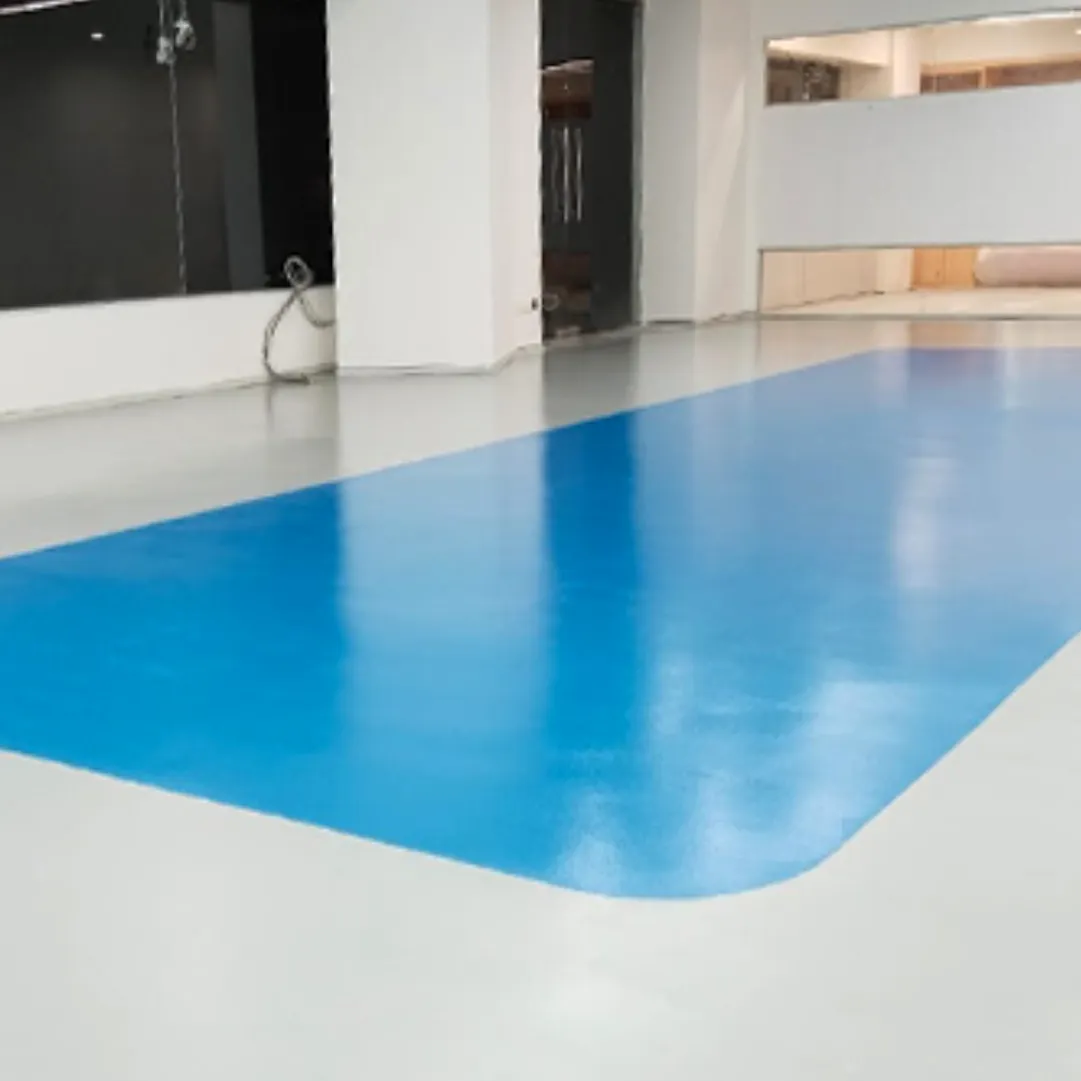
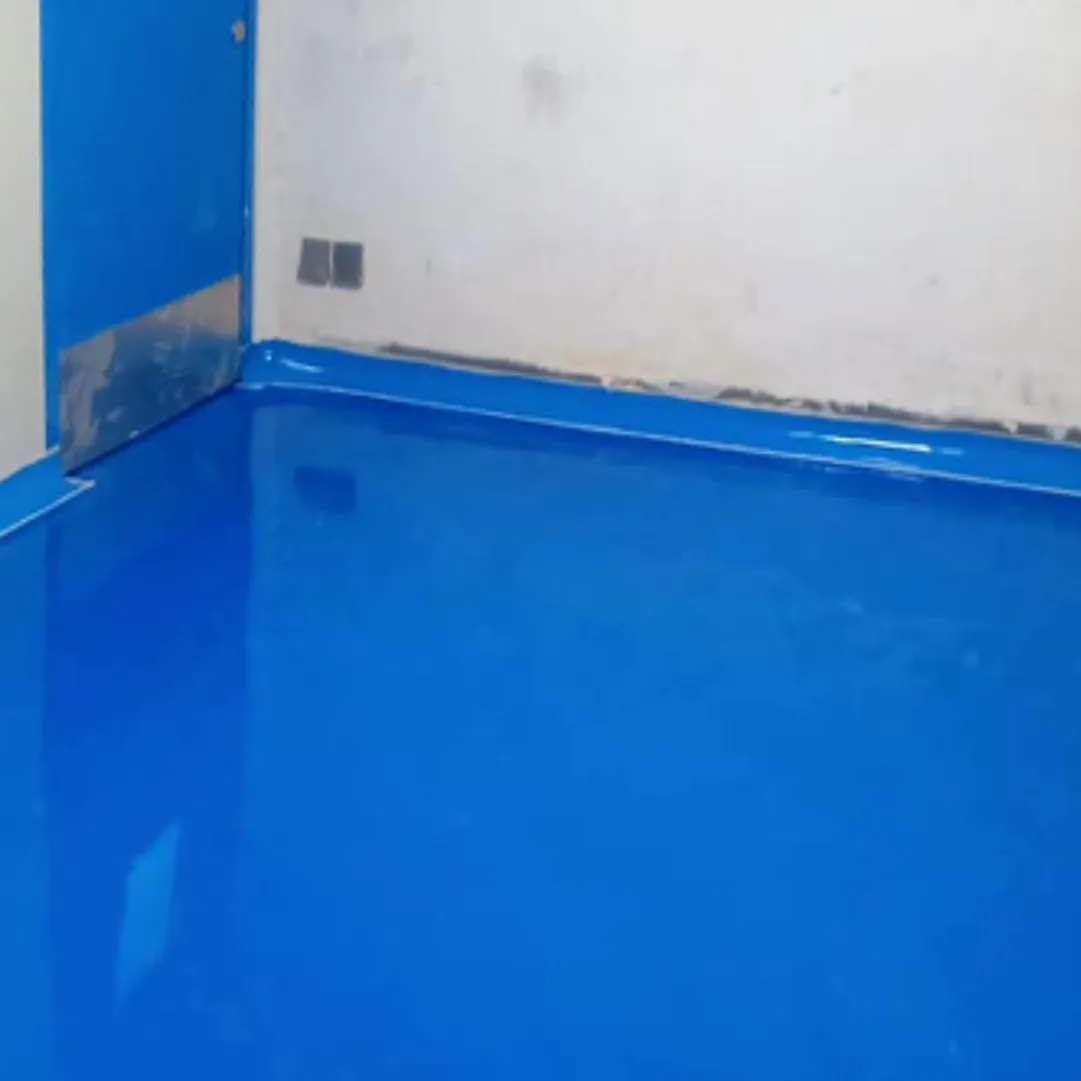
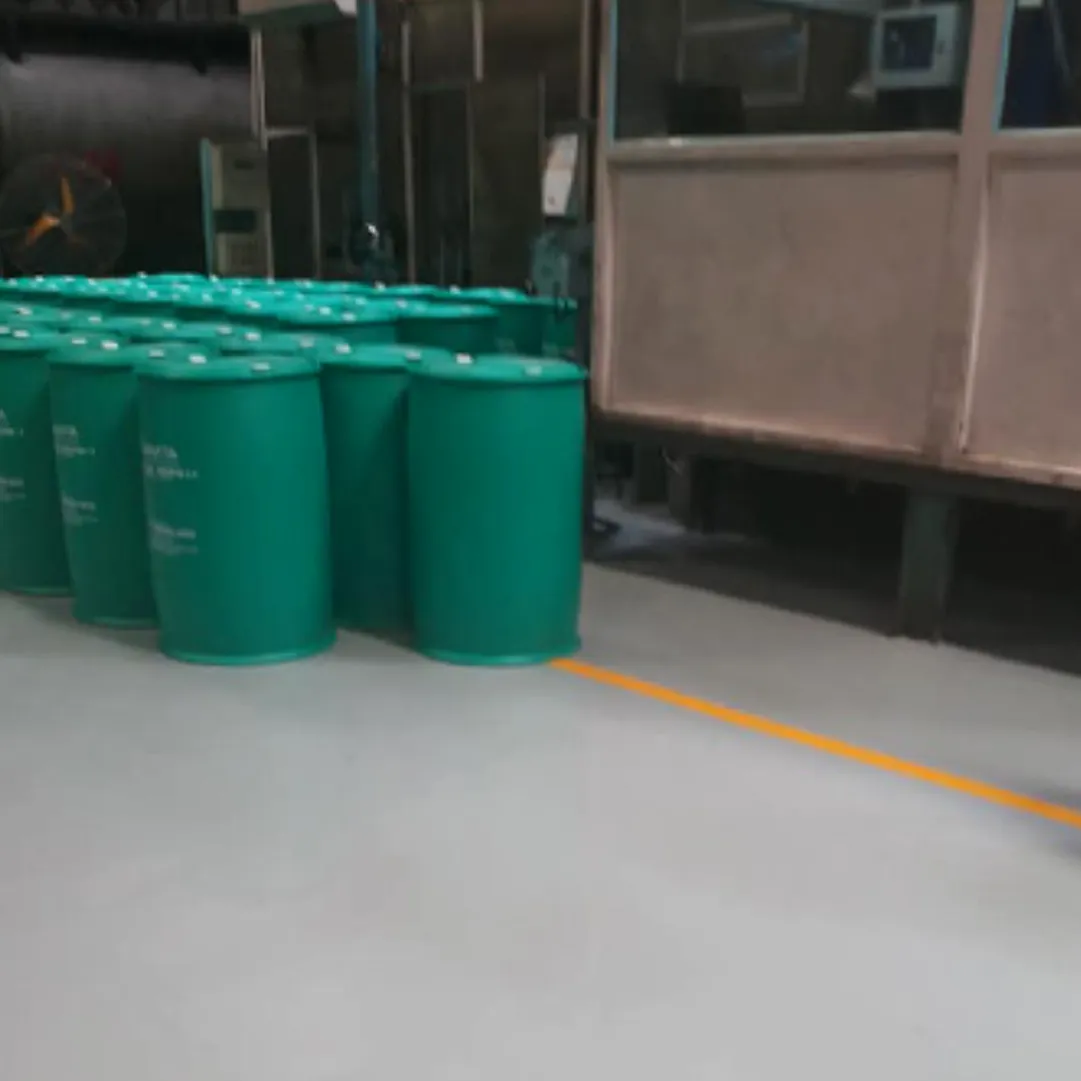


An epoxy floor can be recoated in many cases provided the underlying layer is well bonded and surface is good to prepare. The floor is normally swept and either mechanically abraded or otherwise as per the coating system. Any loose or peeling material should be cleaned up and issues of moisture or adhesion should be addressed before another coat is applied.
Examples are improper surface preparation, oil or dust contamination, moisture in the substrate, unsuitable surface profile, incompatible coating layers or use outside the specified conditions of the product. The coating should be checked to find the probable cause and then the coating can be repaired. Otherwise, the identical issue can be repeated with the new layer.
The overall strategy is to strip off loose coating and unsound material, inspect and prepare the substrate, mend the defect with a compatible material, and finally, to rebuild the coating once it has cured. The technique is based on the damage and available accumulation of floor; repeat failures need to be evaluated initially.
In cases of minor wear, it can be sufficient to prepare and recoat the piece as long as the coating is in good condition. The cracks, holes, or detached parts might require removal and concrete repair as the first step. Do not apply over loose epoxy; observe the instructions on preparation and curing of the system.
The work can involve the inspection, the elimination of weak material, crack treatment, pothole repair, joint repair, surface preparation, levelling, and protective recoating where necessary. Each floor does not require all the steps. The end scope must be the one that mirrors the substrate, extent of damage, working conditions as well as the desired finish.
It must report the locations of work, apparent defects, how it is prepared, the proposed repair and coating systems, its exclusions, required access, and the curing time, and any assumptions that will be updated once it is inspected. Floor photos, measurements, conditions of use and location restrictions are offered to enable the contractor make a more relevant estimate.
Industrial Floor Repair Explained
Industrial floor repair is a process that entails repair of worn-out concrete, repair of industrial floor coatings, and restoration of damaged floors as a result of continuous use. This is done according to the extent of damage, the floor material, and the level of traffic the surface experiences.
The issues associated with the floor include:
- Cracks on concrete floors
- Potholes and fractured concrete floors
- Deteriorated floor coatings such as peeling and scratches on epoxy
- Deteriorated expansion joints
- Worn out industrial floor coatings
- Irregular surfaces as a result of deterioration
The proper repair of the issues at an appropriate time will aid in preventing any additional damage to the surface. Nonetheless, the cause of the issue must also be taken into account to avoid repeated repair issues.
Epoxy Floor Repair
The epoxy floor repair technique is done in order to repair damages that occur on existing epoxy floors.The common types of damage are scratches, chips, peels, and wear and tear of the floor surfaces.
Prior to repairing, it is necessary to determine if the damage has occurred on just the coating or has spread to the concrete substrate below. The damaged areas are then stripped and the surface is prepared for the repair epoxy or coating application.
In situations where there are several places on the floor that have peeled out and lost their adhesion property, repair may not work on individual spots only.
Concrete Floor Repair Service
Concrete floor repair services are those that fix damaged concrete flooring in various structures such as factories, warehouses, and workshops, among other industrial buildings. Some of the fixes done include repairing cracked concrete, repairing of holes in the floor, repairing of broken edges, and preparing the damaged surface to be ready for floor coating.
It involves removing any loose concrete, cleaning the damaged area, and fixing using appropriate repair materials. The repair materials may include cement, resins, or even mortars, depending on the extent of damage to the concrete.
The choice of repair material is dependent on the degree of damage, load, condition of the floor, and curing period among other things.
Concrete Floor Crack Repair
Concrete floor crack repair assists in the remediation of zones where cracking affects the state of the floor. The cracking can be caused by shrinkage, loading, temperature changes, settlement, and movement of the concrete.
The crack repair technique used will depend on the kind of crack. For example, a stable crack can be filled with a suitable repair material whereas a moving crack may need a flexible repair system. The area to be repaired needs to be cleaned first of any dust, loose materials, and other contaminants.
In cases where there is the likelihood that the crack is due to structural movement, it is advisable to consult a specialist before any surface repair is done.
Floor Pothole Repair
Floor pothole repair are necessary whenever concrete becomes chipped off resulting into depressions or holes in the floor. Floor potholes may form as a result of impact, forklift movement, weight, moisture or deterioration of the concrete itself.
The defects formed could pose some challenge to the movement of forklifts and pallet trucks and they may also gather dirt and debris, making it hard to clean.
This kind of repair process includes removal of broken concrete, preparation of the defective portion, use of the right repair materials and final surfacing of the repaired part.
Epoxy Repair Mortar
The epoxy repair mortar is applied in the selective repairing of concrete where a resin type of product is required. The application of epoxy mortar can be done in cases where the concrete surfaces have patches, cracks, and sections that require hard-surfaced repairs.
Prior to applying the epoxy mortar, the preparation of the concrete surface is very important. Epoxy mortar is to be mixed and applied following the instructions provided by the manufacturer. The applicability of the epoxy mortar will depend on the depth of the repair, condition of the floor, temperatures, chemical exposure, and load.
Epoxy repair mortar is not appropriate for all types of repairs.
Expansion Joint Filling
The process of expansion joint filling aids in ensuring that joints between different parts of the concrete floor surface are maintained. The joints allow for movements due to change in temperatures and shrinking, among other factors. Over the period of time, the joint filler can develop cracks or lose their place, and the edges of the concrete around them get damaged.
Repair work can entail removal of the existing joint filler, cleaning of the joints, repairs on the damaged edges, and placing of the joint filler or sealants. The material used should be able to meet the specifications of the joint's movements and traffic.
Epoxy Floor Recoating and Old Floor Refurbishment
To recoat an epoxy floor coating involves recoating or placing a new coating layer over the epoxy floor that has been coated before. The coating layer can be recoated in situations where the floor is either scratched, dull or just worn out while the coating layer is still intact.
The services offered by the epoxy floor recoating includes checking, cleaning, preparation of the coating, repair of the damages and placing of a new coating layer.It is necessary to prepare the surface in order to ensure adhesion of the new coating.
In case if the epoxy floor coating is peeling off and the concrete surface is considerably damaged, it is necessary to remove the peeling coating and then repair the floor.
Old Epoxy Floor Refurbishment
Old epoxy floor refurbishment is aimed at rejuvenation of the damaged or deteriorated floors. In case of an old epoxy floor refurbishment, depending on the state of the floor, it may involve repairing, cracking, joint sealing, surface preparation, and application of a new coating.
When most of the epoxy coating is in good condition, the recoating of the surface is possible. In case when a considerable area of the coating is loose or damaged, removal and repair are needed.
Can You Recoat an Epoxy Floor?
Yes, can you recoat an epoxy floor? This is a frequently asked question, and the response to this would be that, yes, it is usually possible to apply a new epoxy coating on an existing epoxy floor.Everything depends on the suitability of the surface.
It should be clean, properly adhered to, and compatible with the new product.Any loose coatings, cracks, and damage must be fixed before putting in the new coating. If the old coating fails to bond with the surface, then it has to be completely stripped off instead.
Step-by-Step Industrial Floor Repair Process
A repair process makes it sure that the chosen material is suitable for the floor and the damages being done to it.
Step 1: Inspection of the floor
While examining the road, we find cracks, potholes, deteriorated joints, loose concrete, peeling paint and traffic loads.
Step 2: Choice of repair process
The repair process is selected depending on the damage type. This might include crack repair of the concrete, epoxy repair mortar, pothole repairs, joint repairs, and epoxy coating.
Step 3: Removal of the damaged material
The process includes removal of loose concrete and deteriorated joint fillers.
Step 4: Surface preparation
Contaminants such as dust, grease, oil, etc., are removed from the surface. The surface is then prepared in accordance with the specifications of the selected repair product.
Step 5: Application of repair product
The repair product is mixed and applied as per manufacturer’s instructions. Cracks, potholes, joints, and deteriorated coated areas are dealt with using the right method.
Step 6: Final coating of the floor
If necessary, the repaired area is made even and prepared for a suitable floor coating system. Recoating is started when the repair product is ready for the next step.
Step 7: Cure and inspect
The repair site is allowed to cure as per the specified duration. The last step in the process involves the inspection of the surface condition.
Factors Affecting Industrial Floor Repair Costs
The repair costs of industrial floors depend on the nature of the damage, area under repair, chosen materials, and preparatory effort required.
The important elements that affect repair costs are:
- Area size and depth of damage
- Nature of the concrete or epoxy repair
- Damage removal
- Surface preparation
- Cracks and joint repair
- Accessibility of the site and curing time
An inspection of the site determines the repair requirement and offers an estimation of costs involved.
Industrial Floor Repairing Solutions by CoatEXX Industrial Solutions
CoatEXX Industrial Solutions offers industrial floor repair and restoration services that may include epoxy floor repair, concrete floor crack repair, floor pothole repair, epoxy repair mortar placement, expansion joint filling, and epoxy floor recoating for factories, warehouses, workshops, and commercial buildings.
Selection of the correct repair technique is determined by the condition of the floor and the intended use of the area. Proper preparation, use of proper materials, and sufficient curing will help bring back the floor to its required state.
Contact CoatEXX Industrial Solutions Today!
Are cracks, holes, worn-out joints, or cracked epoxy coating ruining your industrial flooring? Then you need to contact CoatEXX Industrial Solutions serving in India, including Maharashtra, Goa, Gujarat, Madhya Pradesh, Delhi, Haryana. Provide us information regarding the area of concern, type of floor and working conditions for a solution to your problems.
Get a site visit and a clear quotation from Coatexx Industrial Solutions.