Industrial Industrial Painting Solutions in Jodhpur
What Are Industrial Painting Services? Industrial painting services entail surface preparation as well as coating surfaces of factories, warehouses, manufacturing plants, commercial buildings and other industrial…
Coating Thickness
Drying and Recoating Time
Coating Options

A strong and reliable paint protection is essential to industrial buildings to cope with everyday use, dust, moisture, and wear and tear. Coartexx Industrial Solutions offers top-notch Industrial Painting Services in Jodhpur and is a leading professional painting company for factories, warehouses, manufacturing units, workshops, and commercial industrial units. Our team is knowledgeable enough to know that each of the facilities may require different types of paints based on the surface condition, working environment, and type of industrial activity.
Coartexx Industrial Solutions is the highly qualified industrial painting service in Jodhpur. The entire surface preparation, application, and finishing process is handled with great care so that a shiny and beautiful surface is created, which will last for a long time. We can paint in the factory, paint walls, paint floors, paint steel structures, and paint all sorts of industrial surfaces with protective coatings.
From repainting a current facility to painting work for a new facility, we plan the work according to your site needs. Give us a call for industrial painting services customized to your project in Jodhpur.
|
System |
Layers |
Typical Specification |
Best For |
|
Industrial epoxy painting |
Surface preparation + compatible primer + epoxy topcoat |
System-dependent dry film thickness |
Industrial floors, fabricated steel and selected concrete surfaces |
|
PU protective painting |
Prepared substrate + compatible primer + polyurethane topcoat |
System-dependent dry film thickness |
Surfaces requiring weathering resistance and a durable finish |
|
Anti-corrosion metal painting |
Rust and contaminant removal + anti-corrosion primer + protective topcoat |
Based on exposure and coating system |
Structural steel, machinery frames and metal fabrication |
|
Concrete surface painting |
Concrete preparation + compatible sealer or primer + protective coating |
System-dependent coating thickness |
Industrial walls, utility areas and suitable concrete surfaces |
- Protects suitable surfaces against corrosion, wear and environmental exposure.
- Helps protect metal surfaces from rust when the appropriate coating system is applied.
- Provides resistance to selected chemicals, depending on the coating formulation.
- Creates a uniform finish across industrial structures and equipment.
- Supports routine cleaning and maintenance of coated surfaces.
- Helps extend the service life of properly prepared and coated surfaces.
- Requires the removal of rust, loose paint, oil and other contaminants.
- Temperature and humidity can affect application and curing.
- Coated surfaces must remain protected until the specified cure is achieved.
- Existing coatings and substrates must be compatible with the selected paint system.
- Scratches, impacts and abrasion can damage the protective coating.
- Exposed or heavily used surfaces may require inspection, touch-ups and recoating.
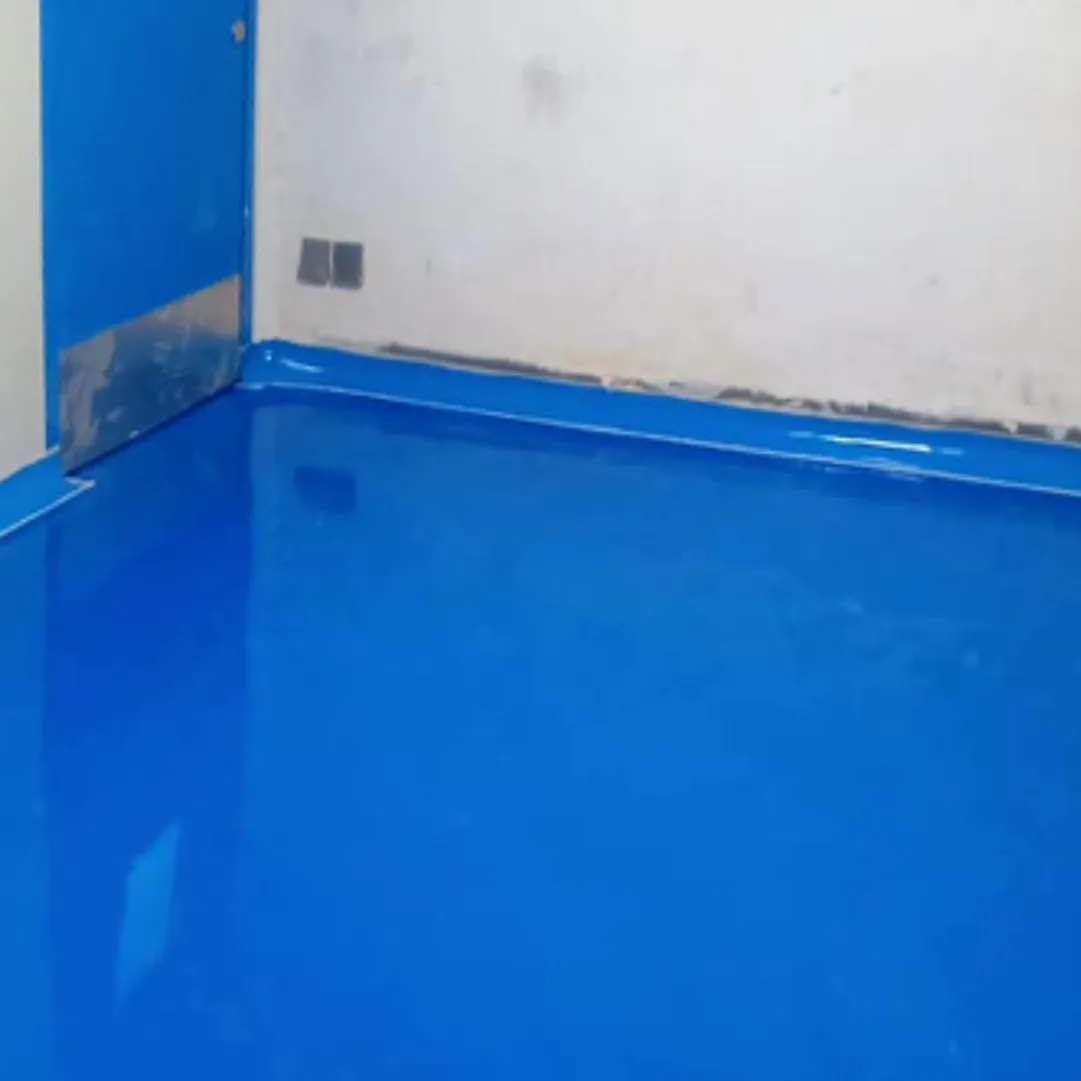
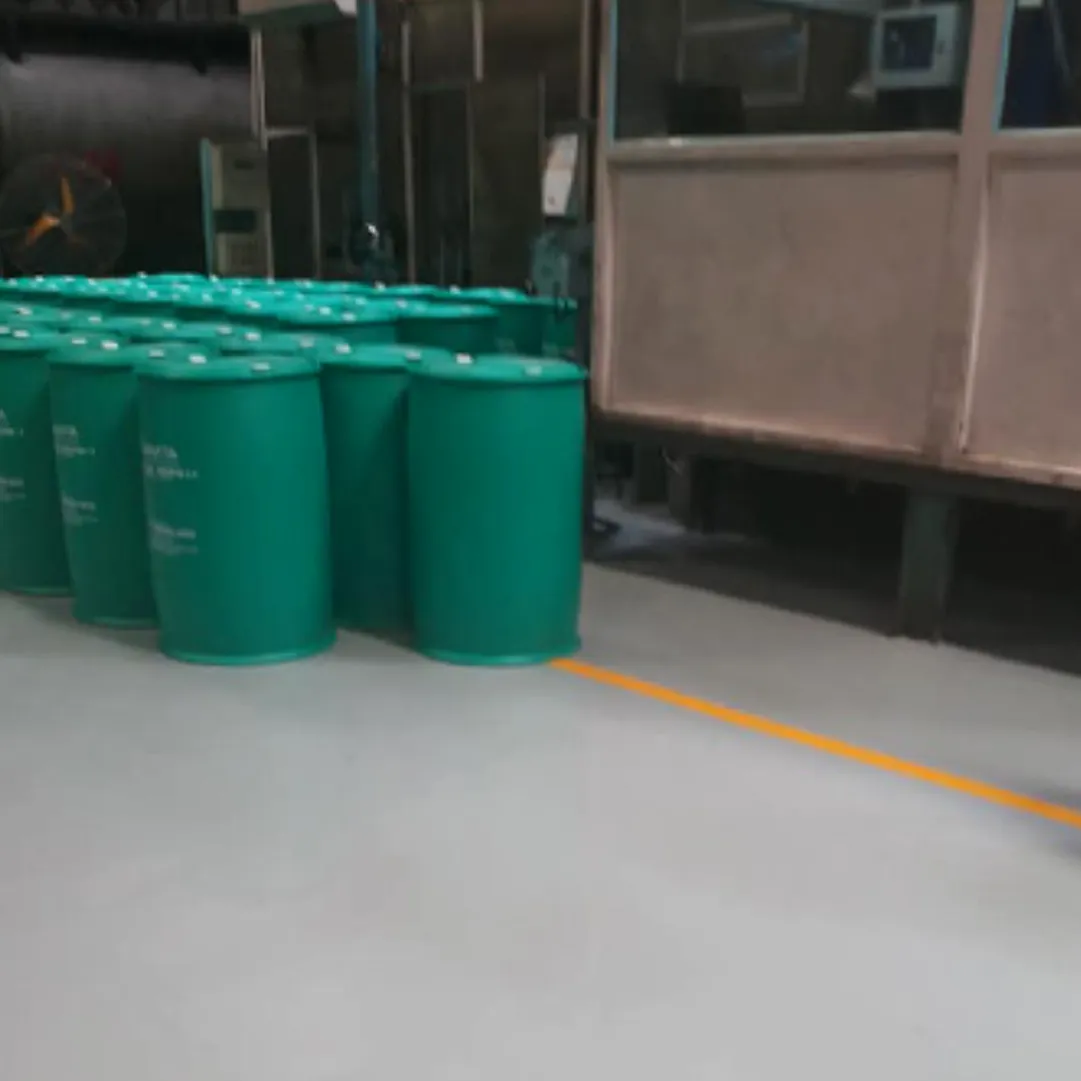


Industrial painting is a service that involves preparation and coating of factory walls, steel structures, machine exteriors, and surfaces of warehouses and other industrial assets to increase their surface protection, durability and appearance.
Industrial painting can be used on structural steel, concrete walls, ceilings and metal surfaces, factory sheds, warehouse interiors and exteriors and any suitable substrate as per the requirements of the project.
The decision is made depending on the surface condition and exposure to water or chemicals, operating temperature requirements, mechanical wear and maintenance requirements. Site evaluation helps in determining the form of coating system to be utilized and also in the preparation of the coating system.
The price is determined by the overall surface area, the current condition of the surface, preparation, as well as the coating materials, the number of coats, accessibility of the sites, labour needs and project time. A site visit will be able to determine a more precise quote.
Surface preparation removes rust, dust, grease, flaking paint and any other form of impurities that may interfere with the coating adhesion. When it is well prepared, there will be a smoother finish and the possibility of peeling or loss of the coating will be removed before.
The time when the coating is repainted is determined by the coating system used, the exposure of the surface to the environment, the condition of the surface and the manner in which the surface is maintained. Peeling, corrosion, cracking, or any other deterioration can be detected through regular inspections that can be used to determine when maintenance or recoating will be necessary.
About Industrial Painting Service in Jodhpur
If a factory or industrial building requires industrial painting, it is an important aspect of its maintenance. Unlike a home painting project, industrial painting also needs to focus on the protection of surfaces, the durability of the paint, and the ability to work in harsh environments. Dust and humidity attacks, oil stains, chemicals, temperature changes, and foot and machine traffic can be a problem for industrial surfaces.
If you plan it correctly, painting can help to protect the walls and floors of metal buildings, machinery enclosures, sheds, or factory buildings from deterioration. Prior to work commencing, we take into account the condition of the existing surface, the desired finish, the compatibility of paint to the surface and the type of use.
Key Features of Industrial Painting Services
A fresh paint coat is not enough when it comes to industrial painting. The result depends on both the types of product preparation and product selection, as well as the application method.
1. Proper Surface Preparation
Surfaces should be dusted and cleaned from rust, grease, and loose paint before painting. Scraping, sanding, or mechanical cleaning may be needed to ensure that the paint is anchored in place and minimize peeling.
2. To Develop the Creative Designs and Finishes
There are a suitable variety of colors and finishes that can be used to improve the appearance of industrial buildings. This will depend on the type of facility required, functional requirements, and how the facility will look.
3. Epoxy Wall Coating
Epoxy wall coating may be suitable in production spaces, laboratories, workshops, and other utility rooms requiring a smooth, easy-to-clean, durable surface. The type of coating varies with the wall condition and chemicals to which the wall has been exposed and cleaned.
4. Painting Sheds and Steel Structures
In the case of steel columns, beams, trusses, and supports for the roofing of factory sheds, specific protection must be done. We use appropriate primers and topcoats depending on the state of the metal and the specifications of the project to prevent any corrosion and to keep the project looking neat.
5. Flexible Project Planning
Sometimes, industrial painting projects require a lot of time planning to ensure that they do not disrupt the regular activities of the company. The work is predetermined on the basis of site access, production timings, drying time, ventilation, and safety.
6. Creative and Analytical Thinking
Proper application techniques result in a more uniform application with no marks, patching, or color change. The final result will be contingent on the surface preparation, type of coating, application, and craftsmanship.
Industrial Painting Process
A system of industrial painting helps to ensure that the painting is of good quality throughout the project. While some variation in surface and coating system can cause the steps to vary, the majority of surface coating projects proceed in a similar fashion.
- Site inspection and assessment: The first step is to have a site inspection and learn about the scope of work. The team inspects wall conditions, metal surfaces and existing coatings, damaged areas, and access. This can be used to determine preparation and materials required.
- Surface preparation and cleaning: All surfaces are cleaned properly of oil, rust, loose paint, dirt, and dust before painting is applied. Cracks, broken/scratched surfaces in the plaster, or surface imperfections, may be problems and should be addressed. Depending on the amount of corrosion, there may be a need for further preparation of the metal surfaces.
- Application of primer (if necessary): If a coating system is used, a suitable primer is applied if needed. The purpose of the primers is to enhance adhesion to some surfaces and to give the coating some extra protection. The primer used should be compatible with the subbed and topside materials.
- Paint or coating application: Using an appropriate application technique, such as a brush, roller, or spray, paint or coating is applied to a selected paint. Based on surface size, desired surface finish, site conditions, and product instructions.
- Drying and curing time: All the coats must be dried and/or cured according to the time given, prior to the next coat or normal use. This is particularly important with epoxy coats, which may require special application and curing procedures.
- Final inspection: After painting, surfaces are inspected to ensure surface cover, consistency of finish, visible defects, and other specified finishes.
. If any touch-ups have been identified, they are done before handing over.
By doing these things, painting performance is enhanced, and undesirable painting problems can be minimized.
Industries Served
Our industrial painting services can be provided to businesses in various industries. The requirements for each industry depend on the type of building, the working and maintenance schedule, and the industry itself.
Vehicle Manufacture and Production Units
The need for painting solutions for factories includes areas in the production, columns, external walls, steel structures, and internal walls. When dust, regular cleaning, and the normal industrial processes are a threat to the surfaces, coatings are used appropriately.
Manufacturers and Warehouses & Logistics Facilities
Large wall areas, loading areas, steel structures, and storage areas are frequently found in warehouses. These facilities can be enhanced with factory painting and protective coatings that not only enhance the facility's appearance but also provide easier-to-maintain surfaces.
Engineering & Fabrication Units
Fabrications or engineering workshops can contain enclosures for equipment, enclosures for fabrication machinery, workshops, and metal structures. Appropriate painting systems can help to prevent corrosion and wear-to-normal surfaces.
Units of Operation Involving the Manufacture and Sale of Automobiles and Auto Parts
For painting, the structural steel, the walls of workshops, the service areas, and the selected floors can be used at automotive production or component manufacturing plants. The selection of coatings should depend on the type of oils exposed, cleaning methods, and requirements.
Chemicals and Pharmaceutical & Food Processing Facilities
The cleanability, hygienic, and chemical resistance requirements for these facilities may differ. However, where appropriate and suitable for the operating and regulatory requirements of the facility, a suitable coating, such as a specific epoxy coating, can be used. Coatings need to be chosen to meet the use and standards required.
Construction of Commercial and Industrial Buildings
Industrial parks, maintenance buildings, utility rooms, and commercial industrial properties should also be periodically painted. Scheduled maintenance is used to keep these areas in good appearance and to allow them to be maintained before the deterioration becomes larger.
Applications of Industrial Painting
Industrial paint is applied to many applications and parts of buildings. The use of the application is dependent on the material, exposure to the environment, and performance that it is expected to achieve.
- Painting factory walls – Internal & external walls are painted to enhance the look and to safeguard appropriate surfaces against day-to-day wear and tear.
- Paint shed—support columns, metal parts, etc., to metal structural components, as appropriate, with appropriate paint systems.
- Steel structures: Priming and topcoating steel beams, frames, railings, and fabricated parts.
- Epoxy wall paint: Application of selected epoxy products in areas where a wall finish that will stand up to and be easy to clean is needed.
- Applying appropriate floor coatings in workshops, production areas, and certain places of storage, depending on the traffic and exposure conditions of the industrial floor.
- Machinery enclosures: Painting appropriate outside surfaces of equipment housings and protective covers (as allowed by the equipment manufacturer).
- Maintenance/utility rooms: Painting walls, metal components, and other elements to assist with regular maintenance of the facility.
- External industrial structures: Providing appropriate external building surfaces exposed to the elements, solar radiation, water, and environmental pollutants.
Epoxy Paint for Walls & Industrial Wall Coating
Cleaning, moisture, dust, and oil splashes can cause stains or damage to industrial walls. Epoxy paint for walls could be an alternative to ordinary paint in areas where there are requirements for the operation of the area.
When applied over an appropriate surface, epoxy coatings can give a hard and durable finish. They are typically added to the specifications of selected workshops, industrial utility areas, laboratories, and production environments to enhance the cleanability of the space.
Care must be taken when choosing an epoxy system because of the following: wall material, moisture condition, existing paint, exposure to chemicals, and desired finish. A special method of surface preparation or a specific primer may be necessary for some products. An application and curing must always be based on the manufacturer's instructions.
Self-Leveling Epoxy Flooring for Industrial Floors in Jodhpur
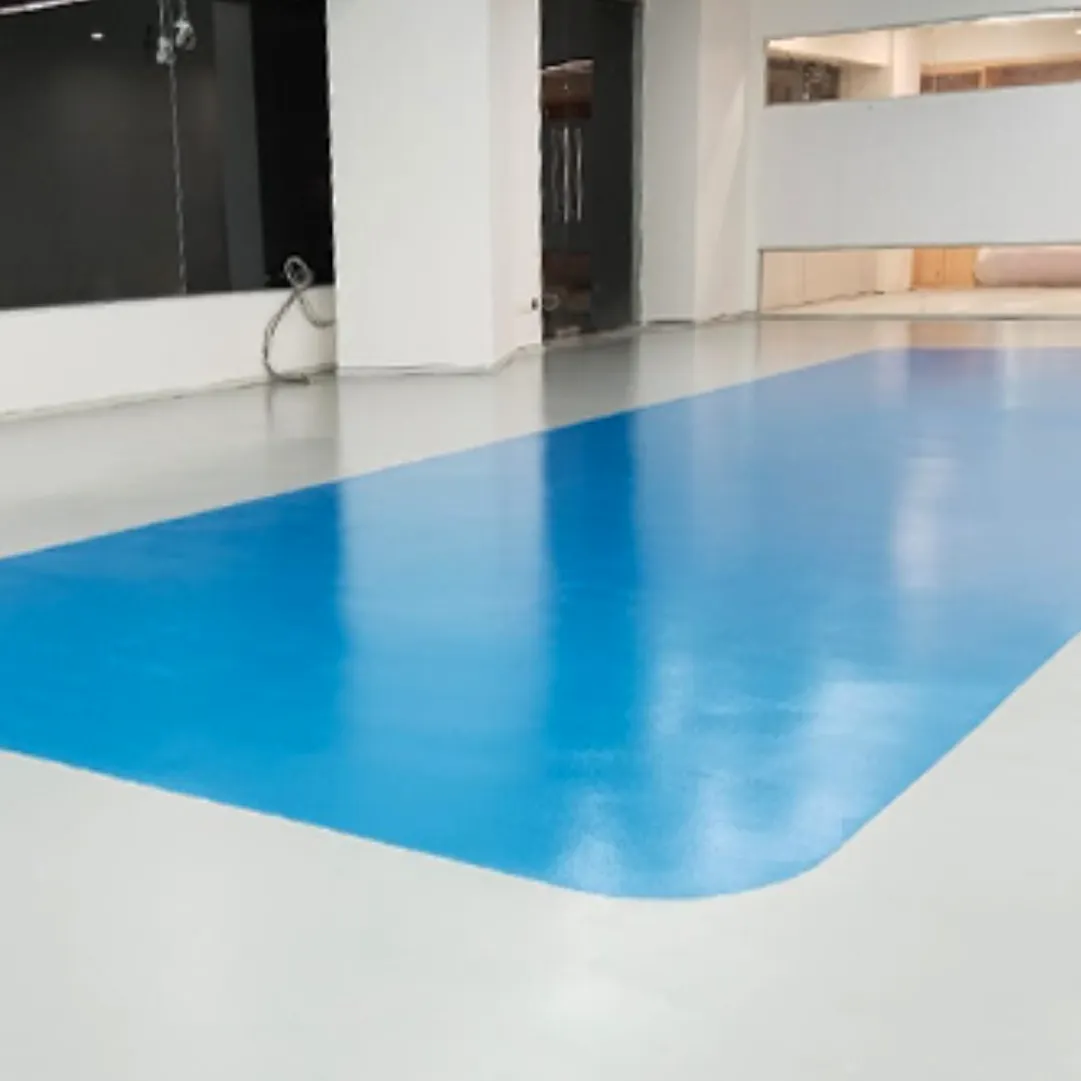
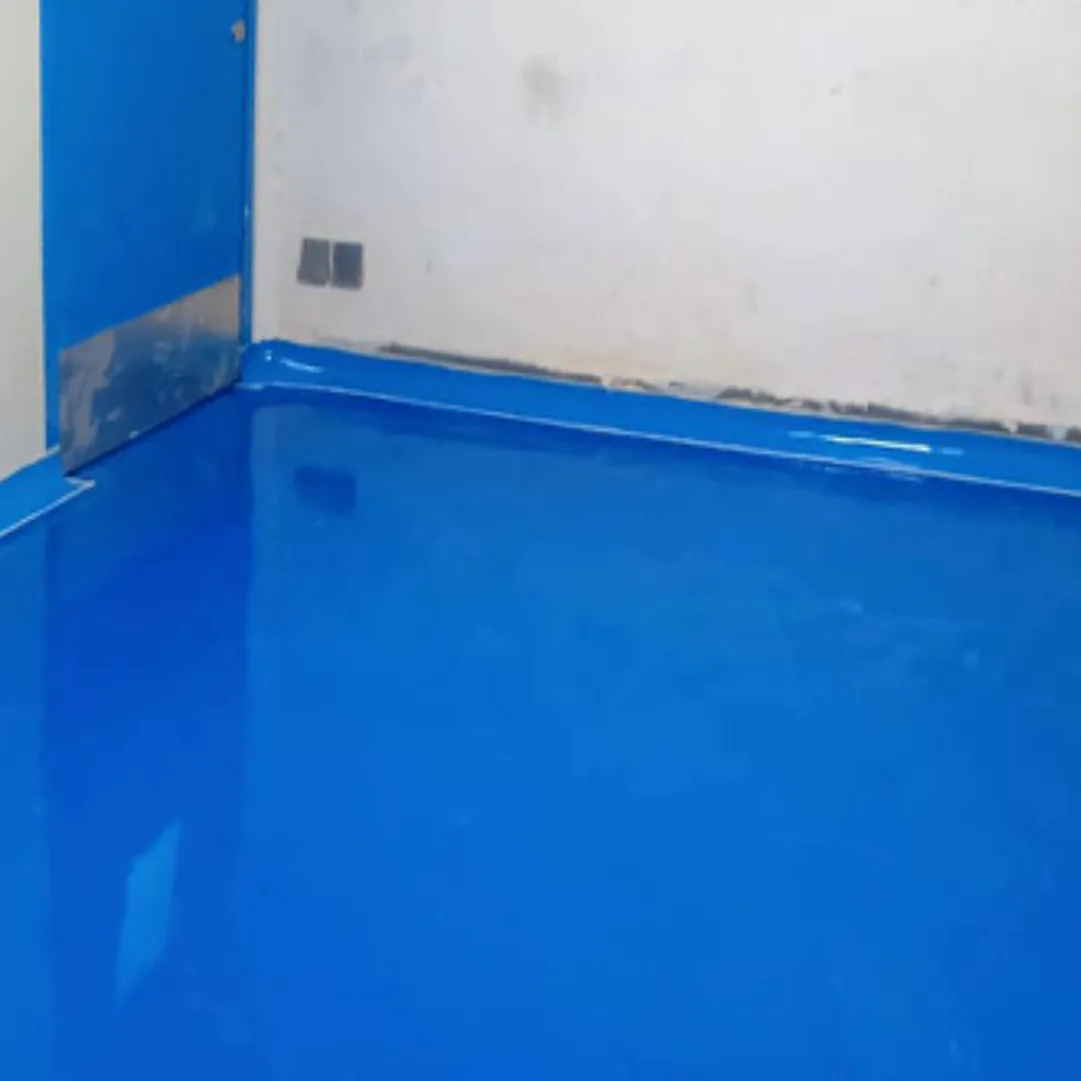
“Walls” is just half the picture.” Self-leveling epoxy flooring offers you a smooth and seamless floor surface that's easy to clean and lasts long in production areas, workshops, and storage areas, especially in areas of heavy foot traffic. A self-leveling epoxy floor is poured and will self-level to form a seamless epoxy floor without cracks, joints, and dust or oil collection. High-gloss epoxy flooring is also a popular choice for many clients due to the shine and light reflection that it offers, making it an ideal choice for brightly lit factory halls.
Thickness is certainly among the initial things people ask us. The thickness of epoxy that self-levels will vary with the condition of the floor and the load that it needs to support. A standard finishing of 2 mm is used for light to moderate traffic, but for heavier traffic, a greater thickness is used. Regarding the number of coatings of self-leveling epoxy, one coat of self-leveling epoxy with a primer coat underneath is the typical system, and a topcoat might be added on some sites.
The Cost per Square Foot of Painting
A small workshop repaint job could require different requirements than a large factory shed where there is access and a need for a special type of protective coating working with steel structures.
The most important factors that will influence the quotation are
- Surface condition: Damaged plaster, peeling paint, and rust, grease, and other contaminants can add to surface preparation.
- Material Cost: Materials vary in cost by paint type, corrosion-resistant coatings, and epoxy systems. Application: There are different material requirements, depending on paint type, corrosion-resistant coatings, and epoxy systems.
- Number of coats – This will impact material usage and labor depending on the number of priming and finishing coats needed.
- Total surface area: This can vary from project to project, depending on the project scope, layout, and work schedule, per square foot.
- Accessibility and height: potentially higher project costs for high factory sheds, high steel structures, scaffolding, and access equipment.
- Location & transportation: This can affect the quote, as materials may need to be delivered, employees may need to travel, or there may be site logistics.
- Production schedules: If a production is limited in hours or has a phased production or special safety considerations, additional planning may be necessary. The above factors determine the rate of painting in industries per sq ft.
What Makes Us the Best Industrial Painting Service Provider
Points that give you the reason to choose us:
- Surface Material: We take into account the surface material, current condition, operating environment, and intended use before suggesting a painting system.
- Emphasis on preparation: Good surface preparation, repair, and selection of primers are critical to obtaining a good finish. These are some steps highlighted in the general work plan.
- Appropriate coating selection: Coatings may vary throughout different areas. Typical industrial products used for paints, protective coatings, and epoxy wall coatings are evaluated according to the use.
- Industrial facilities: where routine activities may be impacted by painting may need painting—execution planned. Work planning takes into account site access and production schedules, ventilation, drying time, and safety.
- Transparent quotations: Before the work begins, there is a clear scope of work to enable the client to understand the preparation of the quotation, materials, labor, and other requirements.
- Finishing: Any surface finished should be even, clean, and uniform throughout the area specified. Final checks can be used to identify places where things may be improved.
Best Industrial Painting Services in Jodhpur
We provide painting solutions for factories, warehouses, manufacturing units, workshops, and industrial sheds—painting services you can rely on when you need them in Jodhpur. We also clean and protect the other industrial centers in the vicinity of our area, such as Jaipur, Ajmer, Udaipur, Bhilwara, and leave them with good surfaces.
Provide Industrial Painting Services at Affordable Prices
Tell us where you are located, what size (area) of a building this is, what type of building this is, and what type of paint you are looking for. In case you want to paint a factory, you require a painting contractor for factory shed painting; you require a wall epoxy paint for a wall; or you require a whole painting of a factory building, then we can discuss scope and also offer you a quotation.
Call us today to chat about your industrial painting project and obtain a customized quote.
Get a site visit and a clear quotation from Coatexx Industrial Solutions.