- Home
- Kolkata
- Epoxy Flooring
- Floor Marking
Floor Marking Installation Services in Kolkata
What Is Industrial Floor Marking? The act of painting visible lines, symbols, arrows and boundaries on floors to direct movement and also to organize working spaces is known as industrial floor marking. It is mostly…
Reduced Downtime
Applications
Marking Options

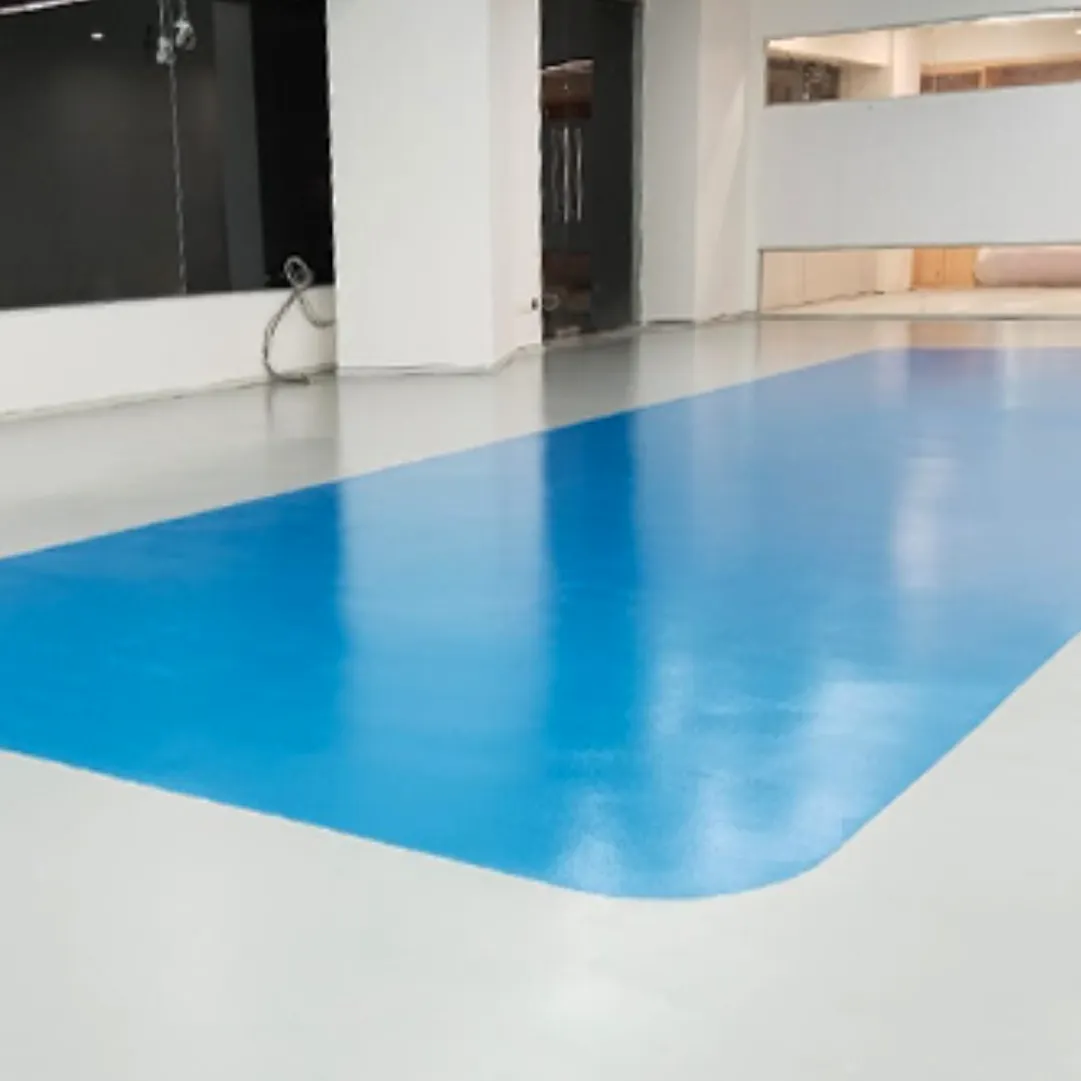
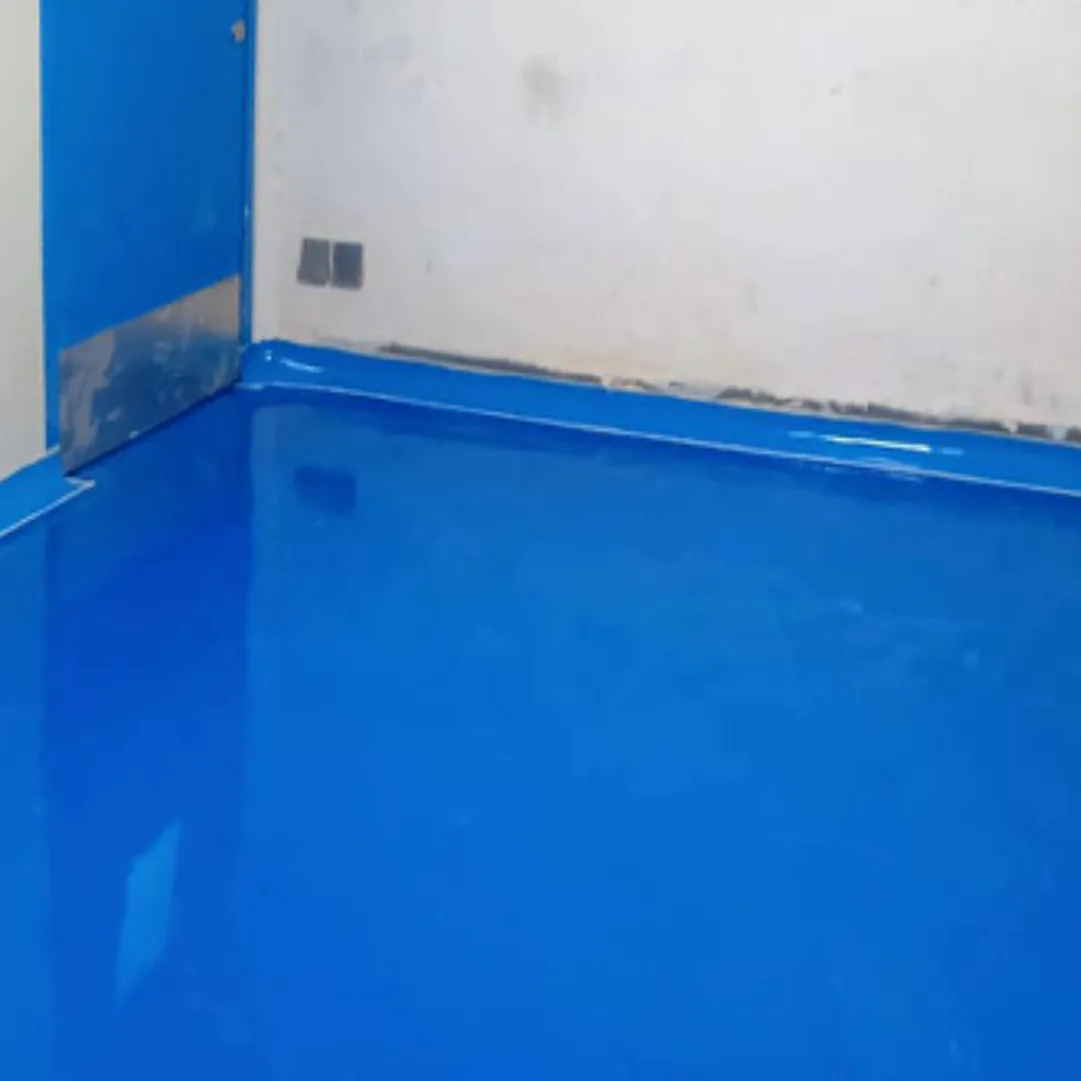
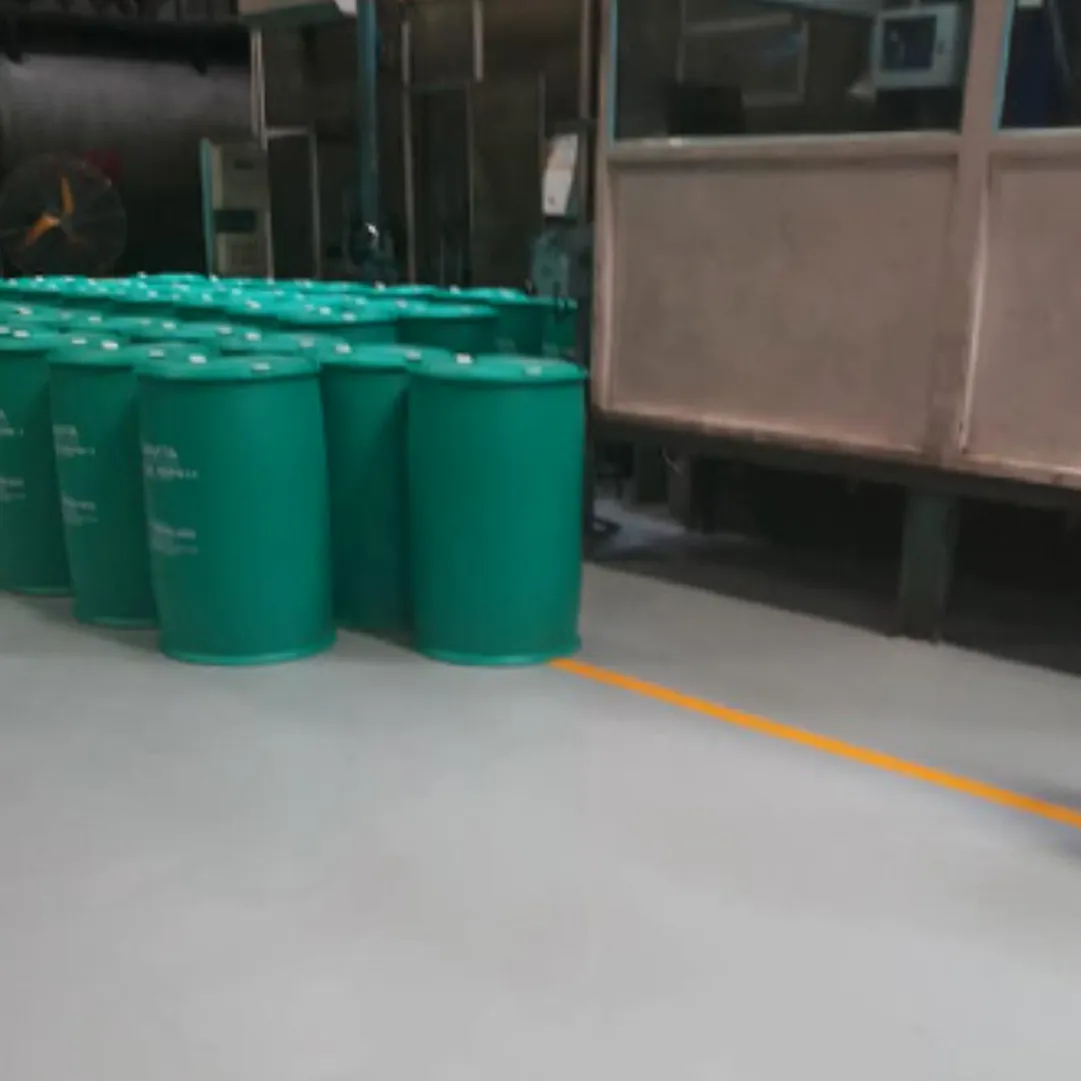
CoatEXX Industrial Solutions offers Floor Marking Services in Kolkata for factories, warehouses, manufacturing plants, commercial buildings, logistics centers, workshops, and other industrial sites. Floor marking allows companies to organize their workspace, to mark out walking routes, to mark out storage areas and to set up visible borders for safety reasons. Walking areas, forklift areas, production areas, loading areas and other parts of the floor could be marked using proper floor markings.
Frequent traffic on the floors of an industrial building is caused by workers, forklifts, pallet jacks, machines, handling equipment and other equipment. If there are no properly marked-out routes and work areas on the floor of such a building, movement becomes difficult to manage especially in production and storage areas. Appropriate floor marking helps to differentiate the walking areas from the vehicle areas, mark the restricted areas and mark out necessary workplace boundaries.
No matter whether it is markings for a warehouse, safety lines for a factory or pathways in commercial buildings, floor marking needs can be met according to the structure and operation of your site. Our services include floor markings in Kolkata that will enable you to keep your floors organised and workspaces distinguished.
|
System |
Layers |
Typical Specification |
Best For |
|
Epoxy floor marking |
Prepared surface + compatible epoxy marking coat |
Line width as per layout; thickness system-dependent |
Indoor factories, warehouses and production zones |
|
PU floor marking |
Prepared surface + compatible polyurethane marking coat |
Line width as per layout; thickness system-dependent |
Areas requiring wear resistance and selected outdoor applications |
|
Anti-slip safety marking |
Prepared surface + marking coating + anti-slip aggregate, where required |
Width, texture and colour as per safety layout |
Ramps, pedestrian crossings and high-traction zones |
- Defines vehicle paths, pedestrian walkways and movement zones.
- Helps identify hazards, restricted areas and emergency access routes.
- Clearly identifies storage zones, workstations and designated spaces.
- Suitable systems resist routine wear from foot traffic and vehicles.
- EUses colours and symbols to communicate workplace instructions quickly.
- Helps organise parking bays, warehouse aisles and loading areas.
- Requires a clean, dry and suitable substrate for proper adhesion.
- Heavy traffic, braking and turning can gradually damage markings.
- Marked areas may need temporary closure before traffic resumes.
- Dust, dirt and abrasion can reduce marking visibility over time.
- Outdoor markings may deteriorate faster under UV exposure and harsh weather.
- Worn or damaged markings require maintenance and repainting.
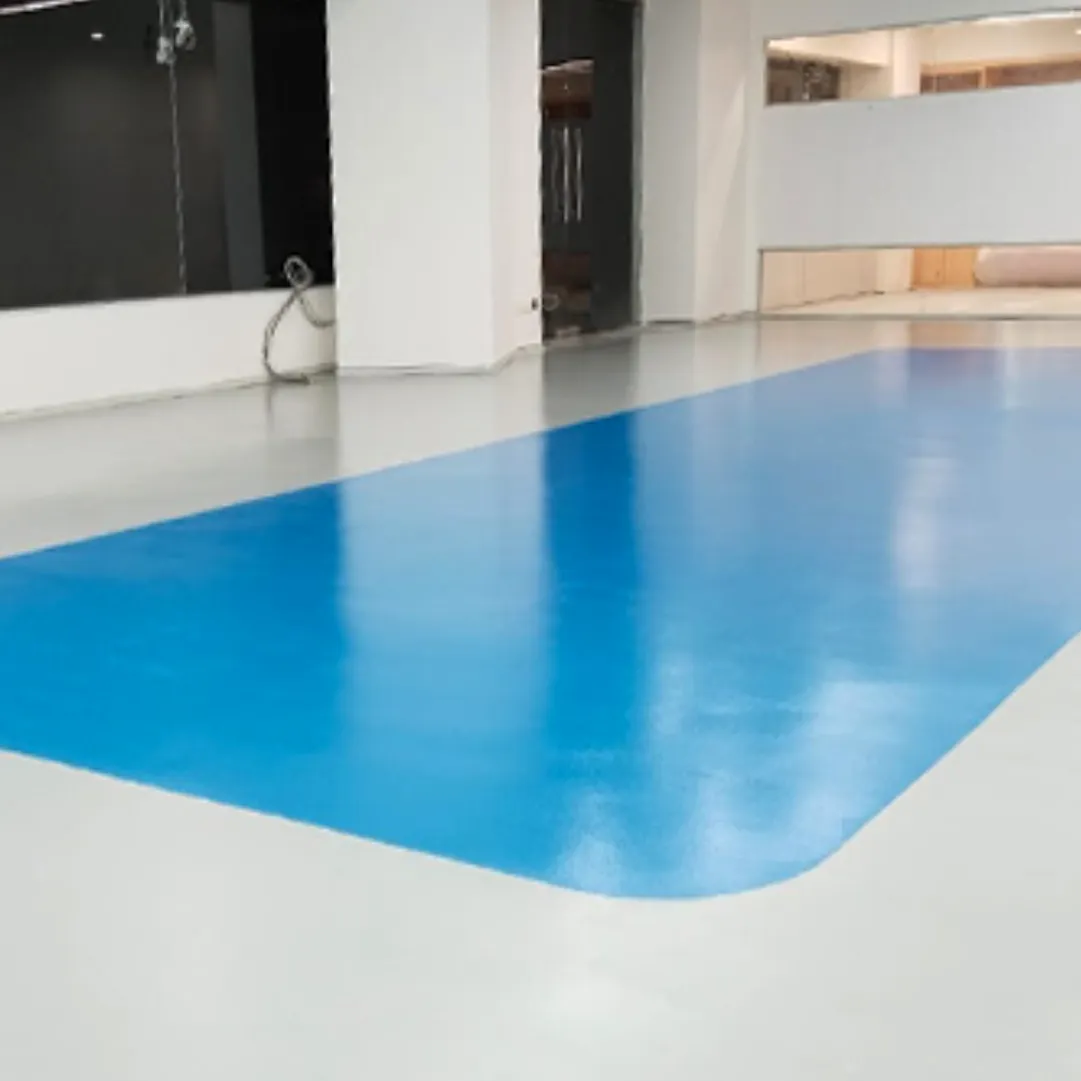
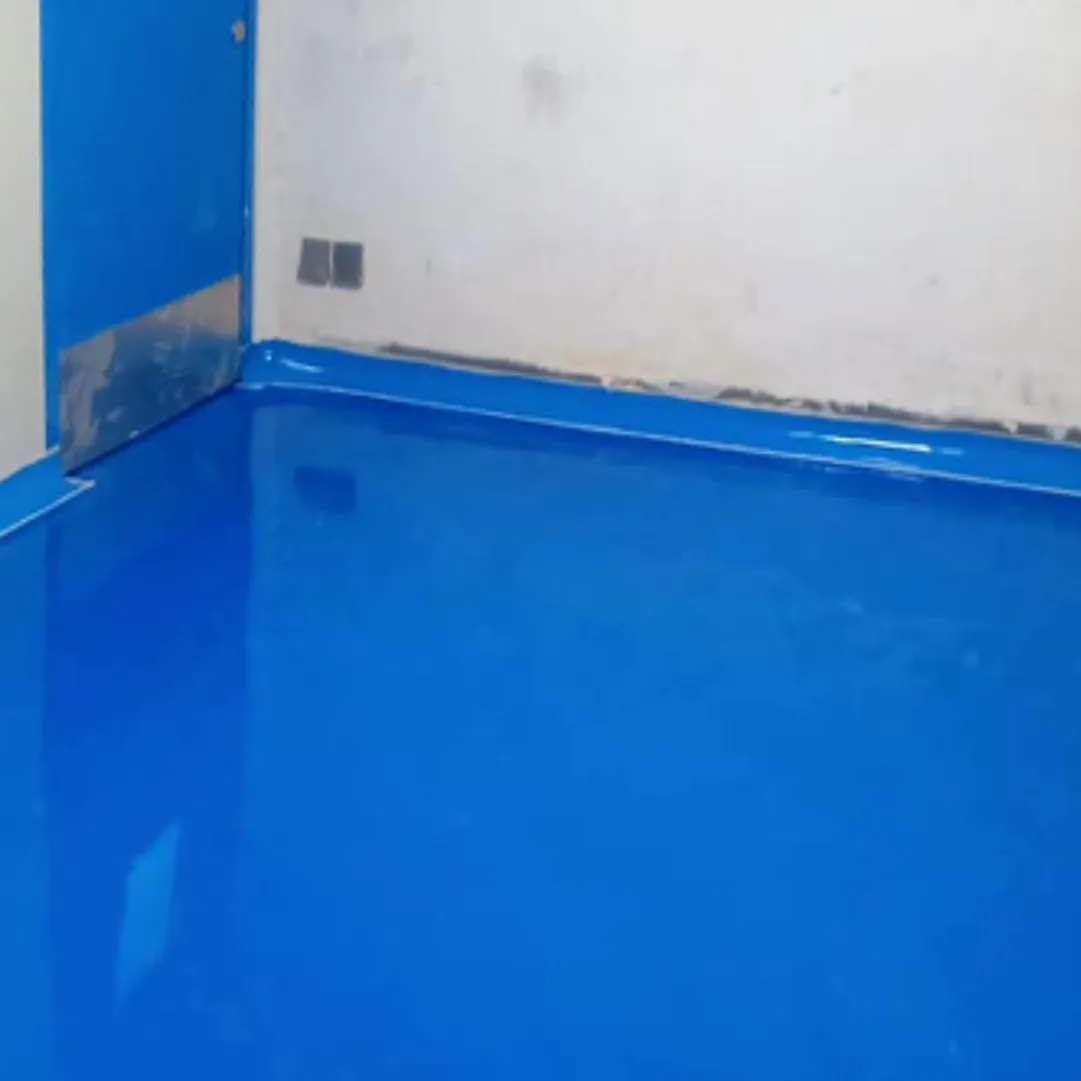
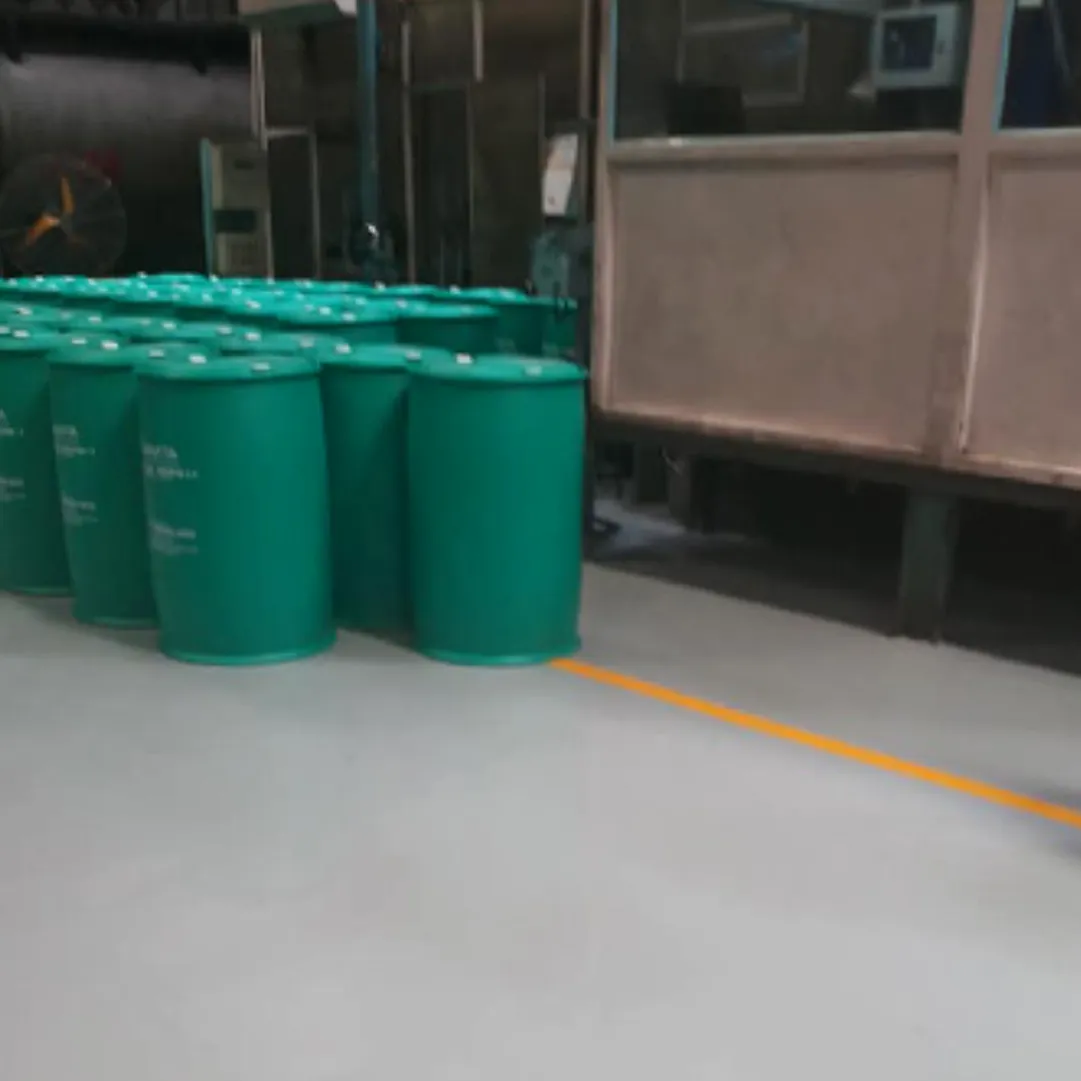


Floor marking services entail the painting of lines, arrows, symbols and boundaries on industrial or commercial floors. They assist in defining walkways, areas of storage and vehicle tracks as well as areas of choice in safety. Services can comprise planning of the layout, preparation of the surface, application, and final inspection.
Floor marking may be useful in manufacturing facilities, storage facilities, workshops, logistic centres, distribution facilities, and commercial buildings. It is applicable in any area where companies require defined movement routes, storage zones, equipment areas, or confined areas.
The general marking is done by the use of floor marking paint and the epoxy line marking consists of an epoxy-based coating system. The epoxy can be more resistant to abrasion in appropriate conditions, but the appropriate decision depends on the floor surface, traffic, the characteristics of the products, and the maintenance needs.
The width recommended is based on the purpose of the marking, site plan, visibility requirement, and needs that may apply. There are operational needs of pedestrian paths and forklift aisles. Dimensions are to be determined after considering traffic, size of equipment and clearances needed.
Yes. Warehouse aisles, movement routes, boundaries and selected areas of caution are usually marked with yellow line. Its meaning must align with the colour-coding system and safety measures of the warehouse.
Find a contractor that takes into account floor conditions, application techniques, surface preparation, and material compatibility, and layout requirements. Discuss the maintenance, line size, the exact extent of the quotation and cure time before starting the job.
Understand Industrial Floor Marking Services and Its Uses
Industrial floor markings are the most effective way of segmenting floor area in industries and commercial places. This is done through the use of lines, colors, symbols, arrows, and zones in order to explain the uses of various areas of the floor. This may vary depending on what the specific place requires, such as areas for pedestrians, forklift traffic, storage, machinery and equipment, loading and unloading bays, emergency access zones and other areas that require restricted access.
Line marking of floors may be used to mark aisle boundaries, work stations, production areas and movement areas among others. This is done by following an appropriate floor plan.
The process of safety line marking makes it easier to identify certain boundaries in the workplace. The yellow color is generally used to mark aisles, warning, and travel paths as per the safety plan of the particular facility. Various colors could also be used for other zones depending on company protocols and safety regulations.
Floor Marking System Types
The most suitable type of floor marking system depends on the nature of the surface, frequency of movement, cleaning process, chemical exposure, water exposure, as well as whether the design will be temporary or permanent.
- Floor marking paint: Used to make lines/zones on suitable floors.
- Epoxy line marking servics: A coating product that is appropriate for applications where clear lines with resistance to the environmental conditions are required.
- Floor marking tape: Suitable for designs that may require modification in the future.
- Special signs and symbols: Arrows, pedestrian crossings, numbering of areas, and special safety zones could be used in the floor marking layout where necessary.
The line marking using epoxy service may be appropriate for use in factories, workshops, warehouses, and other similar locations where clear lines are required on an appropriate floor.
Process of Application of Floor Marking
A proper application process can help to create clean lines, proper widths, and proper adhesion of the markings. This process is based on the choice of the marking and the state of the floor.
Step 1: Site Assessment and Requirement Identification
Site assessment includes the inspection of the floor and the determination of the needs of the facility. During the assessment, the floor material, its damaged parts, the level of traffic, cleaning processes, and the places where the markings are necessary are evaluated.
Pedestrian pathways, forklift aisle marking , storage zones, loading zones, production areas, and other places which need proper identification are determined at this stage.
Step 2: Site Planning and Line Positioning
In the second step, according to the information obtained during the site assessment, marking plan is developed. Positions, widths, colors, symbols and intersections of lines are defined.
Width of safety line marking varies according to its intended use, site layout, dimensions of vehicles and safety requirements. Walkways and vehicle pathways should be clearly marked and emergency equipment or exits should not be obstructed by the marking design.
Step 3: Floor cleaning and preparation
In order to prepare the floor for marking, it should be cleaned according to the type of marking materials chosen. Any dust, dirt, grease, oil, particles, and other contaminants are removed in order to help the material stick better.
If there are any damaged coatings, cracks, or even uneven surfaces, it should be treated prior to marking. In some cases, depending on the type of coating system, mechanical preparation of the surface and other actions will be needed. Prior to marking, the floor should meet all manufacturer's requirements.
Step 4: Measurement and masking of lines
After the floor is cleaned and prepared, lines should be measured and marked. Masking tape or other devices will help achieve uniform width and sharp edges.
It is very important at this stage when installing parallel lines, fork lifts' aisle borders, pedestrian paths, directional arrows, and color-coded zones.
Step 5: Application of the Chosen Marker
Application of the marker is done by an experienced applicator based on the most suitable application technique for the product and site conditions. An experienced floor marking paint applicator may apply a brush, roller, line-marking machine, and any other necessary equipment depending on the job.
If the chosen marking material is an epoxy, then the mixture of the components of the coating should be done in compliance with the specified mixing ratios and other guidelines as well. Selection of the most appropriate technique depends on the product selected, its thickness, and how many coats it requires.
Step 6: Drying/Curing
The time for which the surface has to be left to dry is mentioned in the product data depending on the paint or coating that is used.
During this time, forklifts, cars and other vehicles as well as normal foot traffic, need to stay away from the area until the marking system is cured.
Step 7: Inspection and Turnover
In the final step, there will be an inspection to ensure that there is consistency in the lines, visibility, coverage, and finish. In the inspection process, there could be some areas that would need fixing because they might have been left out.
Before proceeding with resuming activities on the floor, it will be wise to make sure that all the markings are clear and that the pathways and work areas correspond to the design.
Floor Marking Tape vs Paint
Either floor marking tape or paint may be used to indicate pathways and workspace areas, depending on the particular situation.
|
Factor |
Floor Marking Tape |
Floor Marking Paint or Epoxy |
|
Installation |
Generally quick to install |
Requires suitable preparation and application |
|
Layout changes |
Easier to remove or replace in many applications |
May require removal or repainting |
|
Typical use |
Temporary layouts and adjustable work zones |
Fixed walkways, aisles, and safety boundaries |
|
Performance |
Depends on tape quality, adhesion, and traffic |
Depends on the coating, floor preparation, and curing |
Tape can be considered if the layout is subject to changes often. If the design is final but gets heavy traffic, then it will be wise to consider paints or epoxy paints. However, all these will have to factor in the condition of the floor, the cleaning process, and the life span of the markings.
What Determines the Line Marking Rate per Running Meter?
The line marking rate per running meter differs from one project to another. The cost of line marking is determined by the choice of the material to use, line width, total distance of line to be marked, floor conditions, number of colors, and level of difficulty in the layout.
The determination of the total cost is affected by additional factors like the surface preparation work, removal of old lines, and directional arrows. Site inspection assists in establishing the total amount of work and materials that will be needed for the job.
Choosing a Floor Marking Contractor
Choosing a knowledgeable contractor for floor markings will help guarantee that the selected system is suitable for the particular facility. The following issues should be taken into account prior to selecting a contractor:
- Knowledge of similar projects related to industrial or commercial floors.
- Knowledge of floor preparation techniques and compatibility of materials.
- Skills in designing walkways for pedestrians and forklifts, as well as the storage space.
- Provision of appropriate equipment and a competent workforce.
- Access to data on costs, curing time, maintenance, and work scope.
The contractor needs to evaluate the site conditions before suggesting the marking system. In this way, one can avoid choosing inappropriate materials for the floor surface and traffic load.
Floor Marking Solutions by CoatEXX Industrial Solutions
Floor marking services are provided by CoatEXX Industrial Solutions for those industrial or commercial buildings which need organized placement, marked pathway and demarcation of work areas. List of applications can include markings in aisles in warehouses, routes for forklifts and pedestrians, production zones, loading zones, etc.
Everything depends on the needs of the particular building, current state of the floor, traffic and intended use of this particular zone. All the factors mentioned above should be taken into consideration in order to come up with a rational solution.
Call us at Coatxx Industrial Solutions to get our floor marking services
If you would like your factory, warehouse, production floor, or commercial facility to be organized with floor markings, please contact CoatEXX Industrial Solutions in Kolkata, covering India, Maharashtra, Mumbai, Panaji, Ahmedabad, Indore, for advice on how to proceed with floor marking services. Please provide us with the details of your application to determine which method is suitable for pedestrian lanes, forklifts, and floor marking services.
Get a site visit and a clear quotation from Coatexx Industrial Solutions.