- Home
- Noida
- Epoxy Flooring
- PU Flooring
Industrial PU Flooring Solutions in Noida
What Is PU Flooring? PU floors or polyurethane floors are the resin-based coating floor systems applied to a suitably prepared concrete substrate in order to give protection and durability along with proper finishing to…
Typical Thickness Range
Indicative Light Traffic Cure
Indicative Full Cure

CoatEXX Industrial Solutions assists companies to investigate the appropriate polyurethane flooring system, depending on their business needs. The design of our PU flooring solutions in Noida is based on aspects like the strength of the surface, exposure to chemicals, hygiene and maintenance requirements.
PU flooring services in Noida provide a viable flooring solution to facilities that need to have a hardwearing, protective and easy-to-maintain floor. Several industrial settings use polyurethane flooring due to the ability of various system designs to offer abrasion resistance, chemical resistance and slip-resistant finishes.
CoatEXX Industrial Solutions will assist you to estimate the appropriate flooring material to use on your project, which includes:
- Floors in industries where there is a frequent flow of traffic and machinery
- Areas of production that need to be easily cleaned and surface-protected
- Business areas that require a long-lasting, professional finish
- Processing of food and temperature controlled conditions where application specific systems are needed
The correct solution is based on your concrete base, working conditions and performance expectations.
|
System |
Layers |
Total Thickness |
Best For |
|
PU floor coating |
Primer + polyurethane coating |
Product-dependent |
Light industrial use, workshops and general utility areas |
|
Self-levelling PU flooring |
Primer + PU body coat + finishing layer, as required |
Typically 2–4 mm* |
Commercial interiors and production areas requiring a seamless finish |
|
Heavy-duty PU flooring |
Primer + PU screed/body layer + protective finish, as specified |
System-dependent |
Industrial areas exposed to higher wear and operational demands |
- Available in flexible and rigid formulations
- Suitable systems can resist abrasion and regular traffic
- Certain systems perform well in wet processing areas
- Specialised formulations can withstand temperature changes
- Seamless finishes support easier cleaning
- Some formulations offer good UV resistance
- Performance varies significantly between products
- Heavy-duty systems may have a higher initial cost
- Not every PU product is suitable for thermal shock
- Requires proper substrate preparation
- Poor installation can cause adhesion or surface defects
- Chemical resistance must be checked for the specific product
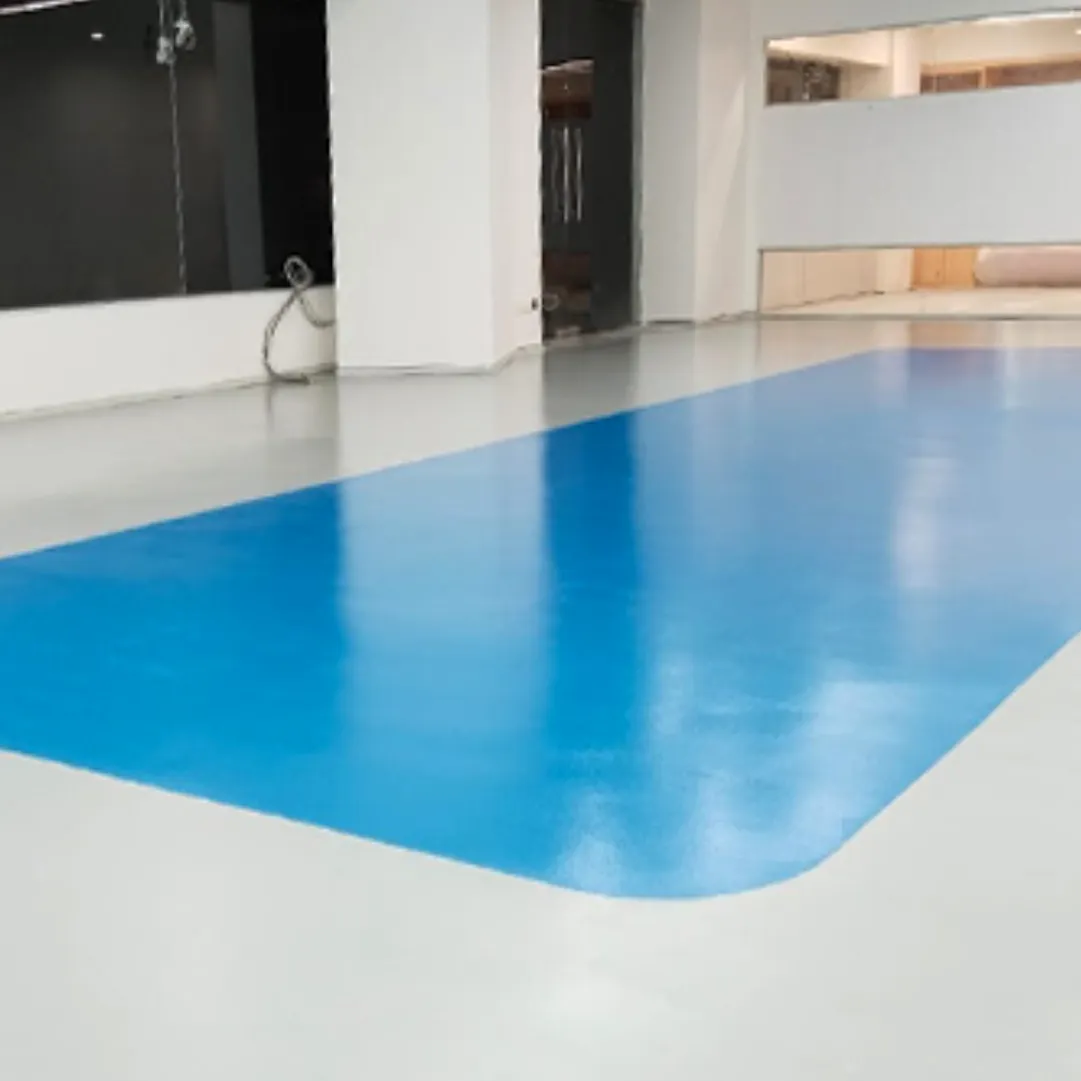
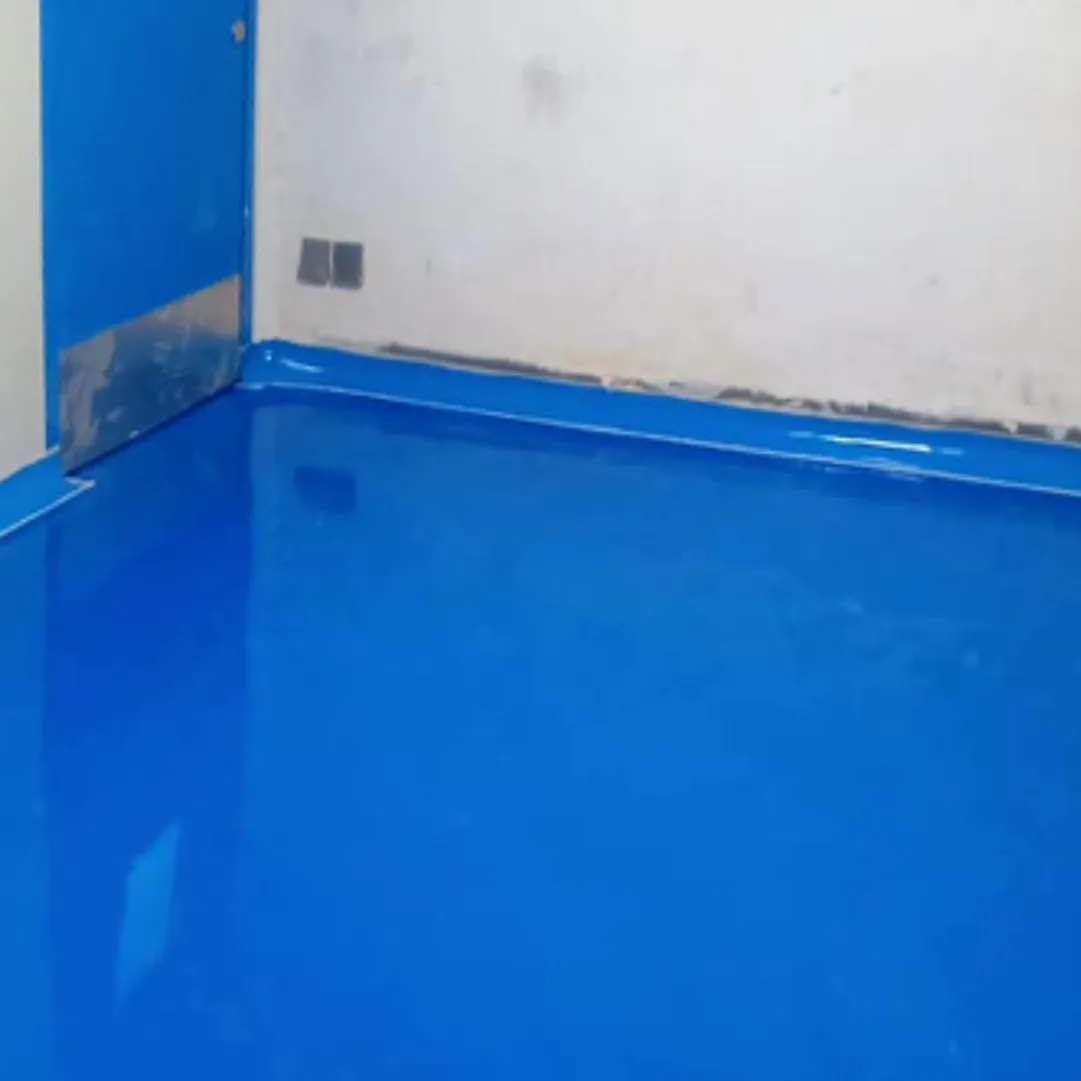
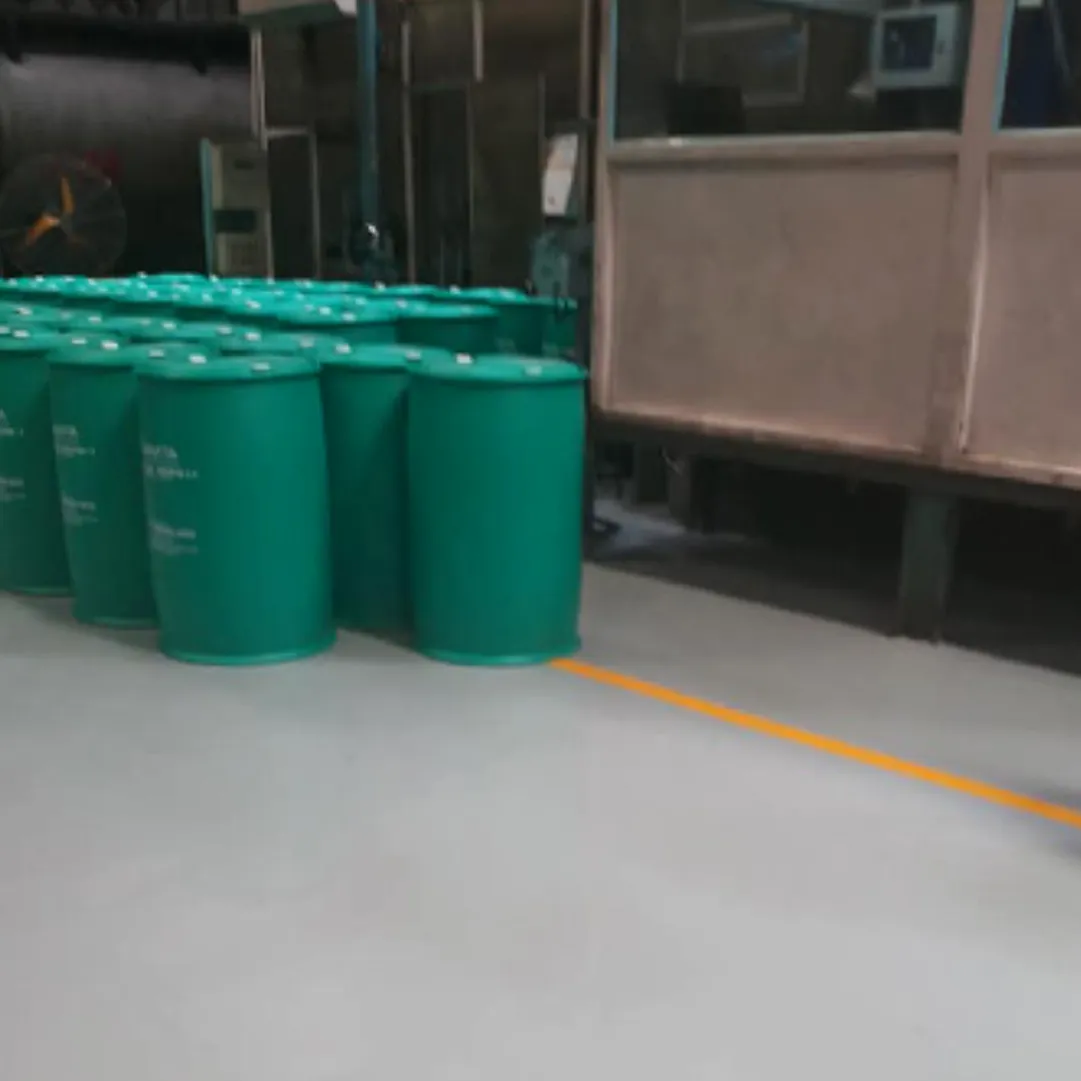


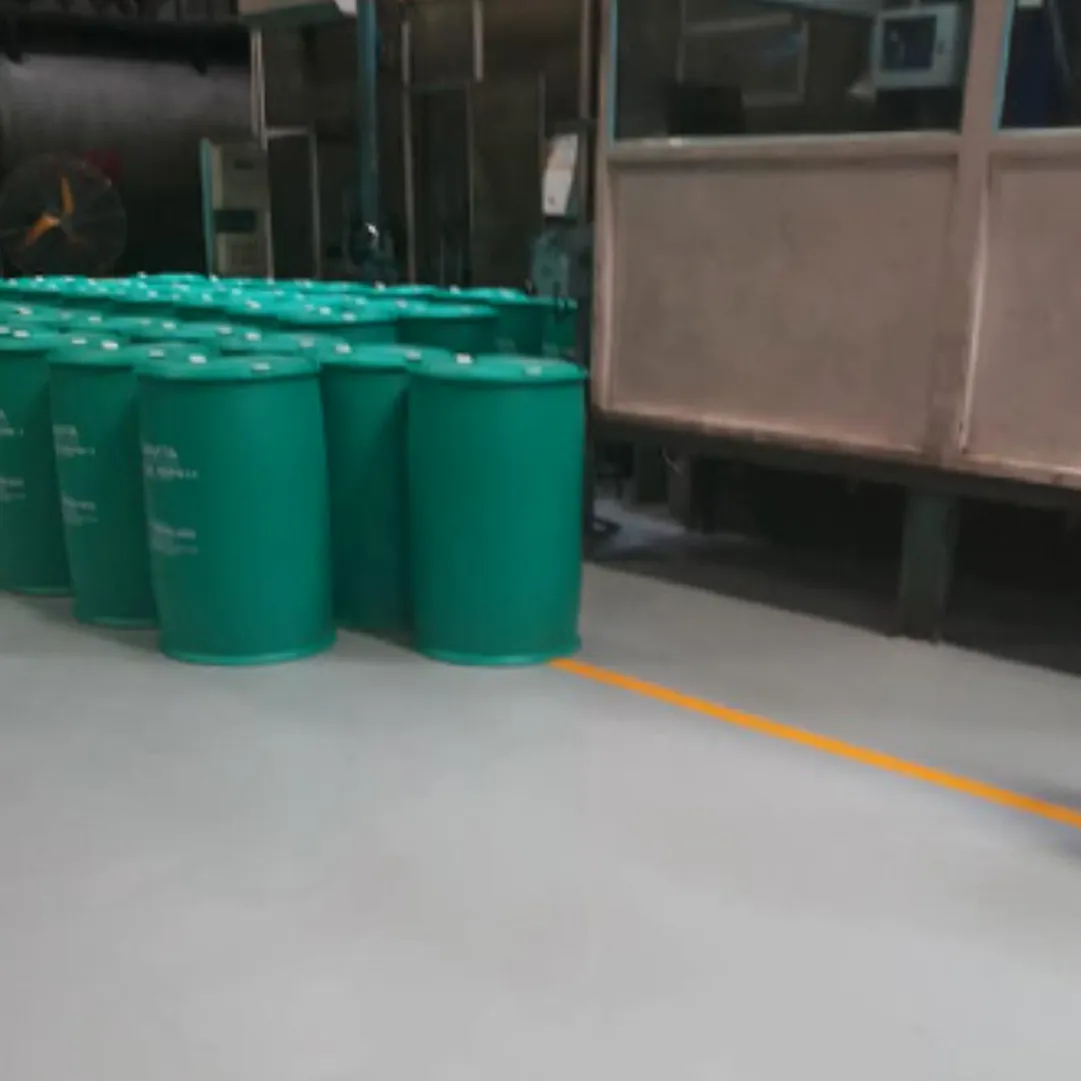
PU flooring is installed in industrial, commercial and certain specialized areas where protection, ease of cleaning, durability or flexibility of the flooring is needed. Typical applications include factories, food processing areas, dairies, warehouses and cold stores.
PU flooring contains polyurethane resins, and epoxy flooring contains epoxy resins and hardeners. Flexibility, UV resistance, chemical resistance and temperature properties of both products differ depending on the formulation. Selection of either product depends on the conditions of use at the installation site.
There is no single recommended thickness. Lightweight coating can be installed for less-demanding applications, and PU screeds are installed for more demanding environments.
Yes, it is possible to use suitable PU flooring in food processing applications. The selected flooring system must fulfill the hygiene, cleaning, temperature, and chemical resistance criteria.
A suitable polyurethane or polyurethane cement floor may be used for dairies and cold storage facilities. This should be appropriate according to the temperature, cleaning regime, traffic and substrates.
The cost of polyurethane floors depends on many factors such as the kind of system, the thickness, material specifications, floor preparation, repair works, size of the project, among others like coving or slip resistance coating.
What Is PU Flooring?
PU flooring or polyurethane flooring is a type of resin flooring that is placed over an existing prepared substrate, typically concrete. It develops a protective coating suited to the requirements of its target environment.
Some of the typical advantages are abrasion resistance, resistance to the chosen chemicals, easy cleaning, and other surface finishes. The performance is determined by the product formulation, surface preparation and the quality of installation.
PU Concrete Flooring, PU Screed Flooring and PU Floor Coating
There are various types of polyurethane flooring.
- PU concrete flooring: Polyurethane-cement systems that are used in industries with high demands
- PU screed flooring: Generally a heavier system designed to be trowel-placed and can be used in heavy-duty situations
- PU floor coating: A thinner protective coating to use with appropriate substrates and operating conditions
The decision is based on the movement of the equipment, exposure to chemicals, temperatures of cleaning, and anticipated loads. The site assessment will aid in the choice of the most appropriate coating, self-levelling system or heavy-duty screed.
Applications of Polyurethane Flooring
Polyurethane flooring can be considered for various industrial and commercial environments, including:
- Floors exposed to production and frequent traffic: Manufacturing units
- Warehouses: To daily transport goods and material-handling equipment
- Facilities in food processing: In food processing, where cleaning and slip resistance are important
- Pharmaceutical plants: To use flooring based on the need for cleanliness and chemical exposure
- Commercial areas: Use on hard-wearing surfaces that are used to carry out regular maintenance
Flooring specification must also portray the true conditions of the facility.
PU Flooring Thickness: How Much Is Required?
The thickness of PU flooring is determined by the anticipated load, concrete status, chemical exposure and temperature of cleaning.
|
Flooring system |
Illustrative thickness |
|
PU coating |
Around 0.5–1.5 mm |
|
Self-levelling PU system |
Around 2–4 mm |
|
PU cement screed |
Around 4–9 mm or as specified |
These are indicative ranges. The final thickness must be in accordance with the technical data sheet of the manufacturer and the performance requirement of the site.
Food Grade PU Flooring: Is PU Flooring Food Safe?
Food grade PU flooring should address the hygienic and functional needs of the targeted facility. Not all polyurethane products are instantly applicable in food-related applications.
Important considerations include:
- Easy cleaning and maintenance
- Tolerance to pertinent food acids, oils and cleaning chemicals
- Appropriate wet working area slip resistance
- Documentation of the products to be used
Before using a chosen product in a food processing setting, always ensure that you have checked the technical specifications of the product.
PU Flooring for Dairy and Food Processing Units
Dairy facilities require PU flooring to be used where there is exposure to wet conditions, regular washing and exposure to milk remnants, fats, organic acids and cleaning agents.
The right system must offer the relevant chemical resistance, slip resistance, and fitting in the sanitation routine of the site. Even the floor-wall junctions should be well drained and detailed to ensure hygiene.
Non-price factors like operating conditions, quality of installation and maintenance needs should be taken into account in the final choice.
PU Flooring for Cold Storage Facilities
Cold storage PU flooring will be required to withstand temperature and moisture factors in a facility and also traffic. Frozen storage and cold rooms can be characterized by condensation, thermal stress and repetitive moving of goods.
An appropriate polyurethane-cement system can be taken into account in case of temperature variations and frequent cleaning. Measure operating temperatures, thermal shock, concrete condition, joints, and equipment loads before installation. Not all PU products can be used in low temperatures.
PU Flooring Temperature Resistance
Resistance to temperature of PU flooring is dependent on formulation, thickness, quality of installation and duration of exposure. Hot-water washing and temperature variations Specialty polyurethane-cement systems may be designed taking into consideration such temperature variations, and slimmer coats may have some restrictions on service.
Take into account standard operating temperatures, cleaning with hot water or steam, thermal shock, cold exposure and cleaning solutions. Never forget to check in the technical data sheet of the manufacturer for the authorized service temperatures.
PU Epoxy Flooring: Understanding the Difference
Other flooring materials include polyurethane and epoxy, but sometimes compatible products can be used in combined or overlaying systems.
- Polyurethane flooring: It may be more elastic and may be applied to the area in which there is a variation in temperatures and to areas where cleaning is required based on the formulation
- Epoxy flooring: It is typically firmer and the performance depends on the formulation, adhesion, chemical and finish required
The most ideal one is not the name of the product; it is based on the operational needs of the facility.
Benefits of Choosing the Right PU Flooring
The well-defined polyurethane floor may be used to protect concrete and facilitate the routine. Some of the advantages might be
- Durability: Able to withstand wear due to appropriate foot and equipment traffic
- Chemical protection: The resistance to chemicals that is stipulated to the chosen system
- Hygienic support: A smooth finish that could be more easily cleaned
- Flexibility in design: Various colours and surface textures, depending on the product
- Maintenance planning: An appropriate system would be able to aid in the management of routine maintenance needs
Long-term performance is also affected by the choice of product, the preparation of substrates, installation, and aftercare.
PU Flooring Installation Process
Installation of PU flooring should be carefully assessed and prepared to be successful. The general process involves:
- Site inspection: Check the presence of concrete, moisture, cracks, joints, and working conditions
- Surface preparation: Eliminate the contamination and treat the substrate according to a given procedure
- Repair and priming: Fill in the holes and put on compatible primers where required.
- Floor use: Apply selected PU coating, self-levelling or screed
- Curing and inspection: Traffic not permitted until the specified curing time
Adherence and floor performance are assisted by following the instructions of the manufacturer.
Choosing a PU Flooring Contractor and Applicator
Projects for PU flooring Contractors should be chosen based on experience. Prior to hiring a PU flooring applicator, take into account:
- Experience with the proposed flooring system
- Substrate preparation and determination of moisture
- Product names and suggested thickness
- Slip-resistance and chemical compatibility requirements
- Installation schedule, curing time, and instructions for maintenance
Clear scope work helps in the alignment of the selection of materials, preparation, application and expectations of the project.
Polyurethane Flooring Price and PU Concrete Flooring Rate
Polyurethane flooring cost varies based on the size of the project, concrete level, system thickness and performance level.
The PU concrete flooring rate is influenced by:
- Total floor area and system of choice
- Surface finish and thickness needed
- Concrete repairs, grinding, and preparation as a result of moisture
- Chemical resistance and temperature needs
- Anti-slip coating, edge, and coving
- Access to and installation schedule at the site
A specific estimate is better than a generic estimate per square foot. The minimum initial price might not offer the most appropriate performance in the long term
PU Flooring Services Across Noida
CoatEXX Industrial Solutions may talk about the industrial and commercial flooring needs in location including Lucknow, Prayagraj, Varanasi, Agra. The assessment of the current substrate, planned use, conditions of operation, and budget is needed in each project.
Regardless of whether you are renovating an old plant or designing a new business area, the appropriate choice of polyurethane flooring system can assist in matching the needs of durability, maintenance and performance.
Get in touch with CoatEXX Industrial Solutions
In need of good PU flooring in Noida? Contact CoatEXX Industrial Solutions, discuss your project, get a quote on a customized PU flooring, and learn about suitable polyurethane flooring.
Get a site visit and a clear quotation from Coatexx Industrial Solutions.