- Home
- Thane
- Epoxy Flooring
- Epoxy Floor Coating (400–500 Micron)
Epoxy Floor Coating (400–500 Micron) for Industrial and Commercial Facilities in Thane
What Is Epoxy Floor Coating? Epoxy floor coating is a type of protective coating that results from the mixing of epoxy resin and a hardener. Upon mixing the two in the appropriate ratio, the reaction occurs to form the…
Thickness Range
Light Traffic Cure
Full Chemical Cure

Coatexx Industrial Solutions provides the best Epoxy Floor Coating (400-500 micron) Services in Thane commercial and industrial flooring services to install epoxy floors. Epoxy floors are perfect where a clean, durable, and easy-to-maintain floor is required, such as in commercial and industrial flooring. Our epoxy floor coatings can be applied to manufacturing units, workshops, commercial buildings, some production areas, and warehouses. Coatings for floors are available based on existing levels of floor contamination, expected use, and daily demands of the facility in Thane.
The thicker the epoxy is, the thicker the protective coating will be on the well-prepared concrete surface of 400-500 microns. It can also help in the appearance of the floor and can reduce the regular wear, dust, and some oils and chemicals (depending on the coating system) that will occur. The best finish will be provided by the proper material and method of application.
We know that there are a variety of sites, and we are here to serve you in Thane. The warehouse may require a coating that it can roll about in often, but the commercial unit may be more interested in appearances and cleanliness.
|
Factor |
Epoxy Floor Paint |
Epoxy Floor Coating |
|
Typical purpose |
Appearance and basic surface protection |
Surface protection according to the selected system |
|
Application |
Often applied by roller or brush |
May be roller-applied, squeegeed, or installed using other specified methods |
|
Thickness |
Commonly thinner, depending on product |
Can range from thin films to thicker systems |
|
Surface preparation |
Required for proper adhesion |
Required for proper adhesion |
|
Suitable applications |
Selected garages, utility areas, and light-duty floors |
Industrial, commercial, and other areas depending on specification |
|
Selection |
Based on the product's stated performance |
Based on thickness, traffic, exposure, and finish requirements |
- Reduces concrete dusting in industrial and commercial spaces.
- Provides a sealed surface for easier routine cleaning.
- Protects suitable concrete floors against everyday wear and selected chemicals.
- Creates a neat, consistent appearance across floor areas.
- Supports straightforward routine maintenance when properly installed.
- Offers a practical coating solution for light-traffic areas.
- Requires a clean, sound and properly prepared concrete base.
- Excess moisture can affect coating adhesion and performance.
- Smooth finishes may become slippery when wet.
- Offers less impact resistance than heavy-duty epoxy screeds.
- Requires sufficient curing before traffic resumes.
- Cracks and uneven surfaces may require repairs before application.
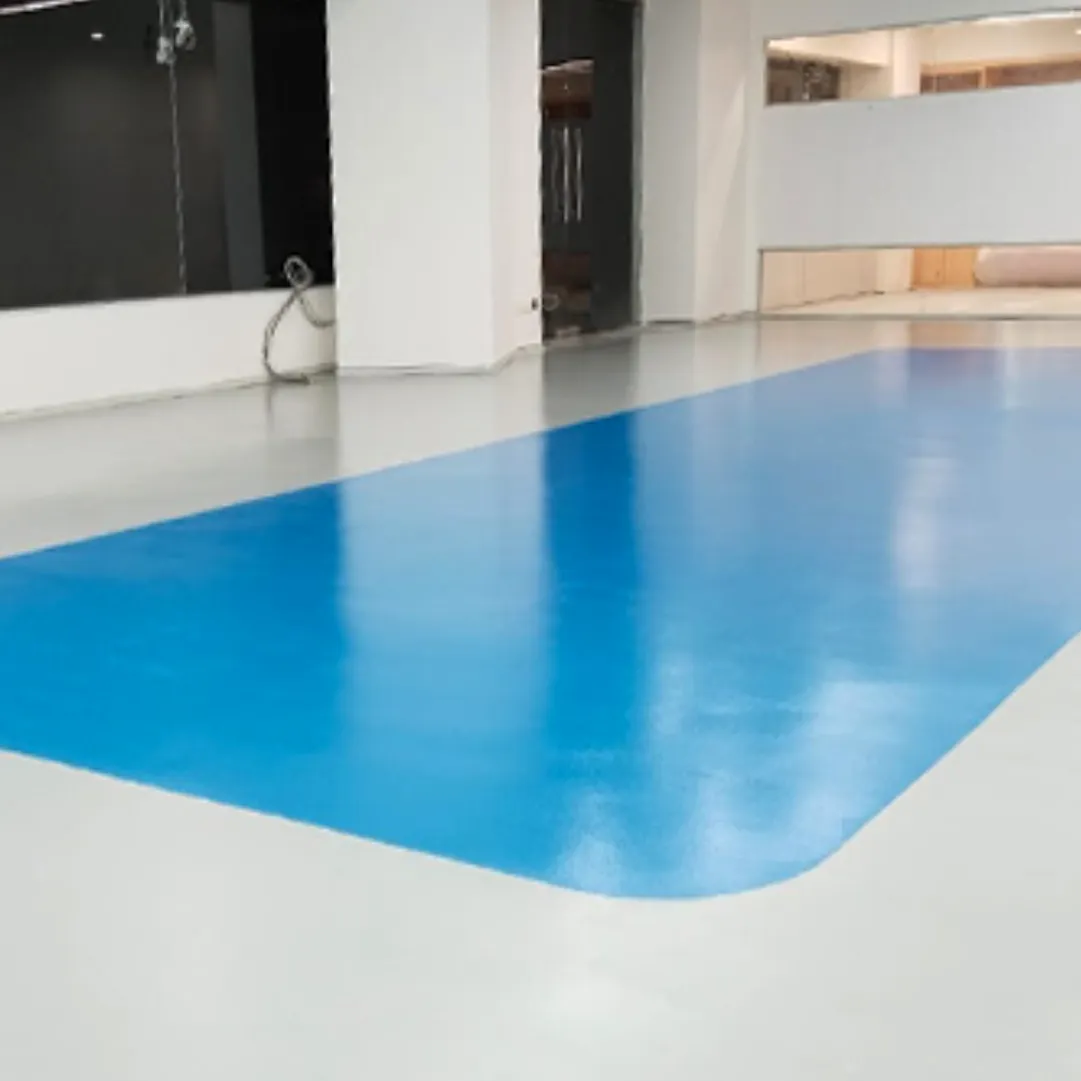
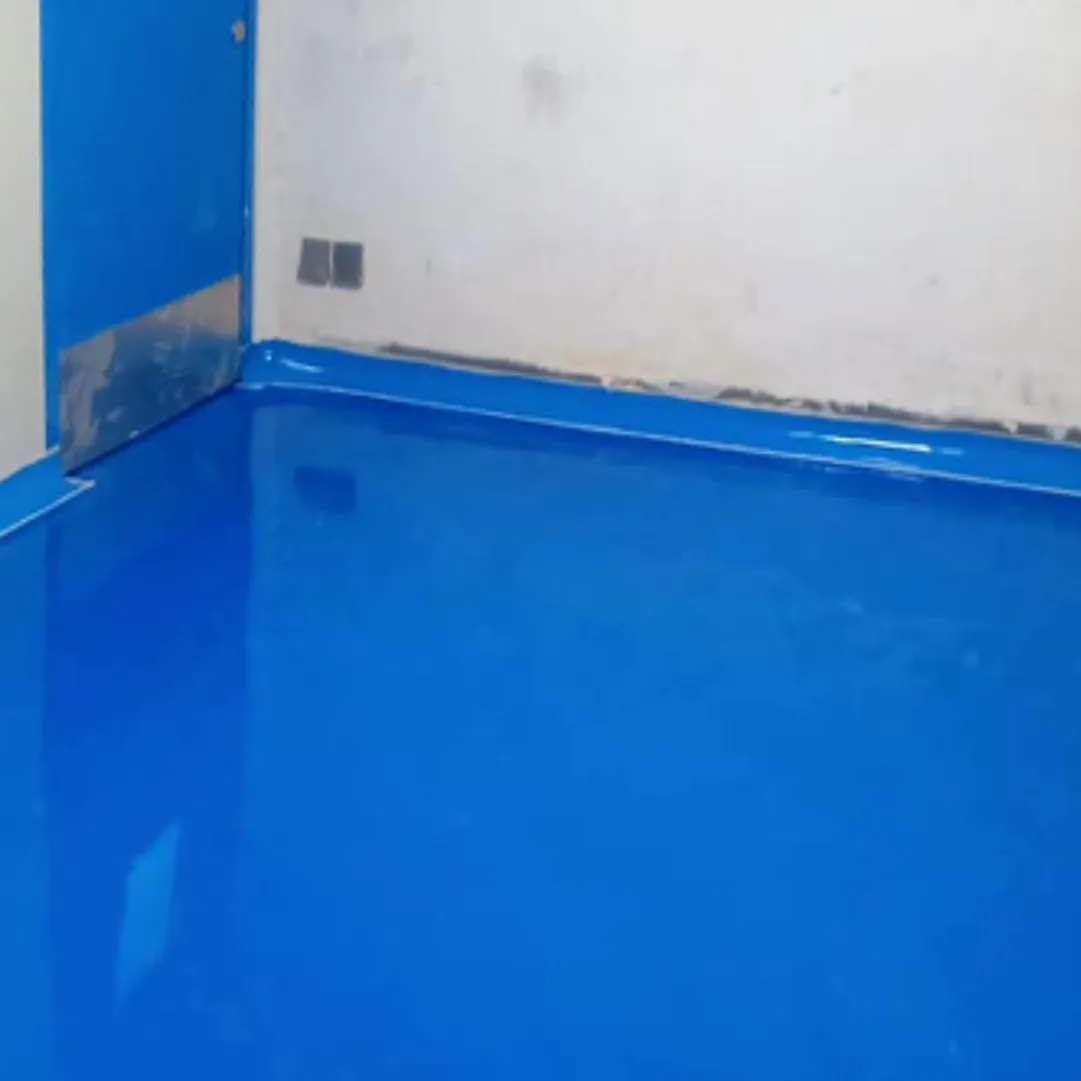
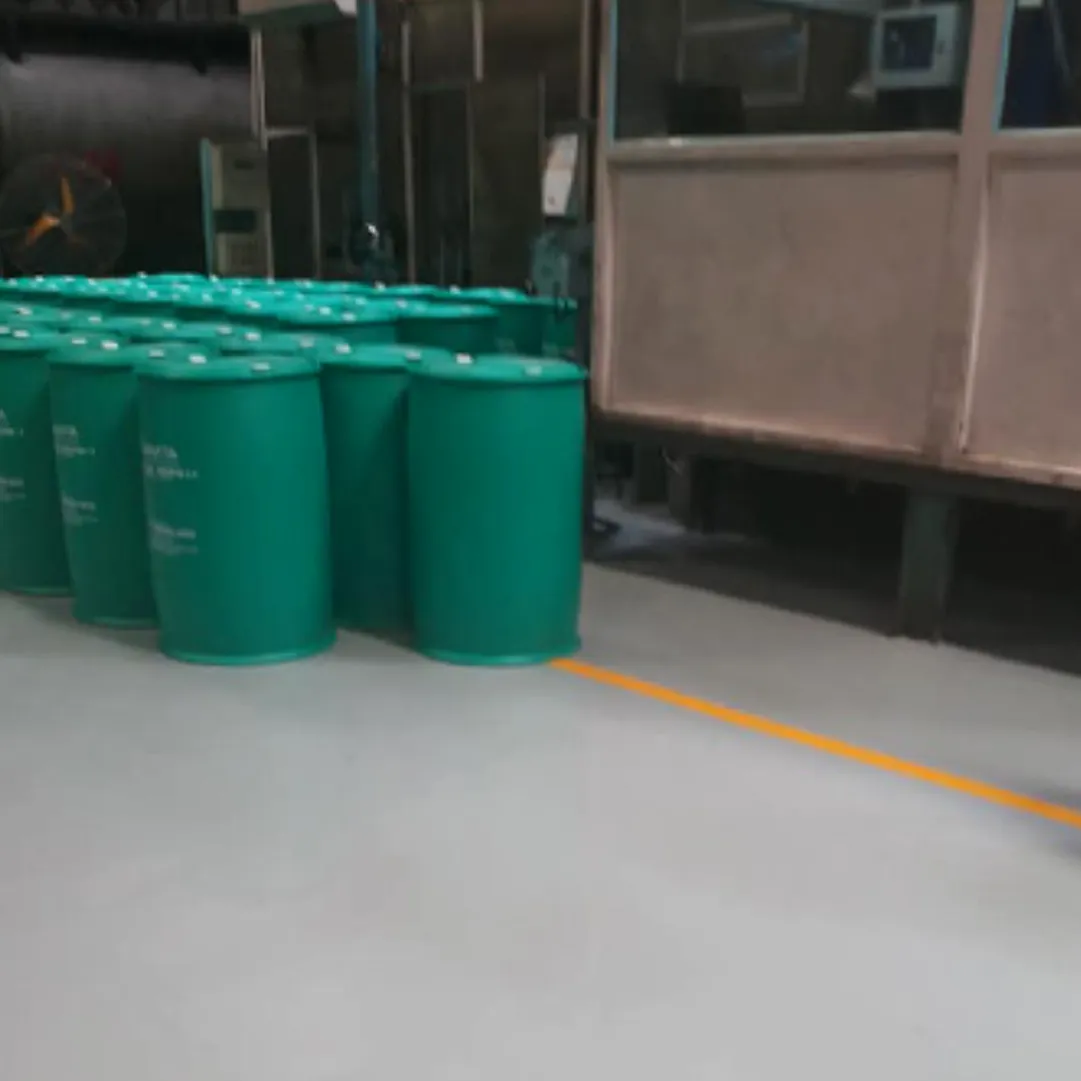


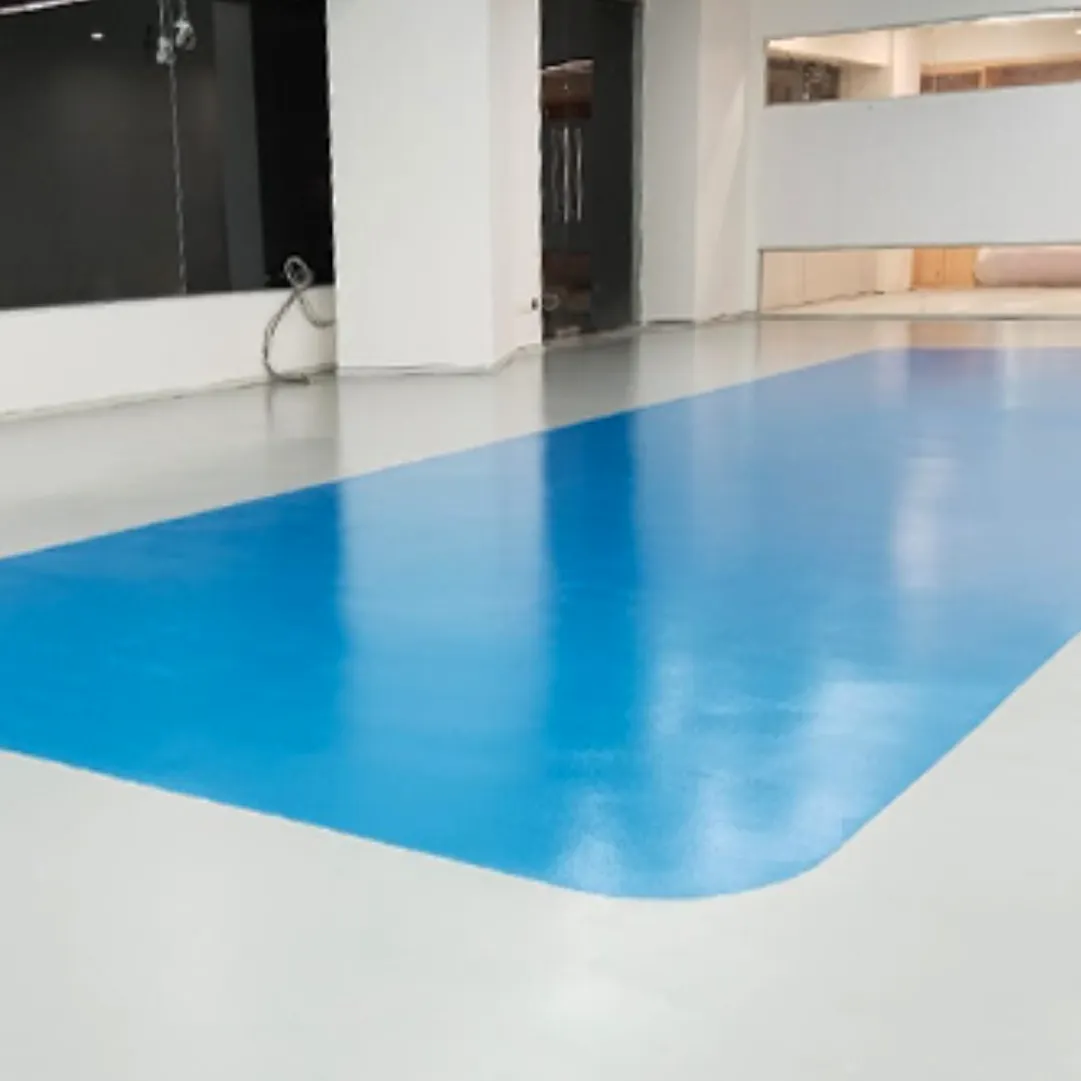
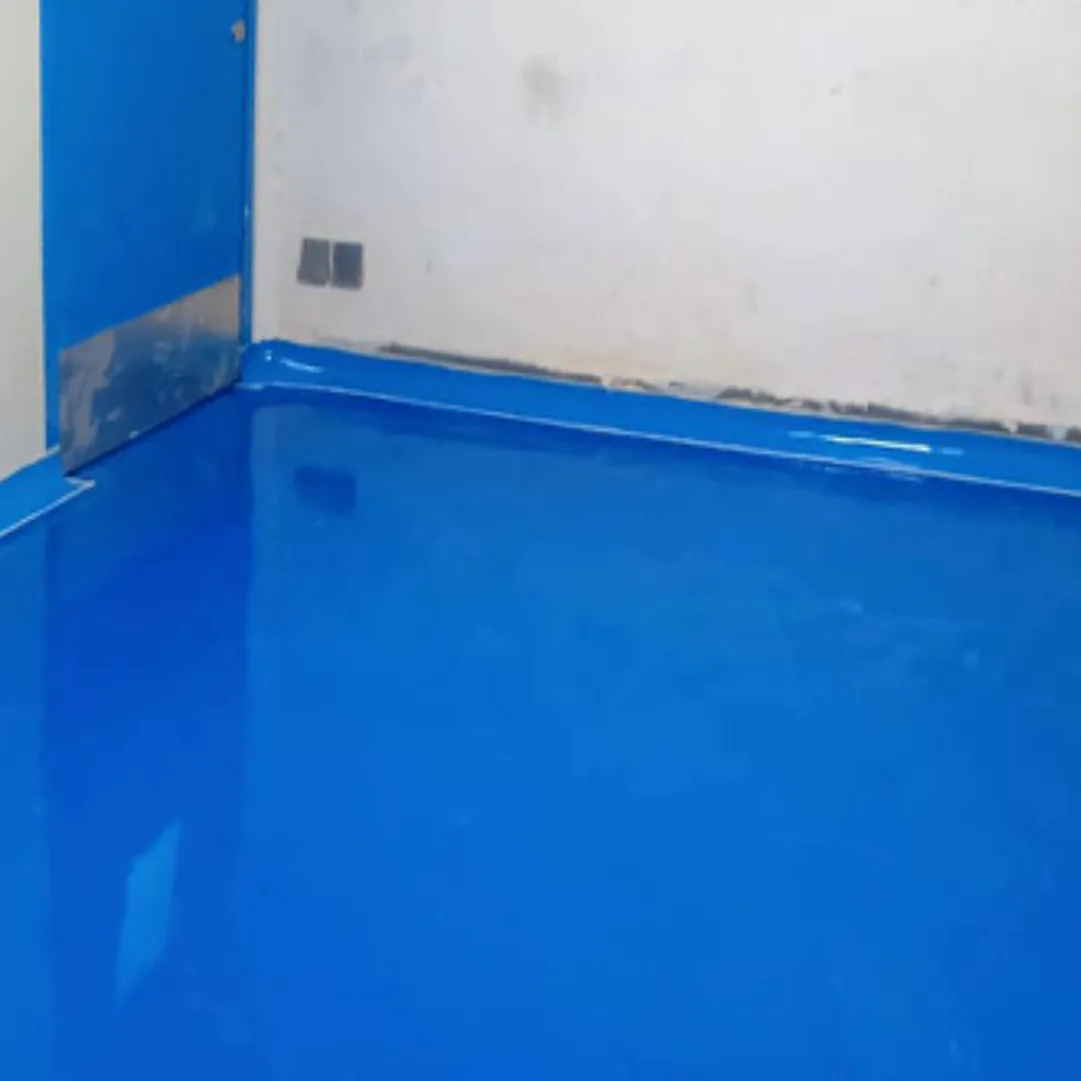
An epoxy floor coating can be applied for protective purposes on suitable concrete substrates, reduce dust formation, improve aesthetic appearance, and ease the process of cleaning. It can be used in industries, warehouses, workshops, and commercial areas.
Epoxy floor paint tends to be used for thinner coatings, but epoxy coating can also apply to other types of coatings. There really isn’t any distinction since it all depends on what kind of product and how thick it is.
A 500-micron epoxy coating means a coating of nominal 0.5 mm. It may suit some lighter-duty applications, provided the concrete surface is suitable and the product claims so.
Yes, it may be appropriate for industrial floors requiring low traffic, general protection or dust suppression.
Traditional epoxy coating is usually applied in a thin layer, mostly with a roller or brush. Self-levelling epoxy coating is designed to spread in a smooth layer, and its thickness may be higher.
There are multiple factors that influence cost estimation, including thickness, materials used, condition of the floor, floor preparation, overall area, etc. Therefore, a quotation based on an actual project is more accurate than just a price.
What is Epoxy Floor Coating? It is a system of protection of the floor which is applied to the appropriate base (usually concrete) and which is protected with a protective material consisting of epoxy resin. Following curing, the material creates a bonded surface layer, which helps to protect the surface and to create a cleaner, more uniform appearance of the floor.
Various different thicknesses and types of epoxy coatings are available. This is a thin coating system in comparison to a thick self-leveling epoxy flooring system, which is 4–5 mm thick. Often used for surfaces to be protected and enhanced in appearance without resins needing to be increased.
Cost of Micron Epoxy Floor Coating
400-500 micron epoxy floor coating is primarily used to coat over a properly prepared surface to provide protection. A micron is 1000 microns, and 400-500 microns is approximately 0.4-0.5 mm. The coating may be applied by the use of rollers or other suitable application techniques depending on the product used, onto the substrate. That's why the epoxy systems, which are coated onto the surface with a roller, are called epoxy roller coating. The number of coats, application method, and amount of material should be in accordance with the manufacturer's instructions; it depends on various factors.
Key Features of the Epoxy Floor Coating
Here are some of the features of epoxy floor coating:
1. Protective Surface Layer
The coating serves as a protectant to the concrete. When selected and installed properly, it can render the surface resistant to normal use and help to restrict direct contact with the normal contaminant environment (substrate).
2. Improve Textiles Technique (3)
Epoxy floor coatings are a coat that can enhance the look of a concrete floor. It can provide a smooth colored or shiny finish, depending on the product chosen, and is also suitable for industrial and commercial use.
3. Easier Cleaning
A properly cured surface will result in a far less porous surface than raw concrete. This can make it easier to clean regularly, which can help reduce the amount of dust accumulating on the floor.
4. Resistance to Selected Chemicals
Some epoxy coating systems are resistant to some oils, cleaning solutions, and chemicals. Actual resistance is dependent on the formulation, concentration, temperature, and exposure time. Check chemical compatibility prior to installation.
5. Reduced Concrete Dusting
Under normal usage and abrasion, dust may be emitted from concrete without any coatings. It can be applied in specific workshops, storage rooms, and production plants using the appropriate epoxy coating.
6. Multiple Color Options
Available in various colors and finishes, the epoxy floor coatings do the same. Color can be used to help ensure that the business is one color or to highlight a contrast between individual work areas.
7. Practical Maintenance
Regular sweeping, mopping, and cleaning with appropriate products will help to maintain the coating. Any areas of damage should be assessed and rectified if necessary to prevent any further damage being caused.
Industries Served in Thane
Technologies offers a range of epoxy floor coating products for a variety of commercial and industrial applications.
- Production Units: For the manufacturing units, floors are needed for frequent walking, equipment usage, and cleaning. A suitable epoxy surface coat may contribute to the protection of the concrete surface while maintaining a clean working surface.
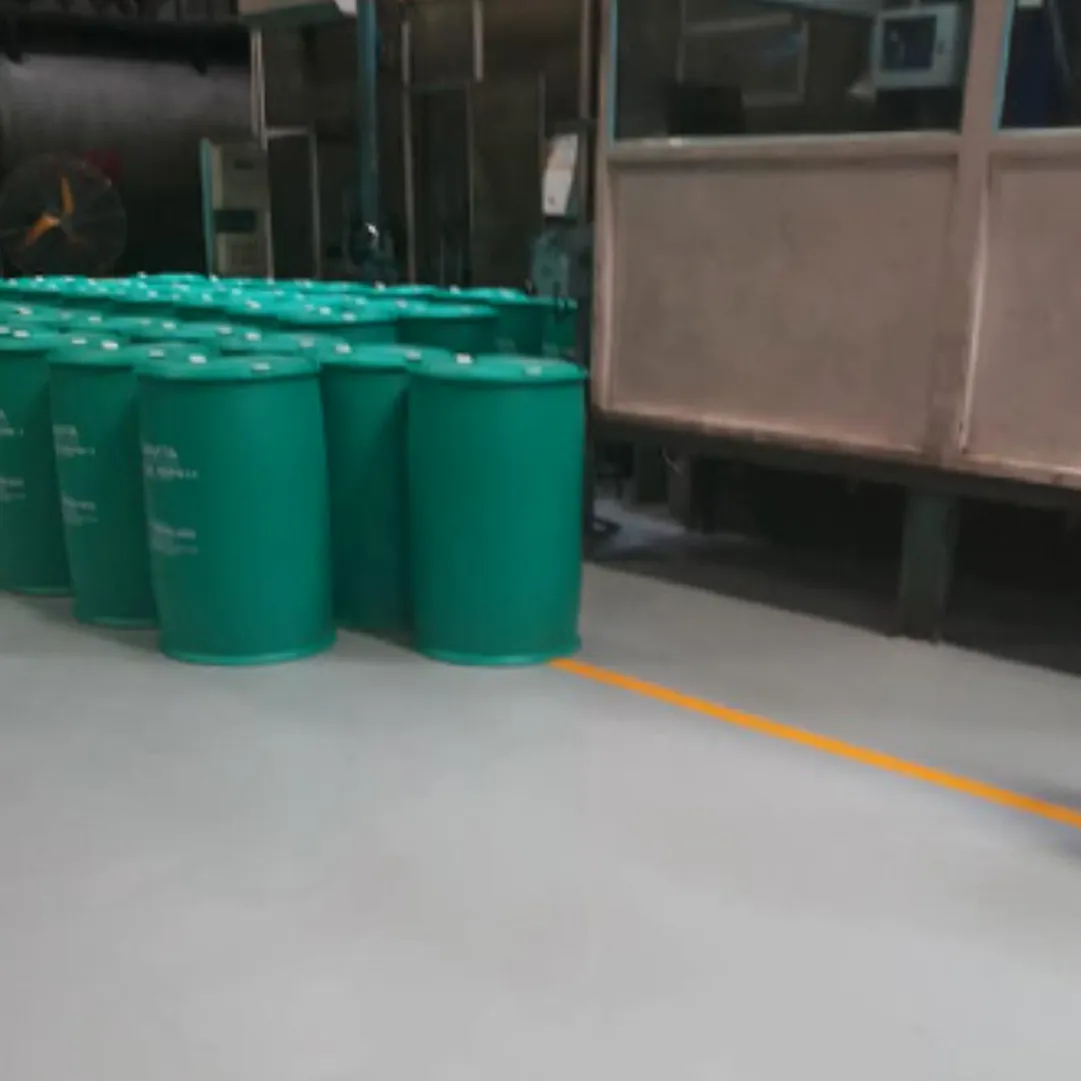
- Warehouses and Logistics Facilities: Walking and sometimes even trolleys or vehicles are not uncommon in the warehouse. The coating specification should be chosen, depending on the real load and traffic.
- A coated automotive workshop floor can be easily cleaned after exposure to the proper oils and contaminants found in the daily operations of the workshop.
- Commercial Buildings: Epoxy floor paint can be used in various commercial buildings such as offices, retail, service, and well-selected commercial areas to improve the appearance of existing concrete floors.
- Selected areas in Engineering and Fabrication Units in Thane: Surface protection and easy cleaning are important, and epoxy coatings are considered in selected areas. Welding sparks and hot metal, heavy impact, or abrasive materials may be found in coils or similar; care must be taken in these areas.
- Packaging and Assembly Units: Coated floors can help to keep the working area clean and help with regular housekeeping. Epoxy coating may be a useful surface for specific areas in utility, storage, and maintenance rooms where concrete surfaces are not intended to be utilized for several functions.
Applications of Epoxy Floor Coating
Several applications can be epoxy coated with a 400-500 micron epoxy, depending on the condition of the substrate and requirements of the site.
Common applications include:
- Commercial & Light industrial Concrete floors.
- The suitable traffic condition warehouse storage areas.
- Workshops & Maintenance rooms.
- The packaging and assembly areas.
- Rooms such as service areas and utility rooms.
- Indoor corridors and places of business, chosen.
- Floors that would benefit from enhanced appearance and less dusting.
- All refurbishing of concrete floors.
Epoxy Paint vs Epoxy Coating
The distinction between epoxy paint and epoxy coating is mostly related to the formulation of the product, dry film thickness, application, and performance.
The term epoxy floor paint is often used to refer to any thinner that is used in the concrete epoxy floor finishes. May improve the look of the floor and provide some resistance to most common wear and known pollutants. Epoxy floor coating can be applied to a broader range of systems that can be applied at a thicker application, have higher bond strength, or can provide chemical and abrasion resistance. But the terminology isn't consistent among all the suppliers. Depending on the specific paint product, it can be referred to as an epoxy coating.
Epoxy Floor Coating—How To Apply It:
Step 1: In the first step the current floor is examined
A thorough check of the surface should be made to look for cracks, loose materials, grease, moisture, and previous coating. Prior to work, any conditions that may impact adhesion should be identified.
Step 2: Once the surface is ready, the next step is to prepare the surface for painting.
The surface is treated to remove the weak layers in the surface through mechanical grinding or other suitable surface preparation methods to allow for the desired surface texture. Dust, oil and other contaminants should be eliminated using the appropriate method.
Step 3: Repair Defects
Cracks, damage, and unevenness may require materials that are compatible with the material of the wall. Any moisture issue needs to be addressed prior to the epoxy application.
Step 4: Use the Primer
If needed for the system selected, a compatible primer is utilized for bonding between the concrete and epoxy coating. The manufacturer's instructions should be followed when setting up the primer.
Step 5: Coat with Epoxy
The epoxy parts are combined in the correct ratio and applied using a roller or other application method shown. The installer must take care in the amount of material used and thickness of the film to achieve the desired thickness of 400-500 microns.
Step 6: The Curing Time details
The floor will be protected until the coating is cured. Wait until the product is cured before starting to walk on it, to move the equipment or to introduce chemicals. Use conditions (temperatures and humidity) that are in accordance with the manufacturer's recommendation.
How Many Epoxies Will You Need to Paint the Floor?
The amount of coats of epoxy floor paint will vary depending on the product and thickness desired. One or more epoxy coating layers combined with a primer could form a typical system. There are products that are created for a particular series of uses.
The coats for a 400-500 micron system will depend on the technical data sheet from the manufacturer and the dry film thickness. Not all materials are treated with 2 coats for the 500 micron finish, depending on the material, wet film thickness, and quantity of material treated.
Epoxy Floor Coating Cost Per Square Foot
The price of epoxy floor coating per square foot will vary according to the materials used, job size, site conditions, and installation specifications. This price is subject to change from facility to facility.
The main factors that affect the epoxy coating rate per sq ft are:
- Overall building volume (sq. m.) and project location.
- Need 400 – 500 microns of dry film.
- Type and quality of the epoxy (resin) material.
- Surface grinding and surface preparation requirements.
- Other treatments to the substrate can be considered, such as crack repairs.
- Number and type of coating layers and primer.
- Requirements for color, finish, and resistance to chemicals.
- Labor, equipment, site access, and scheduling.
The Longevity of an Epoxy Floor
The life of the epoxy floor coating will depend on the type of coating used, surface preparation, the quality of the epoxy application, traffic, maintenance, and exposure conditions. This service life is not guaranteed by the system but can be considered for several years with appropriate selection and installation procedures; if these procedures are used, they will include a consideration of the actual site conditions.
The coating might last less if the vehicles move frequently, the vehicles' abrasive materials, heavy loads, harsh chemicals, moisture, and poor concrete preparation. The coating should be checked, repaired, or renewed as necessary, depending on the use, in areas where greater demands are made on the coating.
Why Choose Us For Business in Thane
Not just the price is important when hiring an epoxy flooring service provider. The coating should be reflective of the actual condition of the floor and the work done in the facility.
We take the time to find out what the project needs and then make a recommendation on the appropriate coating system.
- Application-based recommendations, which involve using a floor, the expected traffic, and surface conditions, will be discussed before a 400-500 micron system is discussed.
- Acute attention to Surface Preparation The surface should be prepared as well as possible by grinding, cleaning, and repairing to provide a suitable base for the coating.
- Selection of the epoxy product, appearance, and anticipated exposure conditions to be suitable.
- Controlled Application Mixing, spreading, and thickness control are critical for the application to achieve optimum coating performance.
- When preparing an estimate, we consider the amount of space on the floor, preparation needed, type of materials being used, and the number of coats.
- Practical Project Planning We support our customers with preparations/patient curing to enable project installation dates to be planned to match site activities.
The Local hub for Epoxy Floor Coating Services is Thane
Any business looking for epoxy floor coating in Thane can use a 400–500 micron system to coat their floors in light industrial, commercial buildings, workshops, and warehouses for appropriate concrete floors. We assist clients in determining the characteristics of their floor, the type of coating they require, and what is needed to prepare the surface before installing coating Solutions in areas like Mumbai, Pune, Navi Mumbai, Nashik, Nagpur, Aurangabad (Chhatrapati Sambhajinagar).
Call for a Quote for Your Warehouse Floor Coating
Call Coatexx Industrial Solutions if you'd like to get a quote for a warehouse floor coating or talk about the needs of 400-500 micron epoxy floor coating. Tell us the location of your project, the size of the floor, and the condition of the existing floor.
Get a site visit and a clear quotation from Coatexx Industrial Solutions.