Typical Cove Height
Finishes
Installation and Curing

What is Epoxy Floor Coving?
Epoxy floor coving is an aspect of floor detailing which involves creating a curved surface at the point of intersection between the epoxy floor and a vertical surface such as a wall, kerb, column or any other structure. Coving is part of the whole flooring system and is normally used in industrial and commercial settings where having a clean connection between floors and walls is important. Coving serves not just an aesthetic purpose but also reduces the risk of dirt collecting in sharp corners.
When working in industrial settings, the epoxy cove joint needs to be appropriate for the conditions under which it is to be used. This could mean areas where there is pedestrian traffic, regular cleaning, exposure to moisture and even some chemicals. If there is any sort of wet processing involved then a coving system that supports proper cleaning and is hygienic may be required.
The epoxy floor coving is normally installed through the use of an epoxy mortar or a specially made epoxy coving compound. Prior to installation, both surfaces need to be checked carefully. Any loose plaster, damaged concrete, old paint, dust, grease, and any other contaminant present needs to be considered since it will have an effect on the adherence of the coving.
|
System |
Layers |
Typical Dimensions |
Best For |
|
Standard epoxy coving |
Prepared substrate + epoxy mortar cove + compatible protective finish |
50–100 mm cove height* |
Commercial and industrial floor-wall junctions |
|
Heavy-duty epoxy coving |
Prepared substrate + resin mortar cove + chemical-resistant seal coat |
100–150 mm cove height* |
Industrial areas exposed to frequent cleaning and higher wear |
|
Hygienic epoxy coving |
Prepared substrate + smooth-radius epoxy cove + compatible seamless floor finish |
Site-specific radius and height |
Laboratories, clean production areas and hygiene-sensitive facilities |
We study how the floor is used and test the slab before recommending anything.
A written quotation with the right system, layer build-up and timeline.
Work zones, shifts and access agreed so your production carries on.
Grinding or shot blasting opens the concrete for a strong bond.
Cracks, joints and uneven areas repaired and levelled flat.
A penetrating primer seals the slab and bonds every layer above it.
Body coat and topcoat go down within the manufacturer's recoat window.
Inspected, tested and handed over with clear usage guidance.
- Creates a continuous transition between floors and walls.
- Reduces dirt accumulation at floor-wall corners.
- Supports cleaning protocols in suitable production and processing areas.
- Helps protect floor-wall junctions from routine washdown when correctly detailed.
- Resists selected chemicals depending on the epoxy formulation.
- Helps protect vulnerable wall bases from routine impact and wear.
- Requires clean, sound and properly prepared floor and wall surfaces.
- Needs careful shaping to achieve a consistent cove profile.
- The area must remain undisturbed until the material has cured sufficiently.
- Structural movement may cause cracking or separation at junctions.
- Damaged sections may require local repairs and finish matching.
- Existing floor coatings and wall finishes must be compatible with the epoxy system.
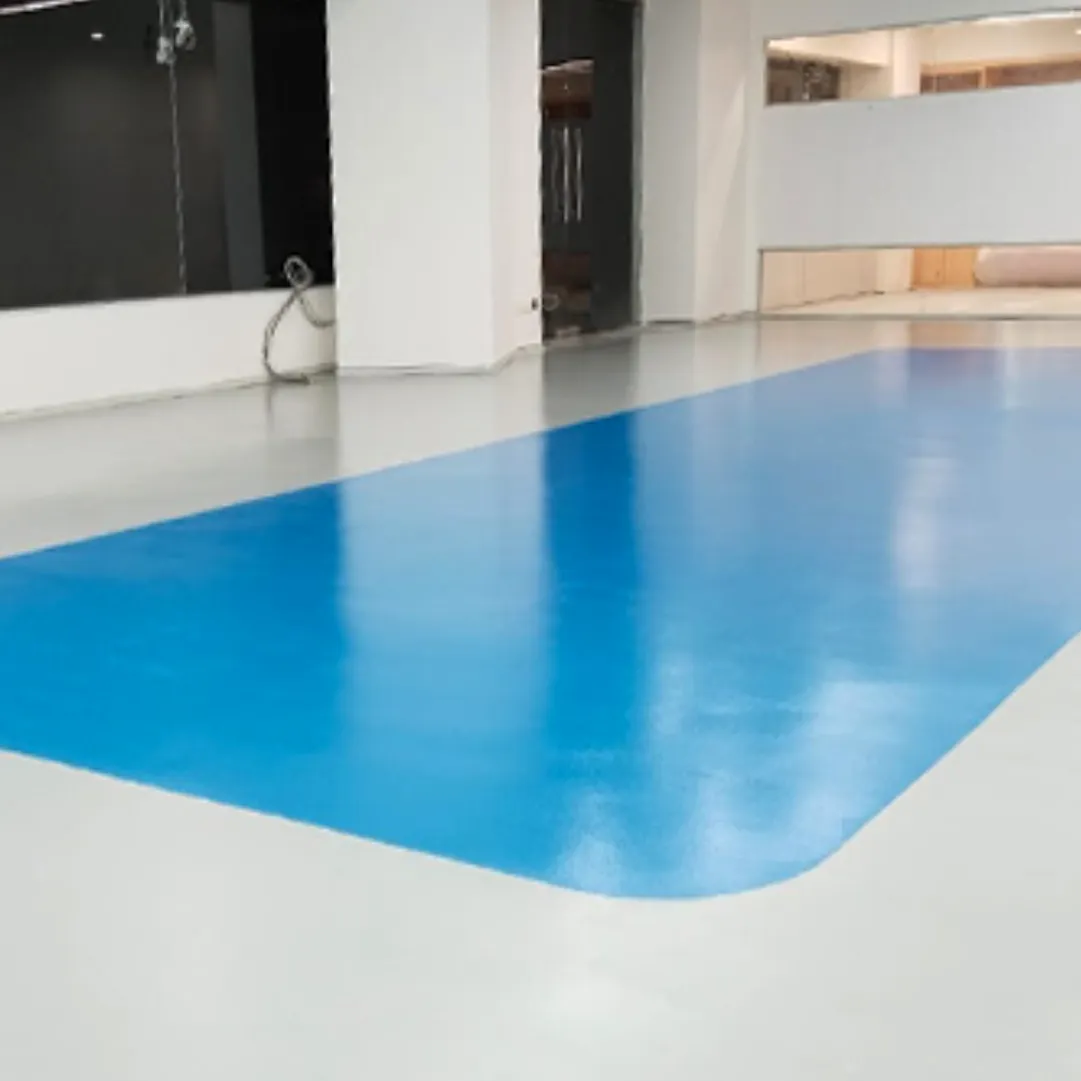
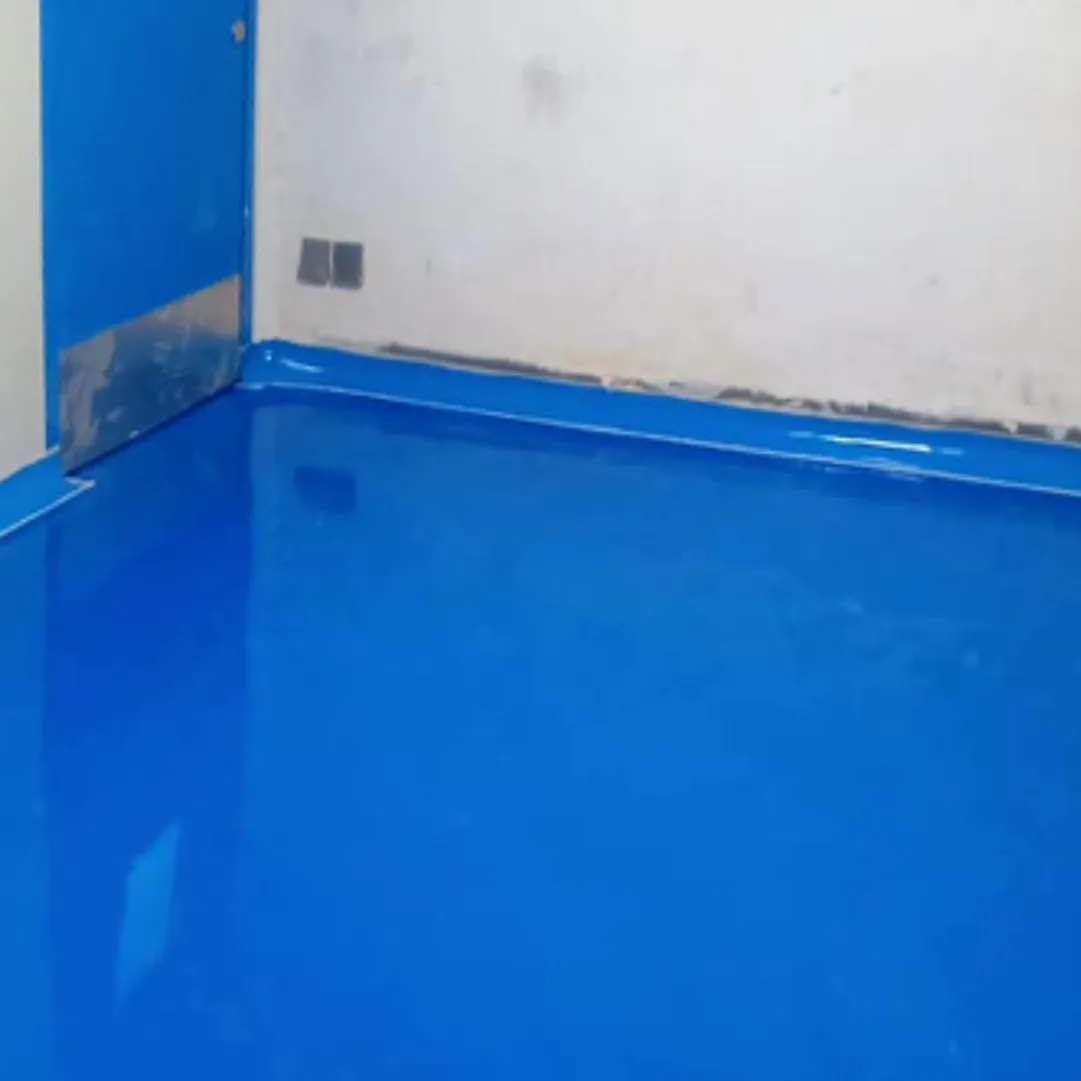


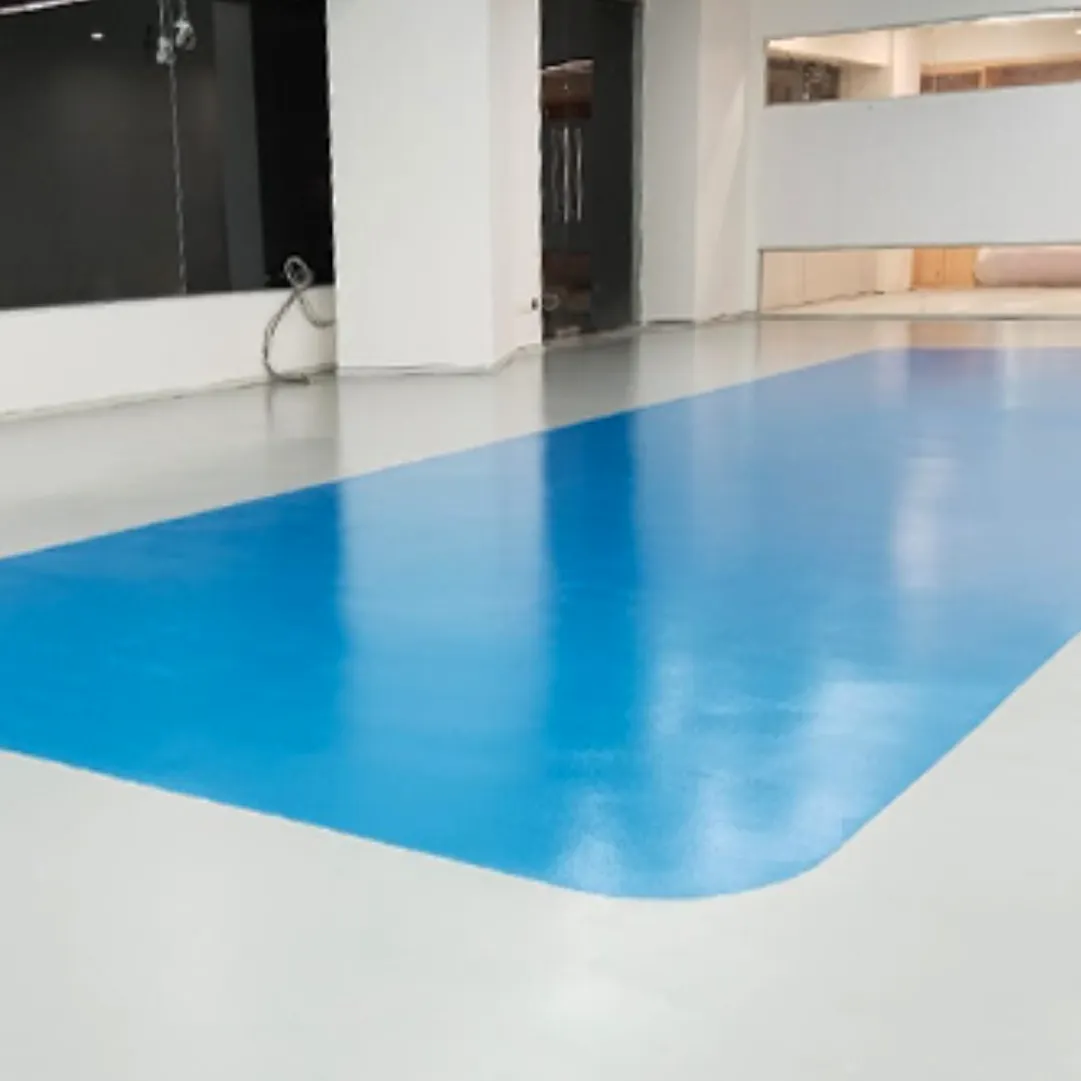
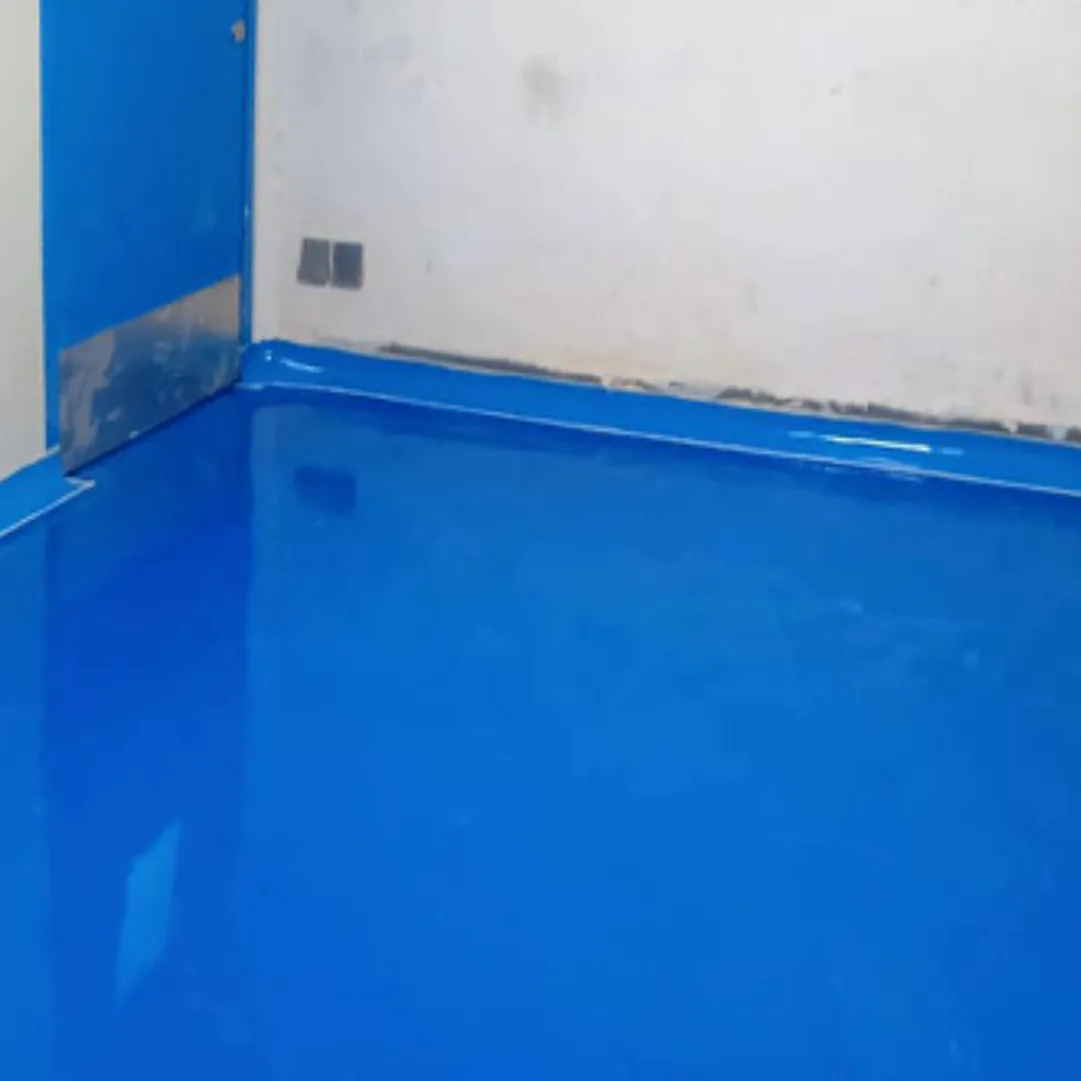
Epoxy coving creates a rounded connection in the joint area of the floor and walls. The coving system simplifies the cleaning process and is often used in industry, pharmaceuticals, food industry, and clean rooms.
In conventional skirting, a horizontal line is created along the lower edge of the wall, while the coving makes a rounded connection of the floor and wall. Industrial coving can be used for improving the accessibility of the surface for cleaning.
It is a nominal 75 mm coving measurement. Drawing or specification should make clear whether this measurement is based on the height, width or any other coving profile measurement.
Epoxy coving can be considered if material and coving profile correspond to the needs of the cleanroom.
Coving assists in reducing sharp corners where walls meet the floors and cleaning such junctions. Coving is used as a means of good hygiene but does not take the place of good sanitation and contamination control measures.
It varies with running meters, profile size, material used, surface preparation, repairs and corners. Site-based quotation is more accurate compared to a general pricing.
CoatEXX Industrial Solutions provides solutions regarding flooring and surface finishing in industrial and commercial areas. Epoxy coving services in India are useful in those places where there is a need to create a smooth and easy-to-clean junction between floor and walls. Places where epoxy coving is useful include pharmaceutical factories, food processing units, laboratories, cleanrooms, hospitals, and other places that have hygienic importance.
At these places, dust, moisture, product, and other contaminants may accumulate at the junction of the floor and the wall due to difficulties in cleaning the area. Epoxy coving provides a curving transition between floor and wall and hence makes the cleaning easier.
The choice of the coving system will depend upon the existing floor and wall, methods of cleaning and hygiene standards.
Epoxy Coving: Types, Uses, Installation, and Price
Epoxy coving is a type of round-shaped floor-to-wall junction formed from epoxy or coving system compatible with epoxy. The design prevents having a sharp 90-degree angle but rather creates a rounded angle joining the horizontal floor and vertical wall.
It helps prevent the formation of dirty spots within the area. In addition, it becomes easy to clean because cleaning devices will have access to the joint.
The epoxy coving installation is mostly done alongside other resin floors, which include epoxy floors. It is available in various profile shapes depending on the building layout and cleaning needs.
What Is Coving in a Cleanroom?
What is coving in cleanrooms? This is the creation of a smooth and rounded transition from the floor to the walls in order to assist in cleaning and minimize inaccessible corners.
Cleanrooms may be employed for applications such as pharmaceuticals, electronics manufacturing, labs, medical devices manufacture, and other cleanroom applications. Different uses of cleanrooms may have different demands regarding dust, cleaning processes, surfaces, and contamination.
The corner that is created by a square transition from the floor to the walls may not be easily cleaned like the continuous curved junction created by cleanroom coving.
The Need for Cleanroom Coving?
Cleanroom coving plays an important role in keeping the clean environment because it removes the sharp edges. It has several advantages depending on its material, shape, installation, and maintenance.
These include:
- Smooth junction: Coving with a smooth profile allows easy reach at the floor-wall junction.
- Reachability for cleaning: The cleaning equipment can follow along the curve without having to go around any sharp edges.
- Contiguous junction: A well-finished cove may help to eliminate the gap at the junction.
- Resistance to Cleaning Products: The covering material needs to resist the approved processes of cleaning and sanitization.
Coving needs to be supplied in conjunction with the flooring and wall finishing systems. The proper detailing of transitions, openings, and changes in direction should be done.
Why Coving Is Required in Pharma
The main point that justifies the use of coving in pharmaceuticals is related to cleaning, contamination control, and the level of hygiene required in the production area. The factory can produce the raw materials, intermediate goods, final goods, and even machinery. The level of hygiene depends upon the activity performed in the area.
Coving could help to eliminate problem areas like corners which could collect dust. Continuous joining also helps with easier inspections. Disinfectants, detergents, and other types of cleaning chemicals are used in pharmaceutical areas. It is important to consider the compatibility of the chosen epoxy coving system with the mentioned chemical cleaning process.
Coving for Food Industry Areas
Coveting in the food industry involves facilities where cleaning, sanitizing, and residue control of foods are essential. Some of the facilities where coving can be found include commercial kitchens, food processing plants, dairy plants, beverage manufacturing plants, packaging plants, and food storage facilities.
The floor and walls in food environments are subjected to exposure to water, oils and fats, cleaning fluids, temperature changes, and constant washing. The installation of coving will facilitate an easy-to-clean joint compared to a non-coved joint.
Material selection for such coving will depend on the environment that the facility operates under. A dry packaging facility will require different types of materials from a wet processing facility using hot water and chemical cleaning solutions.
Some of the things to consider before installing such coving are:
- Frequency and mode of cleaning.
- Contact with food, oil, and cleaning agents.
- Temperature of washing water and the ambient atmosphere.
- Proper drainage, sloping of floors, and prevention of puddles.
- Suitability of the cove with the floor coating.
- Requirement of a material that is non-absorbent and easy to clean.
An efficient installation of coves may help in maintaining hygiene, yet it should not be an isolated effort from the entire floor and drainage design.
Cove Skirting and its Major Types
Cove skirting refers to a specially shaped trim fitted on the bottom part of a wall at the point it meets the floor. It is distinct from ordinary decorative skirting, which makes use of straight strips and creates an angular joint at floor level.
Industrial coving is chosen depending on how well it performs in terms of accessibility, adhesion, and resistance to site conditions.
Popular types include:
1. Epoxy Cove Skirting
Epoxy Cove Skirting is constructed using epoxy-based materials which can be incorporated into compatible resin flooring.
This type of connector can be used in industry and other places where resistance to abrasion is essential.
The correct material and profile selection will be based on the floor system, substrate type, chemical resistance, and cleaning method.
2. PVC Cove Skirting
PVC Cove profiles can be specified for particular commercial applications. This will depend on the level of hygiene, temperatures, chemicals, and the compatibility of the profile and adhesive with the surroundings.
3. Resin-Based Cove Systems
Resin cove skirting is constructed using compatible resin-based materials and aggregate when necessary. They can be manufactured to form an integral junction with a resin-based floor.
The choice of the systems to use should be dependent on performance criteria.
Epoxy Cove Skirting 75mm: When Is It Suitable?
"Epoxy Cove Skirting 75mm" means that the size of cove in question is 75 mm. It can refer either to the vertical, or horizontal measurements of the cove, and therefore, it must be stated in the project drawings.
75 mm cove could be considered as acceptable in certain industrial or hygiene critical areas due to its small and rounded transition. However, it is not indicative of the sizes of all the cleanrooms, pharmaceutical plants, and food processing facilities.
The size of the profile will vary depending on the cleaning, wall and flooring construction, equipment configuration, and specifications of the project. It could be larger when there is a need in wider rounded transition. It could also be smaller in areas of restricted clearance.
Prior to installation, it should be ensured that all details about the size of coves, radius, material and connection with floor finish have been specified. Additionally, it should be noted how the corners, doorframes, columns and floor drains are going to be treated.
Coving Radius Size and Profile Selection
The size of the radius will influence whether there will be a sharper or broader transition from the floor to the wall.
The right radius will vary depending on the location, cleaning equipment used, the design, and the requirements of the project.
Some of the aspects that should be considered when choosing a profile include:
- The type of cleaning equipment used in the facility.
- The height and width of the necessary cove.
- The thickness and profile of the floor coating that currently exists.
- The material and condition of the wall at the floor level.
- Whether continuity is needed along corners, columns and doorway locations.
Any drawings provided by the facility’s designer.
What Is Meant By Coving Pencil Work?
The general description of coving pencil work is where the shaping and finishing of the profile is done in order to achieve neat and even transitions. However, in some instances, this phrase is used casually by the contractors; hence, the actual nature of work must be specified.
This is very crucial because the coving must come into contact with the surfaces of the floor and walls in such a way that there will be no areas of roughness, voids, and abrupt change of the profile. This step calls for consistency of the material, the use of the right tools for shaping, surface preparation, and curing. It is also the responsibility of the installer to ensure that the bond between the coving and the two surfaces is done properly.
While quoting the contractors, find out if profile shaping, corner finishing, surface smoothing, and touch-up work have been included in the work description.
Epoxy Coving Installation Process
Professional installation of epoxy coving entails the preparation of the substrate, creating the profile, and making sure that the finished profile is compatible with the flooring around it.
Step 1: Site Assessment
An inspection is done to ascertain the floor and wall conditions, coating, any cracks, presence of moisture, contamination, and the needed profile dimensions. Issues of cleaning and chemicals are also addressed.
Step 2: Substrate Preparation
Loose debris, dust, grease, previous paint, and other contaminants are removed. The floor edge and wall base are then prepared by appropriate techniques.
Step 3: Repair and Primer Application
Repairs are made where necessary. Primer application may be needed in accordance with the instructions of the manufacturer of the system used.
Step 4: Application of Coving Material
The application of the coving material or specified epoxy compound takes place to form the desired curve. The installer ensures that the specified height, width, and radius is maintained during the process.
Step 5: Profiling
The coving material surface is smoothened and any gaps and rough patches are identified. This is especially true in the case of internal and external corners since they may be hard to finish.
Step 6: Curing
The coving material is left to cure under the prescribed conditions. The junction is inspected for adhesion and consistency of profile along with its compatibility with the existing finishes of the wall and floor surfaces.
Step 7: Handover
The applicator issues any appropriate directions for curing and maintenance. The surface must not come into contact with cleaning chemicals or any other operations until it has achieved a suitable degree of cure.
Epoxy Coving Price in India
The price of epoxy coving varies according to the profile size, material system used, substrate conditions, project size, and installation complexity. Quotation will be based on the running length of the coving rather than just the floor area but can depend on the contractor.
The major factors which impact on cost are:
- Profile size: The height, width, and radius determine what materials and profiles will be used.
- Surface preparation: Removal and surface preparation, as well as wall base preparation, can increase labor costs.
- Damages/repairs: If there is any damage to the concrete surface, if there is any loose plaster, if corners are not square.
- Material choice: The chosen epoxy or resin material system and chemical resistance determine the material cost.
To get a proper quotation, provide the total running length of coving, cove dimensions, location of the site, substrate condition, and application purpose. Request the contractor to provide the following details in writing: Material to be used, surface preparation, profile size, finishing process, repair work, and exclusions.
Very low pricing does not include surface preparation or corner detail work. Comparison of complete scope is better than price comparison.
Choosing the Correct Epoxy Coving Installer
It is imperative that the right installer understands the practical issues at hand and the importance of ensuring continuity at the floor and wall junction.
Before you hire your contractor, consider the following:
- Experience: Do they have any experience installing floors in similar projects within cleanrooms, pharmaceutical facilities, food manufacturing facilities, or other industries?
- Material type: Ensure the material being used is suitable for the substrate of the floor and wall.
- Size of profile: Verify that there is a clear indication of height, width and radius.
- Surface preparation: Find out how loose materials, contaminants, and poor substrate will be managed.
In hygiene-critical facilities, the specification of the coving should be considered along with the floor finish and cleaning process.
Ordering Epoxy Coving in India from CoatEXX Industrial Solutions.
When there is need for a planned industrial flooring and coving process, CoatEXX Industrial Solutions can be considered. It is essential for the selection of the appropriate method of installing coving to consider the nature of the building, cleaning methods, floor type, and the profile.
Irrespective of whether the area is pharmaceutical department, clean room, food manufacturing facility, laboratory or industrial building, it is important to determine the profile required for coving right from the beginning of the process so that the same determines the preparation process, material requirement, and cost involved.
If you need epoxy coving in India, please provide the following information: location of site, estimated length, profile size, floor type, and application. Contact Us Now!
Get a site visit and a clear quotation from Coatexx Industrial Solutions.