- Home
- Epoxy Flooring
- Self-Leveling Epoxy (2mm / 3mm)
Self-Leveling Epoxy (2mm / 3mm) Services
Thickness Range
Light Traffic Cure
Full Chemical Cure

What Is Self-Levelling Epoxy Flooring?
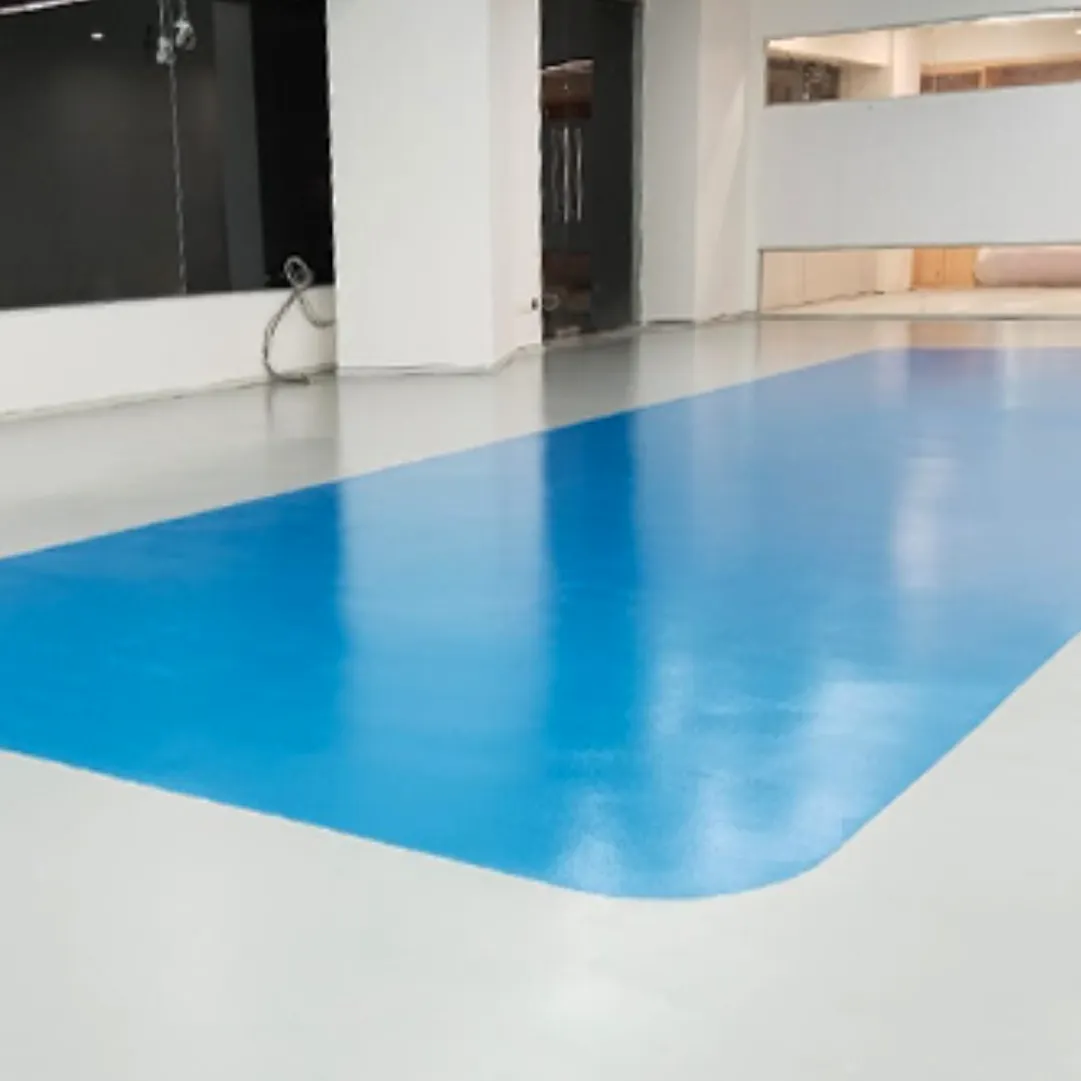
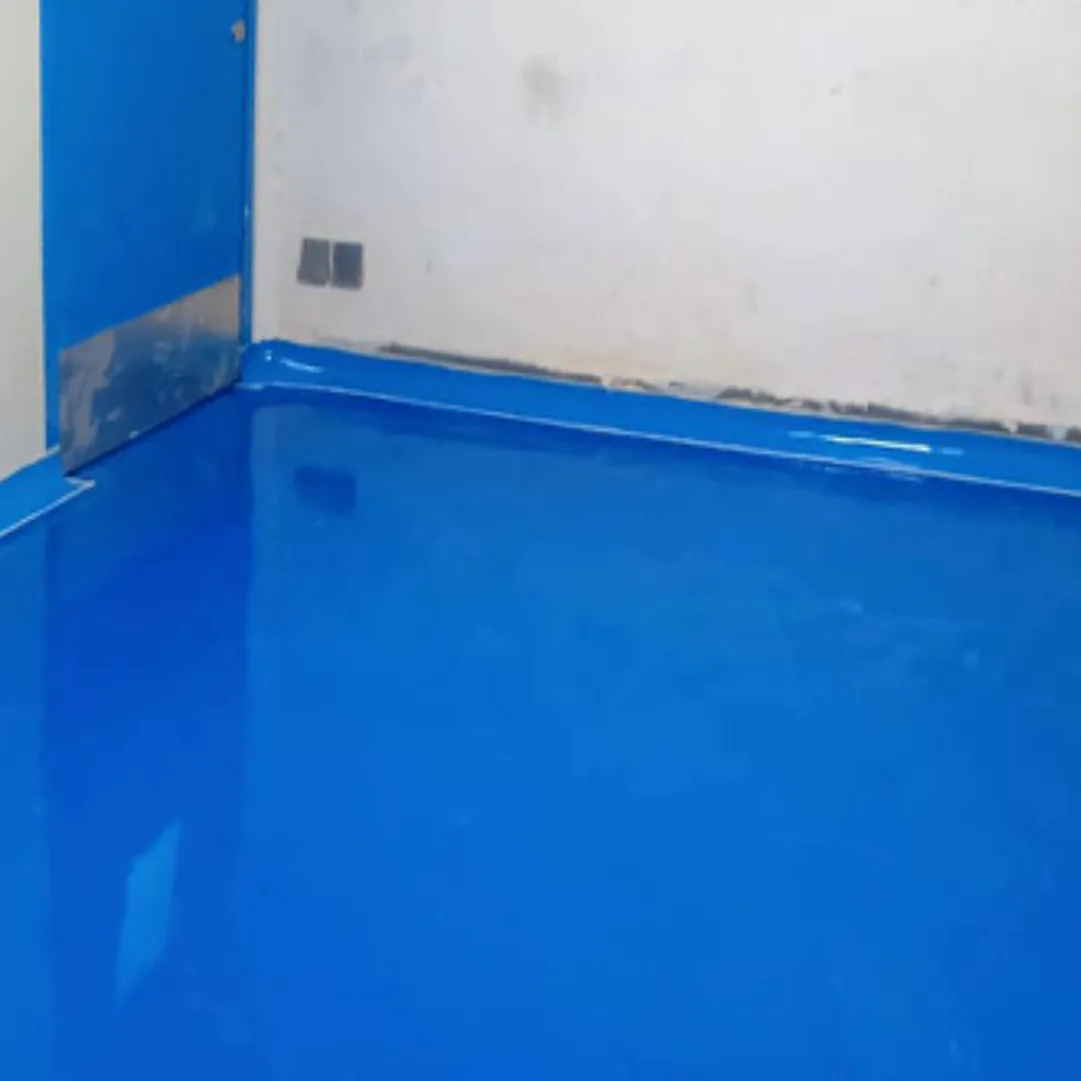
The self-levelling epoxy flooring system is made of epoxy resin and creates a flat, seamless surface by spreading the specially prepared mixture across the floor surface. It is usually composed of epoxy resin and a hardener mixed in the right ratio just before the start of application. The self-levelling epoxy flooring system is used in industrial facilities, commercial buildings, warehouses, laboratories, and other premises where such kind of flooring is necessary.
But it should be kept in mind that self-levelling coating cannot level the floor perfectly if cracks, deep depressions, uneven concrete, and damaged surfaces are present on the substrate. All defects should be considered and fixed before application of the flooring material.
2mm and 3mm are two types of self-levelling epoxy flooring systems. Depending on the requirements of the project, type of surface, and expected traffic, one should choose the most suitable one.
The following are the key features of the self-levelling epoxy flooring system: seamless coating, easy cleaning, and good performance in environments, where hygiene of the floor is significant.
|
Factor |
2 mm Self-Levelling Epoxy |
3 mm Self-Levelling Epoxy |
|
Thickness |
Nominal 2 mm system |
Nominal 3 mm system |
|
Typical application |
Light-duty and selected commercial areas |
Selected industrial and commercial areas requiring a thicker layer |
|
Surface preparation |
Important; defects must be addressed |
Important; defects must be addressed |
|
Material requirement |
Generally lower for the same floor area |
Generally higher for the same floor area |
|
Cost considerations |
Depends on product, preparation, and site conditions |
May cost more due to additional material and system requirements |
|
Final selection |
Based on traffic and substrate condition |
Based on traffic, substrate condition, and required performance |
We study how the floor is used and test the slab before recommending anything.
A written quotation with the right system, layer build-up and timeline.
Work zones, shifts and access agreed so your production carries on.
Grinding or shot blasting opens the concrete for a strong bond.
Cracks, joints and uneven areas repaired and levelled flat.
A penetrating primer seals the slab and bonds every layer above it.
Body coat and topcoat go down within the manufacturer's recoat window.
Inspected, tested and handed over with clear usage guidance.
- Creates a smooth, level finish for commercial and industrial interiors.
- Minimises joints, making routine cleaning and maintenance easier.
- Protects suitable concrete surfaces from wear and selected chemicals.
- Provides an intact, easy-to-clean surface compared with untreated concrete.
- Creates a joint-free surface that supports cleanliness and a neat appearance.
- Offers a durable finish that helps reduce concrete dusting and surface deterioration.
- Requires proper surface preparation for effective adhesion.
- Not suitable for damp surfaces without moisture control.
- Can be slippery when wet without an anti-slip finish.
- May scratch under heavy dragging or sharp impacts.
- Requires curing time before full operational use.
- May require periodic maintenance or recoating in high-wear industrial areas.
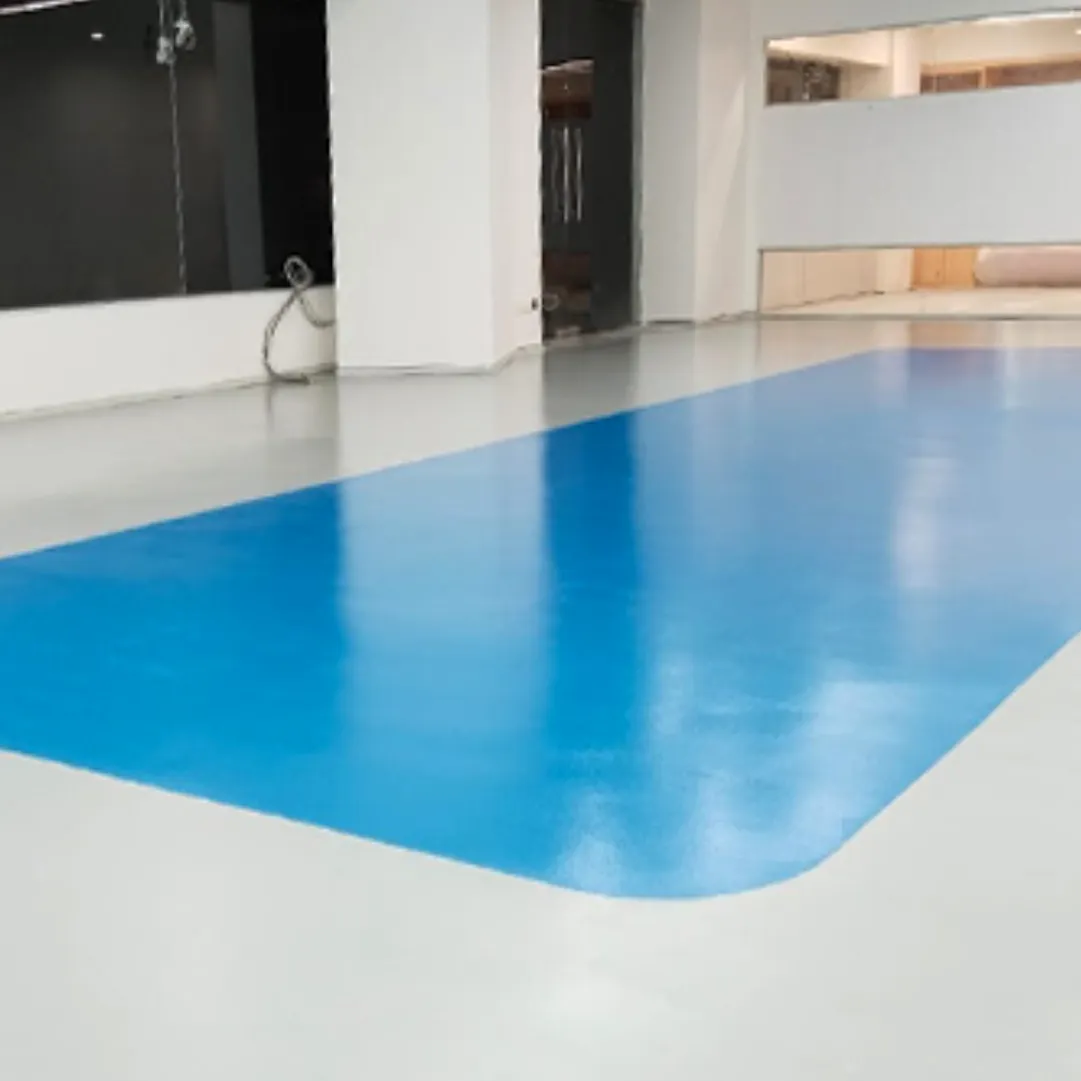
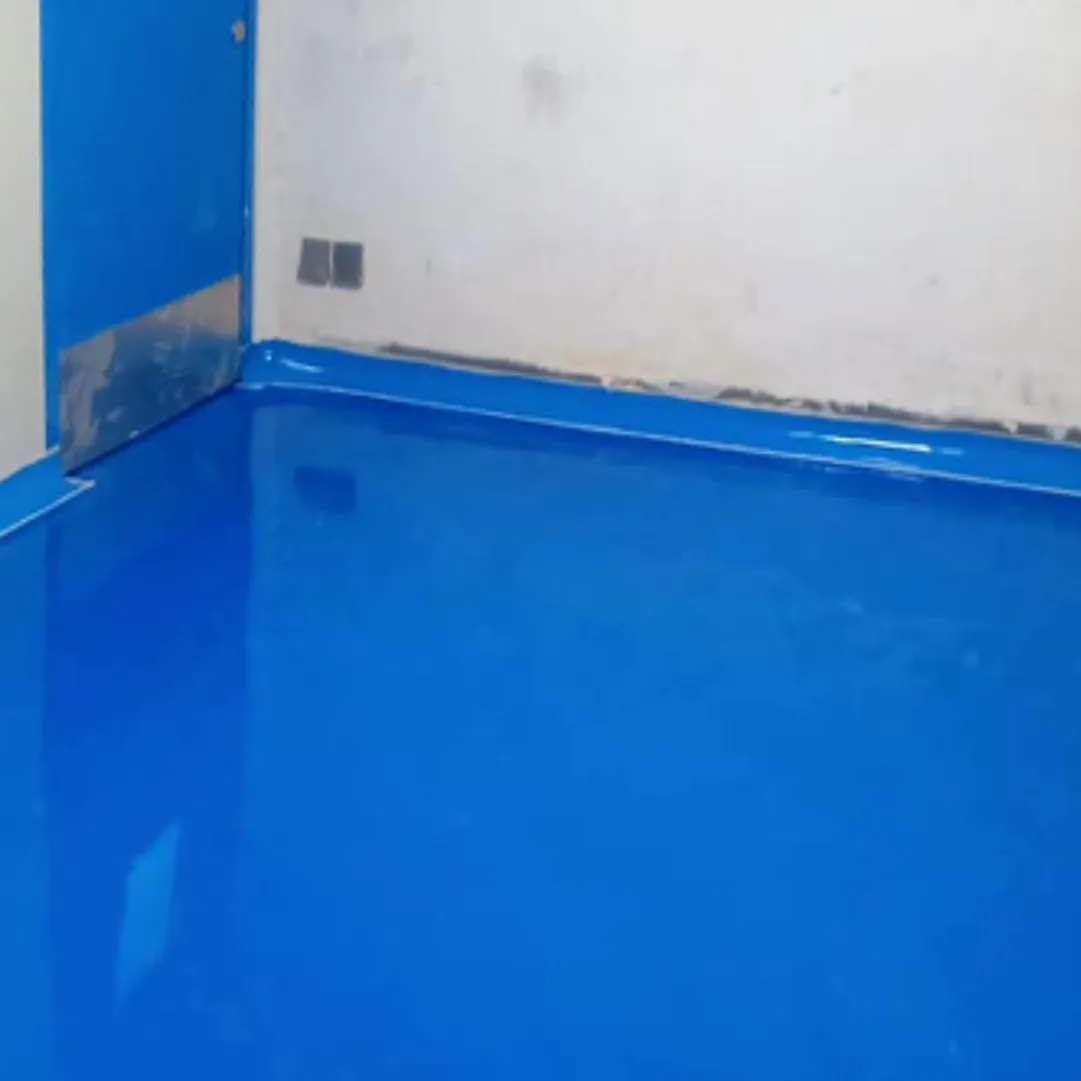
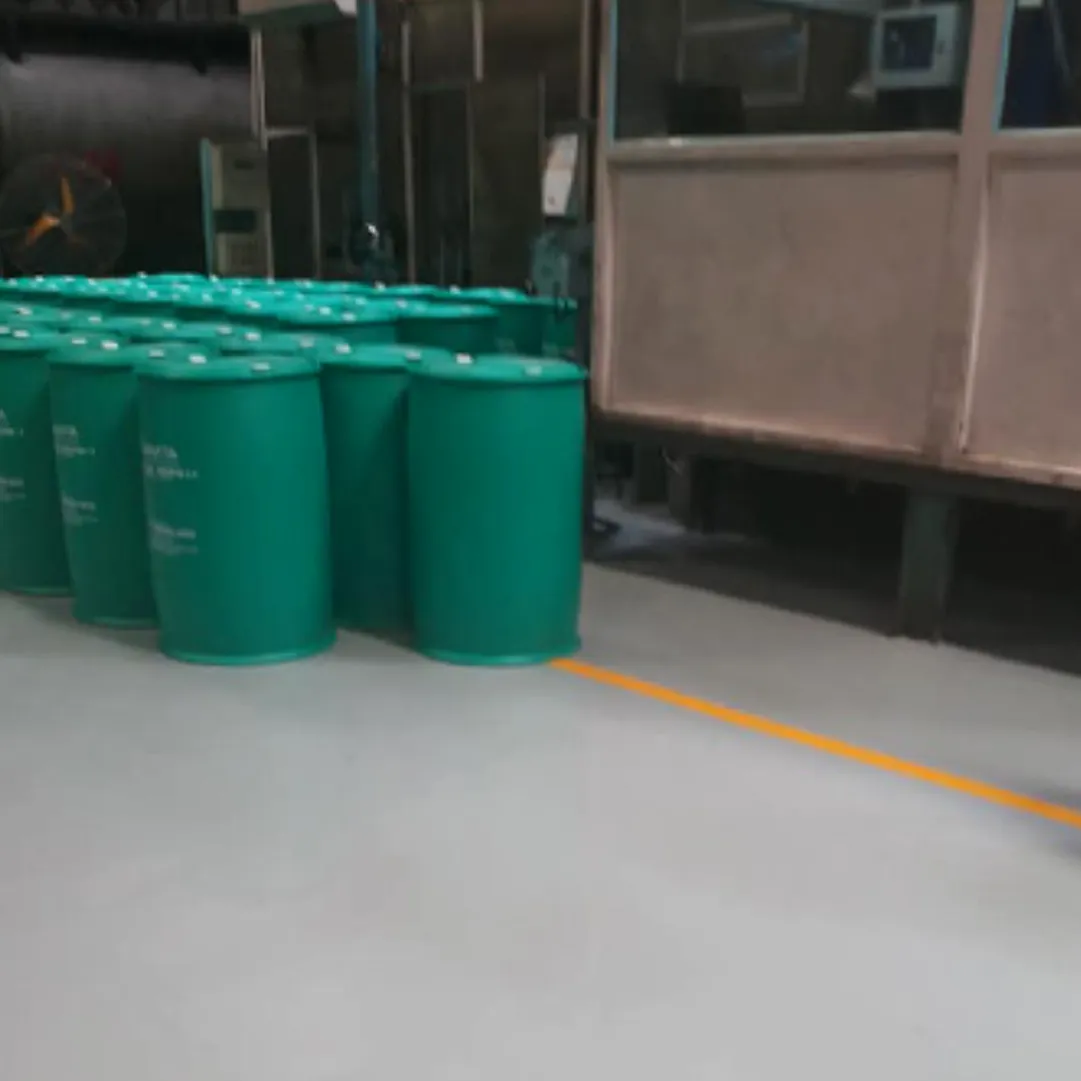


Self-leveling epoxy is an epoxy-based coating material that is applied onto an existing and prepared surface to give a smooth surface. Such flooring is suitable for certain types of industrial, commercial, and other interior floors.
The 2 mm self-leveling epoxy coating system involves the application of a thin layer of epoxy, while the 3 mm coating system involves a thick layer of epoxy coating.
Yes, it can be suitable for certain types of light industrial floors and pedestrian traffic floors.
Certainly not in all cases. While the 3 mm epoxy floor has more thickness, there are other factors that will determine which is the right choice in each case.
The amount of time needed to cure epoxy floors differs from one case to another depending on several factors, including the thickness of the coating, among others.
The factors influencing the quote are the thickness of the floor, material, area of the floor, repairs, etc. It is important to visit the site to provide the quotation.
CoatEXX Industrial Solutions offers Self-Levelling Epoxy Flooring Services in India, related to the installation of self-levelling epoxy flooring systems in factories, production zones, warehouses, laboratories, workshops, showrooms, and commercial areas. This type of flooring system is recommended in areas that need evenness of the floor, a clean appearance, and easy cleaning. The system is applied over correctly prepared concrete, creating an even floor that does not have the uneven appearance typical of worn or untreated surfaces.
The thickness of the flooring system can vary according to the requirements of the location. For areas of average foot traffic and general industrial use, 2 mm self-levelling epoxy flooring could be appropriate; for those which require a more robust coating system, 3 mm self-levelling epoxy flooring would be more suitable. The correct thickness of the system depends on the state of the concrete surface, foot traffic, environmental conditions, and performance requirements.
CoatEXX checks the condition of the floor, detects surface defects and analyzes the purpose of the area before suggesting a suitable epoxy flooring system.
Self-leveling epoxy thickness of 2mm vs 3mm epoxy flooring
Thickness becomes a major consideration in the selection of self-leveling epoxy flooring material. Both 2 mm and 3 mm can yield smooth floors; however, which one to use depends on the usage and the performance desired.
2 mm self-leveling epoxy
Generally speaking, a 2 mm self-leveling epoxy coating can be applied to spaces that have some pedestrian activity and light operation. This type of epoxy coating may also work well in offices, industrial epoxy flooring complexes, laboratories, showrooms, inspection areas, and certain commercial spaces.
It is necessary that the concrete is sound, properly prepared, and adequately leveled before the epoxy coating is applied. A 2 mm epoxy coating cannot be used as a repair for damaged surfaces.
3 mm Self-Leveling Epoxy Floor System
The installation of a 3 mm self-leveling epoxy coating is more robust than that of a 2 mm system. This type of floor system can be considered for areas which require a robust epoxy floor, such as selected production areas, workshops, warehouses, and commercial spaces.
It should be noted, however, that just because of installing a 3 mm floor system does not mean that the floor will perform satisfactorily under any heavy-duty condition.
The figures refer to nominal system thicknesses. The actual specifications have to be verified with respect to the product data sheet and flooring contractor’s proposal.
How Is Self-Levelling Epoxy Flooring in India Installed?
The installation process affects the beauty, binding quality, and durability of the finished flooring surface. The procedure used by CoatEXX Industrial Solutions is dependent on individual job sites, determined by the condition of the concrete, size of the floor area and epoxy system chosen.
1. Floor Survey
The current state of the concrete floor is surveyed for any cracks, unevenness, loose concrete, oil, moisture problems and old coating systems. This will help to determine what work needs to be done prior to the installation of the system.
2. Concrete Surface Preparation
The concrete surface is mechanically prepared using the right preparation techniques . Preparation of the surface entails cleaning off all dirt, grease, curing compounds, and other debris from the concrete surface to ensure proper epoxy bonding.
3. Crack and Surface Repair
Cracks, damaged concrete surfaces and other surface issues are evaluated and repaired if necessary. In cases where the floor is badly uneven, additional levelling is undertaken before the installation of the self-leveling epoxy.
4. Primer Application
The epoxy primer is applied according to the rules of the selected system. This is a special chemical that ensures adhesion between the prepared concrete surface and epoxy coating. Before applying the primer, the level of moisture on the surface must be controlled.
5. Mixing Resin and Hardener
Resin and hardener are mixed according to the proper ratio. The correct mixing of the chemicals is extremely important, as it may affect the curing and quality of the final coating. The mixture is applied within the time period for which it can be used.
6. Self-Leveling Layer Application
The epoxy material is applied on the prepared surface using appropriate equipment. The material is evenly spread over the surface to create the required thickness, either 2 mm or 3 mm, depending on the chosen system. The work area is managed by the installation crew.
7. Floor Curing and Final Inspection
The floor is left for curing under the conditions recommended by the manufacturer. No foot traffic and equipment movement can be done prior to achieving the curing stage. Finally, the condition of the flooring is checked to see whether it has any defects.
Where Is Self-Levelling Epoxy Flooring Used?
- Self-leveling epoxy flooring is one that can be employed in any place where you require a level surface and easy maintenance. It depends upon the type of epoxy and the site environment.
- Factory and manufacturing plant areas: Certain production and assembly areas may require a smooth epoxy surface, which is easier to clean than a concrete substrate without an epoxy layer.
- Warehouses: Epoxy flooring can be used in storage and handling areas provided that the particular coating is adequate for the traffic. Careful selection of epoxy systems is necessary for forklift routes and high load-bearing areas.
- Laboratories: A smooth, crack-free surface will allow regular cleaning of the laboratory or test facility. The chemical compatibility of the coating must be determined.
- Commercial buildings and showrooms: Self-leveling epoxy allows the creation of a consistent coating in certain commercial buildings and showrooms.
What Are the Key Influences On Self-Levelling Epoxy Floor Cost?
The cost of self-levelling epoxy floor coating depends on more than just the chosen thickness. The total cost will depend on the condition of the floor, the characteristics of the epoxy material, the accessibility of the location and the amount of preparation done before application of the material.
The main aspects affecting the cost will include:
- Thickness: The 3mm system will use more materials than the 2mm system, considering the same floor space covered.
- Floor condition: Floor grinding, crack repair, stripping of the old floor and floor leveling preparation.
- Epoxy system: Specifications of the resin, performance characteristics, color and finish.
- Total floor area: Influences on material quantity, manpower and installation arrangement.
For the right price quote, the contractor should check out the site conditions and determine the needed floor thickness. A cost quote provided on the basis of words “2 mm epoxy” or “3 mm epoxy” does not necessarily cover the entire floor preparation work.
How to Obtain a Self-Levelling Epoxy Floor Quotation
A precise quote is helpful in comprehending the amount of work, material, and installation required before the project starts.
When requesting a quote on a self-levelling epoxy floor, please provide the following information:
- Floor area: Provide the number of square feet or meters of the floor area to be covered.
- Required thickness: Provide whether it is 2mm or 3mm.
- Condition of the existing floor: Provide any information regarding cracks, damaged concrete, previous coating, moisture, and so forth.
- Use of floor: Please provide information regarding the purpose of the floor. Is the floor going to be used in a warehouse, factory, laboratory, showroom, workshop, and so forth?
The quote should cover the preparation, primer, epoxy system, coating thickness, finishing, curing time, and exclusions.
How to Select a Self-Levelling Epoxy Floor Contractor
While selecting a contractor, you need to look into both the flooring system that he is going to install and the way he is going to install it. An initial low quote doesn’t mean that the total cost of the project won't be higher due to some overlooked preparatory work.
The following are a few factors that you should keep in mind before selecting your self-levelling epoxy floor contractor:
- Experience with a similar project: You should know if the contractor has worked on a similar project previously.
- Specific thickness of the system: It should be clear if the thickness of the system is 2 mm or 3 mm and how they are going to achieve this thickness at the end.
Self-Levelling Epoxy Flooring Services by CoatEXX Industrial Solutions
CoatEXX Industrial Solutions offers flooring solutions to industrial and commercial establishments that need floors with a flat and durable surface finish. Selection of the appropriate flooring system is carried out in relation to the current state of the concrete, use of the facility, and the performance expected from the floor.
Self-levelling epoxy flooring in India consists of procedures including surface assessment, preparation of the concrete, crack repair, primer application, laying of epoxy and assessment of the process. The system, either 2 mm or 3 ww, may be considered in accordance with the requirements of the project.
Looking for reliable self-levelling epoxy flooring services in India? CoatEXX Industrial Solutions helps you select a suitable 2 mm or 3 mm epoxy flooring system based on your floor condition and site requirements.
Contact CoatEXX Industrial Solutions today to discuss your flooring project and request a quotation.
Get a site visit and a clear quotation from Coatexx Industrial Solutions.