Screed Thickness
Full Curing Time
Screed Options

What Is Floor Levelling Screed?
Floor screed is cement based or proprietary cement screed applied over a base to form a surface of a suitable level or finish to the underlying flooring system. Screed can be used to fix irregularities in surfaces, create a necessary level, assist in creating a gradual slope to a drain or even give a base to a separate floor finish depending on the product and project design.
Floor screed can be either a conventional sand-and-cement mix, a cementitious mix that has been modified or a pourable self-smoothing mixture. These materials cannot be interchanged, there are those ones that are utilized to make superficial corrections beneath tiles or hardy coatings and others to make larger applications. Application thickness, surface preparation, mixing, drying and compatible finishes should be instructed on the product data sheet.
Levelling is typically a pre-preparation phase and not the ultimate wear surface. Cover a product unless it is to be used as a wearing floor directly, with the right finish after it meets the requirements of the system.
|
System |
Layers |
Typical Thickness |
Best For |
|
Cementitious levelling screed |
Prepared substrate + cement-sand screed |
Typically 25–75 mm* |
General floor levelling and correcting uneven concrete bases |
|
Polymer-modified screed |
Prepared substrate + compatible bonding agent, where required + polymer-modified screed |
Product- and application-dependent |
Repair work and levelling where improved bonding is required |
|
Self-levelling compound |
Prepared substrate + compatible primer + self-levelling compound |
Typically 2–10 mm* |
Minor surface irregularities before compatible floor finishes |
|
Heavy-duty screed |
Prepared substrate + bonding system, where required + designed screed mix |
Load- and thickness-dependent |
Industrial areas requiring a robust base for subsequent flooring |
We study how the floor is used and test the slab before recommending anything.
A written quotation with the right system, layer build-up and timeline.
Work zones, shifts and access agreed so your production carries on.
Grinding or shot blasting opens the concrete for a strong bond.
Cracks, joints and uneven areas repaired and levelled flat.
A penetrating primer seals the slab and bonds every layer above it.
Body coat and topcoat go down within the manufacturer's recoat window.
Inspected, tested and handed over with clear usage guidance.
- Lessens the visible depressions and peaks
- Makes the floor covering lie flatter
- Favors a more consistent finished appearance
- Assists in the scheduling of preparation, drying, and installation
- Local defects can be fixed without replacement of the entire base, where suitable
- The system is able to project anticipated traffic, finish, and maintenance requirements
- Requires a clean, stable and properly prepared base.
- Needs adequate curing before subsequent flooring installation.
- Residual moisture may affect coating adhesion and finish quality.
- The selected screed must suit the required level correction and floor loads.
- Poor mix design, inadequate curing or substrate movement can cause cracking.
- Not every screed is suitable for every epoxy, PU or other floor finish.
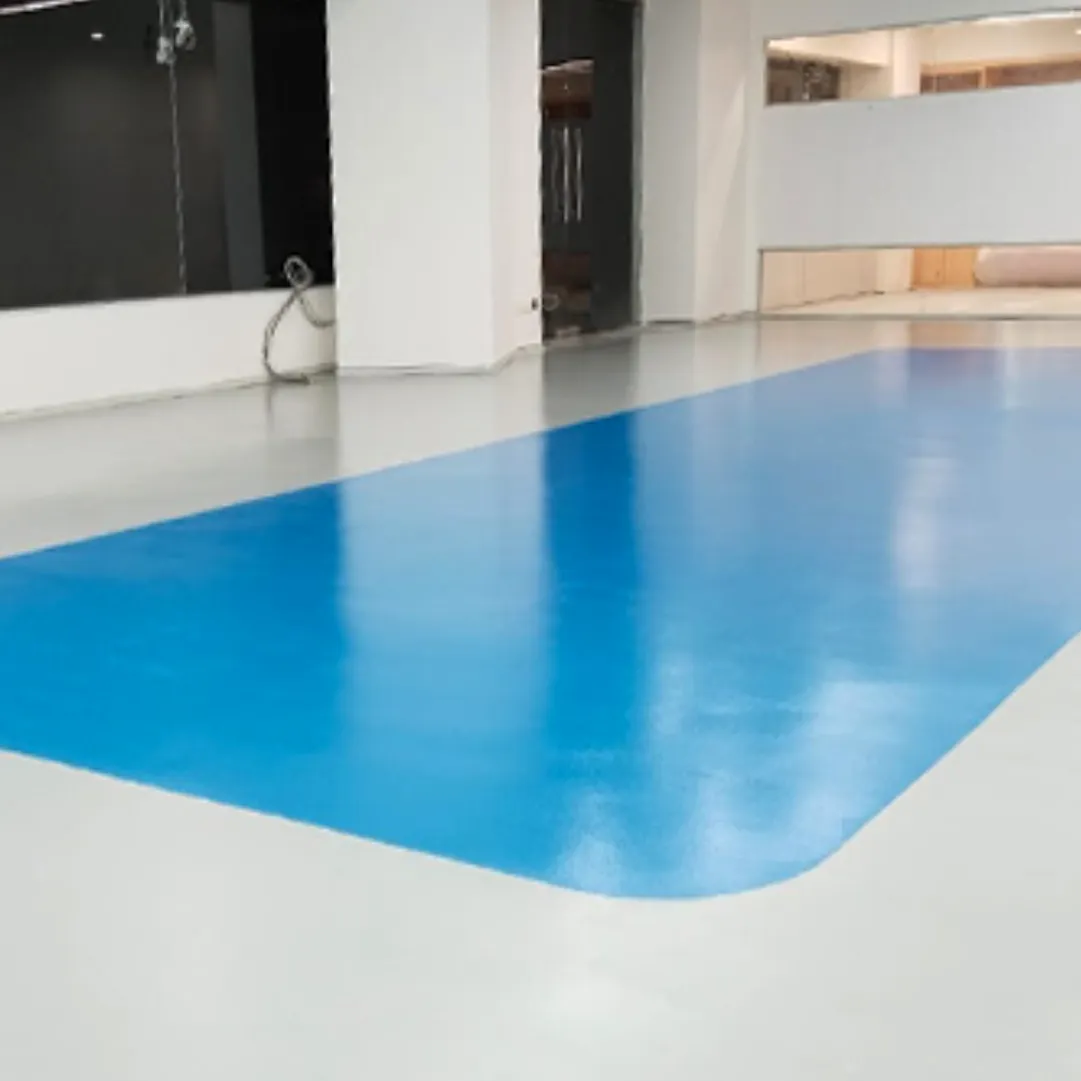
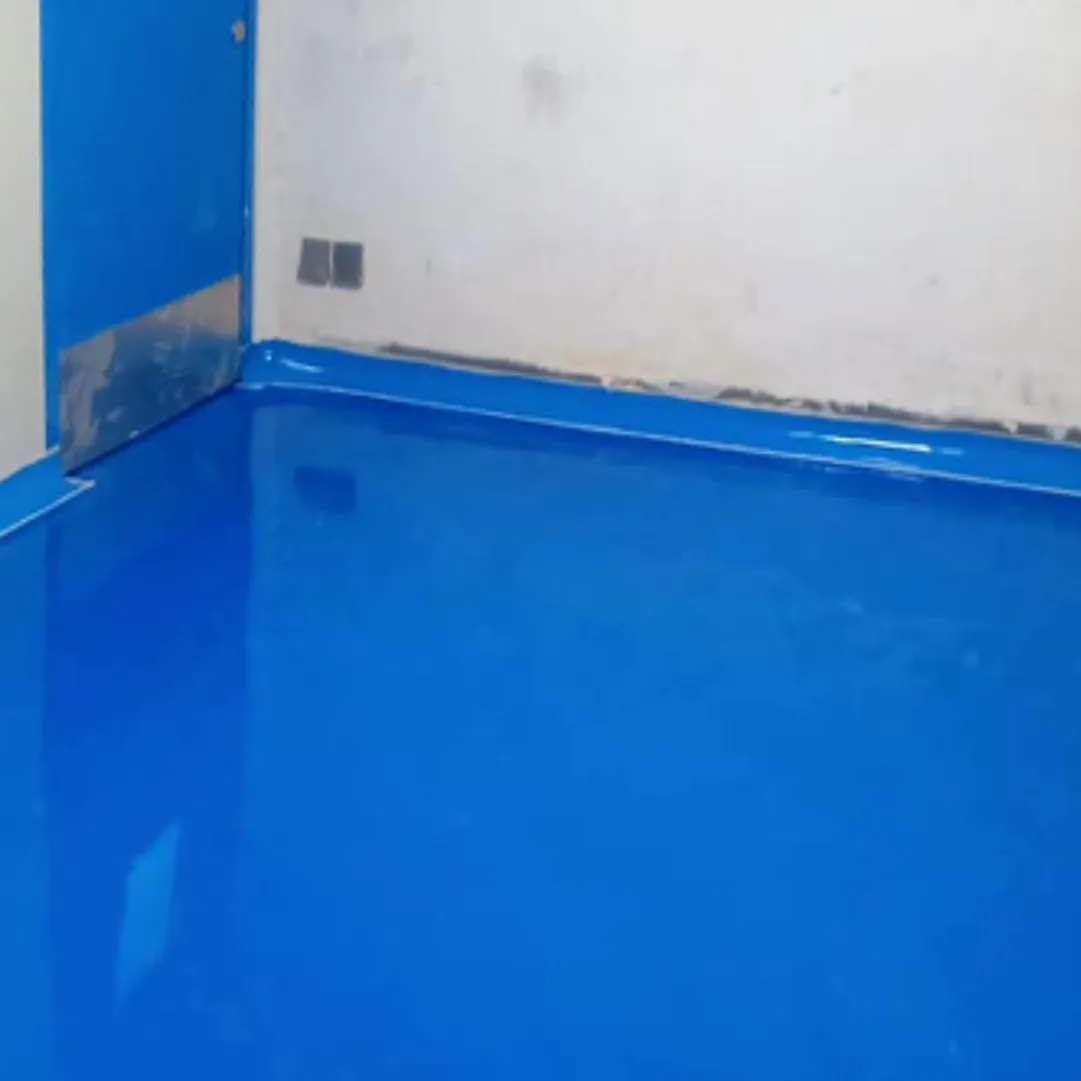


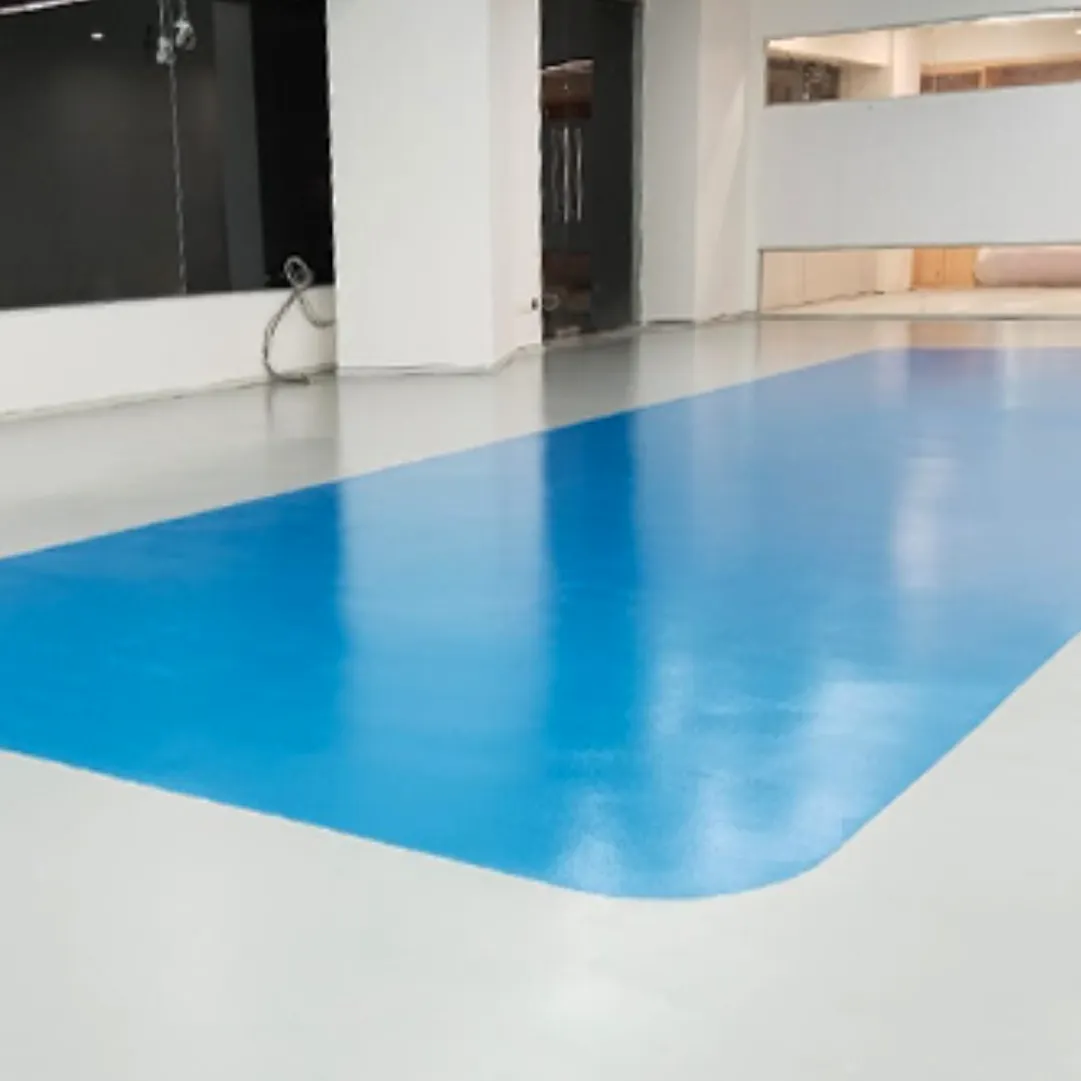
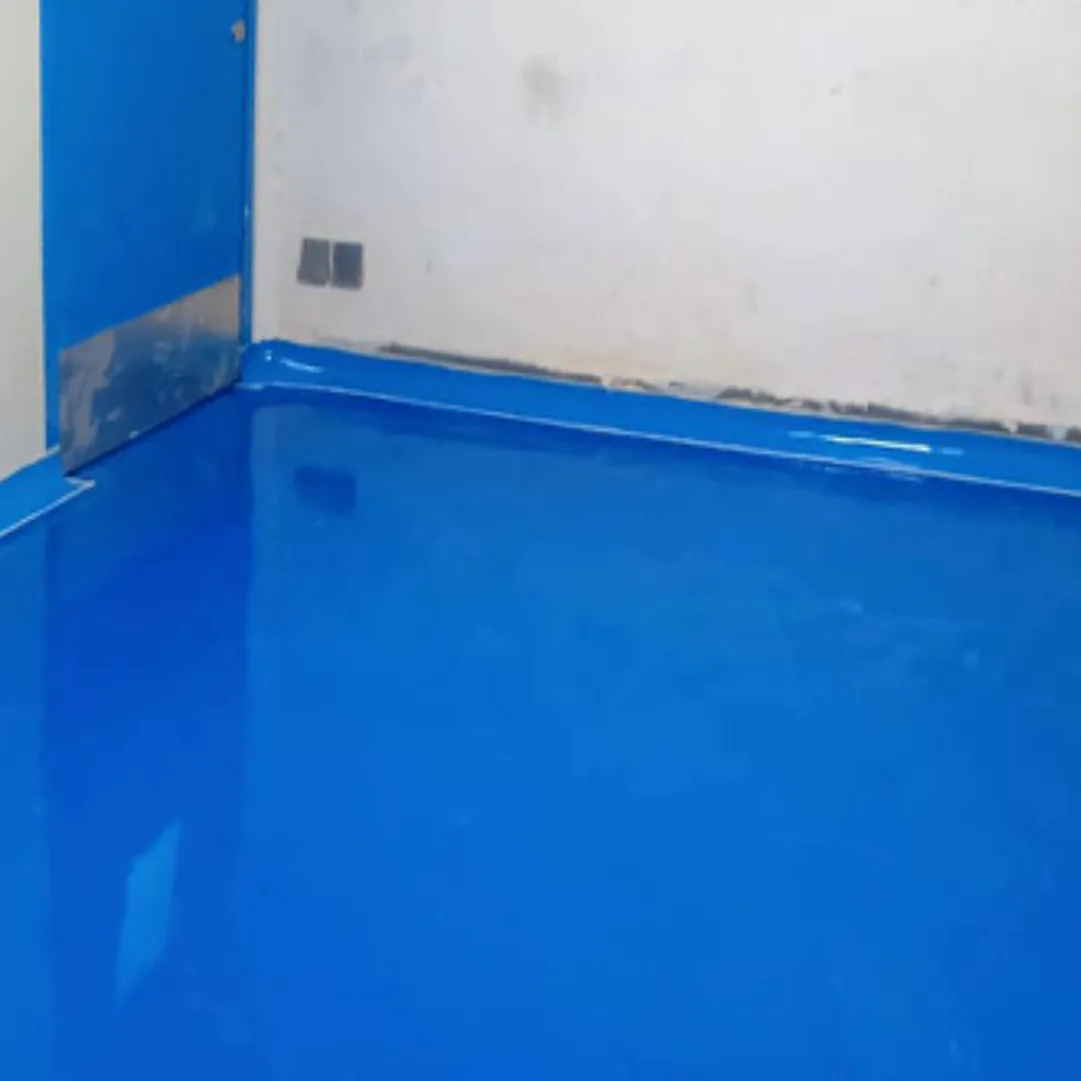
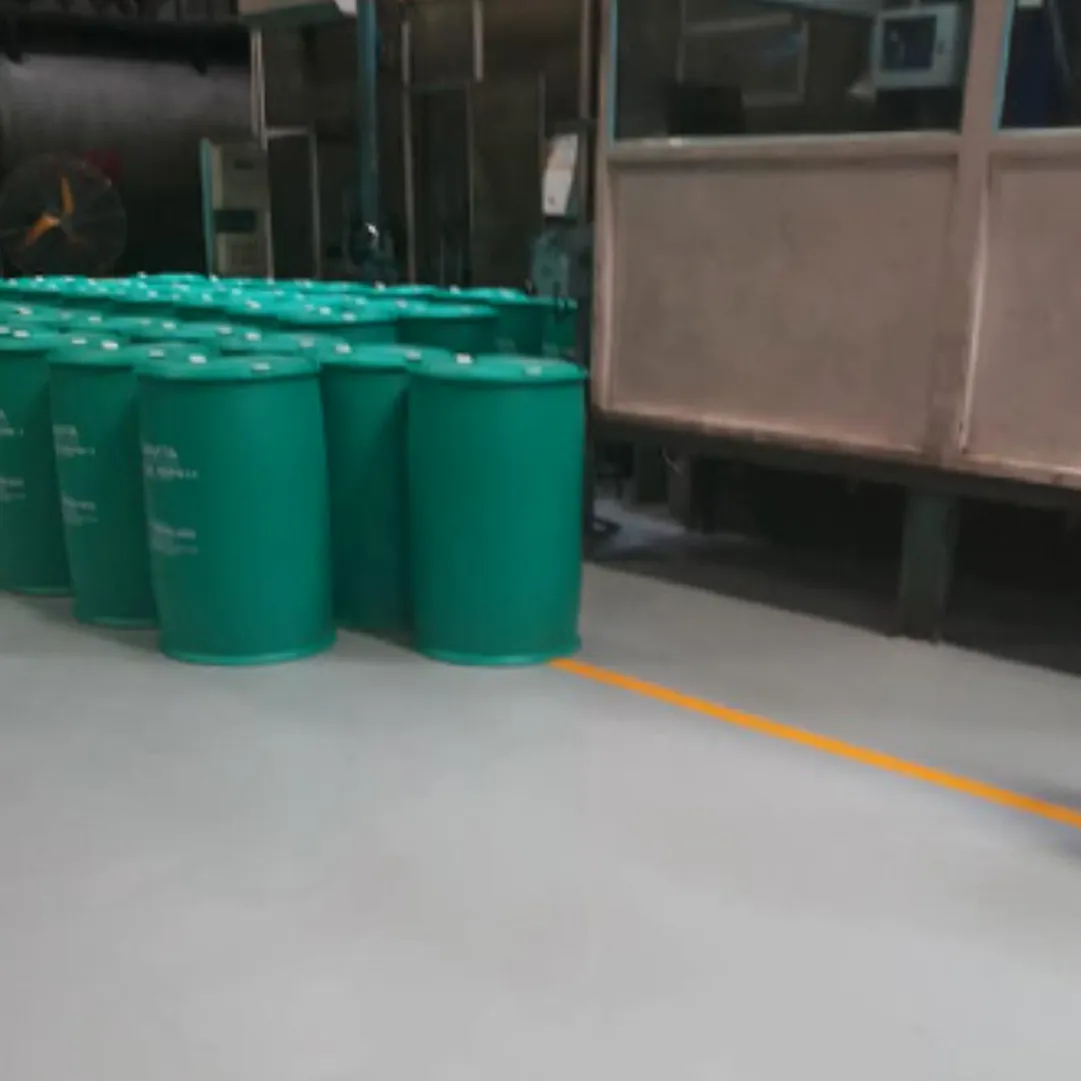
It rectifies appropriate floor defects and provides an even surface upon which a given finish is going to be applied. There may also be a level or fall attained by some products. The correct system hinges on the substrate, depth and the ultimate flooring.
This may have dips, ridges or irregular transitions that indicate that levelling is necessary. A site inspection can determine the variation and it can be known whether a grinding or local repair is needed or a levelling layer is needed.
Sometimes, though, the surface upon which the item is to be placed needs to be clean, stable and in good condition. Bonding may be inhibited by old adhesive, paint, oil, loose material, moisture or movement. Prior to application, compatibility and preparation requirements are to be made.
There is no single drying time of the screeds. It is affected by the product, thickness, temperature, humidity, ventilation and substrate. Follow the product data sheet and verify the moisture requirements of final flooring system and subsequently cover the surface.
Yes, a compatible product can be installed where resin flooring specification allows it to be used. The underlayment should be solid, well-bonded, dry enough, and to the necessary profile. The moisture needs and epoxy manufacture substrate of the manufacturer should be verified.
The depth of floor variance, the nature of screed, bonding configuration, strength of substrate, intended load and the range of allowable thickness of the manufacturer all count. Deep variations can require dissimilar repairs or another build-up instead of a thin compound applied to the outside of its limits.
CoatEXX Industrial Solutions offers floor levelling screed services in India to make a more stable surface and even base on which new flooring is to be installed and renovation work provided. We may carry out checking levels of the floor, the preparation of the substrate, the application of an appropriate levelling compound or screed and ensure that the surface is prepared to receive the next stage of the flooring. The appropriate system will be based on the floor variation, the strength of the substrate, the moisture conditions, the traffic needs and the planned floor finish.
The aspect of levelling floors does not merely require pouring the material at the low point. The good bonding and reduction of the possibilities of cracking and debonding are achieved with the help of adequate evaluation and surface finishing. Superficial variations can be treated with thin self-smoothing products, but deeper depressions might need an alternative screed system or stage repairs.
The intended scope must specify the surface preparation method, type of use, application thickness, curing and any constraints on the site before the work is started. This will enable the customers to know the job involved and choose an appropriate solution to their flooring needs.
Addressing Uneven Floors
The process of uneven floor levelling starts with the identification of the level at which the floor is not where it is supposed to be and the cause. The variance may be in the tangible location, adhesive traces that have been left behind, damaged spots, prior repair, settlement and a disparity between the neighboring regions of the floors. A level survey or straightedge check can be used to check high spots and low areas, but the loose material, cracks, contamination or moisture problem can be viewed with a close eye.
Treatment must be proportional to the cause and degree. The high points may be scraped off and the shallow points may be filled using a levelling compound and deep points may need repair mortar or the use of a heavier screed. They should not be covered by a new layer and cracks, movement joints and weak concrete should not be just covered.
Check completed levels, doorway and drain transitions, and height restrictions prior to work commencement, as these will have an impact on the method and amount of material used.
Types Of Screed And Levelling Materials
The material must be selected based on the substrate, thickness needed, final cover and location conditions.
Cementitious self levelling screed is a cement based flowing screeding product that is used to provide a smoother base where the product's recommended thickness and application conditions best fit the site. It may be applicable under designated tile, vinyl, carpet or resin flooring systems, subject to compatibility. The substrate will normally be in need of cleaning and appropriate treatment such as the primer or bonding treatment and the material needs to be mixed with the recommended volume of water.
Traditional cement-and-sand screed may be suitable to increased accumulation or controlled falls. Local holes or deep depressions can be filled with repair mortars and then levelled. The selection should include the drying time, capacity of holding moisture, strength and the loads of the wheels and possible chemical or water exposure.
In the case of resin-coated floors, the levelling layer has to be appropriate to the final system. Only a robust, bonded, dry enough, and ready to the profile, underlayment of an epoxy flooring can give the flooring the required base.
Suitable Applications
Our service can be applied in environments where the floor base is to be levelled off and then a new finish is applied.
- Factories and workshops: To prepare appropriate areas to receive protective finishes or other finishes of the floor that are specified
- Storages and logistics areas: To enhance floor frequency in storage, packing and movement zones, depending on the final system traffic rating
- Commercial premises: To prepare offices, show rooms, shops and service areas with tiles or resilient coverings
- Residential and apartment projects: To correct proper surface variation prior to tile, vinyl or other floor covering
- Renovation projects: To assist in the preparation of an existing substrate once old flooring or adhesive has been removed
- Plant rooms and utility spaces: To prepare the base where a specified level or drainage fall is needed
A specialist system might be necessary, rather than a general-purpose product, due to water, oil, chemicals, heat, or heavy rolling loads.
Our Installation Process
A scheduled installation will be used to manage quality and define the requirements of the sites.
- Site assessment: Examine type of substrate, levels, damages, contamination, risk of moisture, accessibility and final finish
- Level and thickness planning: Find out high and low areas and decide on a suitable system to be used to achieve the desired build-up
- Surface cleaning: Eliminate dust, grease, loose matter and residues. Mechanical grinding might be required
- Priming or bonding: Coat the substrate and the product with the required primer/bonding coat
- Mixing and placement: Add water correctly and combine. Put the material in working time and attain the desired depth
- Curing and protection: Traffic and contamination should be avoided during the drying of the material
- Ready Inspections: Before final covering is applied, verify level, strength and moisture conditions
The duration of drying depends on product, thickness, temperature, humidity and substrate. What may seem dry on the surface might not satisfy the moisture demands of the end flooring system.
Choosing the Right Thickness
One universal measurement cannot be used to set the correct screed thickness when dealing with uneven floor conditions. It is based on the minimum and maximum height, the range of approved application of a product, the bonding technique, the strength of the substrate, and the desired finished level. There are even self-smoothing products that can be built with only a few millimeters of correction, and there are screed systems that can build thicker. Using a thin leveling material out of the range of the product may cause failure.
In case the difference is significant, the installer might have to level up high areas, fill in deep depressions individually, or indicate another screed accumulation. The design and thickness requirements of a bonded screed, an unbonded screed, and a proprietary self-levelling compound are different. The proposed system will be based on the instructions of the manufacturer and other specifications of the project.
Thickness influences consumption, weight, drying time, cost and door transitions. An initial discussion can be backed by measurements and photos but a site assessment might be required to verify the specification.
Cost Factors and Quotation
Screed flooring rate is a product of the floor condition and the extent rather than the area. Typical cost considerations are
|
Cost factor |
How it may affect the estimate |
|
Total area |
Larger areas may improve application efficiency, depending on access and layout. |
|
Average and maximum thickness |
Greater material depth increases material consumption and may affect drying time. |
|
Substrate condition |
Grinding, adhesive removal, crack repairs, or patching add preparation work. |
|
Material specification |
Product performance, approved use, and compatibility affect material choice. |
|
Site access and logistics |
Floor location, working hours, equipment access, and protection needs affect labour planning. |
|
Final flooring system |
Moisture limits, surface profile, and covering requirements can add preparation or testing steps. |
|
Program and curing |
Shutdown constraints or staged work may affect scheduling and cost. |
Preparation, primer, material, thickness assumptions, repairs, protection, handover checks, exclusions, access requirements, and any moisture testing or additional substrate work should be listed in a quotation. This will help customers to compare proposals based on a similar scope.
Why Choose CoatEXX Industrial Solutions?
When selecting a floor levelling contractor, it is important to pick a team that will take into account the existing base and the intended finish. CoatEXX Industrial Solutions employs a review strategy based on assessment to examine substrate, use, compatibility, thickness and scheduling prior to suggesting a system.
It is our intention to convey the preparation technique, materials, order, restrictions, and curing needs in an understandable way. In case of any additional checks that are required on the sites, they should be discussed prior to the agreed work.
In case of a quotation, provide the rough area, medium, photos, finish preferred, location and any access or closure restrictions. This assists in setting a scope that is relevant.
Call CoatEXX Industrial Solutions to talk about your floor preparation needs and design a levelling system to fit the substrate and the final flooring system.
Get Professional Floor Levelling Screeding Services for Your Project
In search of sure-footed flooring? CoatEXX Industrial Solutions offers quality floor levelling screed services in India to assist in preparing your floor to have an easy, level and appropriate finish. At the time when you are planning to install a new floor or you need to upgrade a factory or a commercial area, we are able to assist you to find a fitting floor levelling product depending on the circumstances of the location and the project.
Contact CoatEXX Industrial Solutions today to talk about your project and quote. Please provide your floor area, surface condition, preferred flooring finish, and location to assist us to know your requirements and advise the next steps.
Get a site visit and a clear quotation from Coatexx Industrial Solutions.