- Home
- Epoxy Flooring
- Epoxy Floor Coating (400–500 Micron)
Epoxy Floor Coating (400–500 Micron) Services
Thickness Range
Light Traffic Cure
Full Chemical Cure

What Is Epoxy Floor Coating?
Epoxy floor coating is a type of protective coating that results from the mixing of epoxy resin and a hardener. Upon mixing the two in the appropriate ratio, the reaction occurs to form the protective layer of the properly prepared surface.
The method is popularly used in concrete surfaces in industrial and commercial areas. It acts as protection for the substrate from general wear and tear, eliminates dust from the concrete and creates a more hygienic surface. In addition, some chosen products have a resistant nature to certain oils and chemicals.
The effectiveness of the epoxy floor coating is influenced by the specification of the epoxy used, the coating thickness, and how the surface was prepared and under what conditions. If the epoxy is meant for light-duty purposes, then it will not be effective on floors that experience mechanical stress such as machines or forklifts.
There are different types of epoxy floorings in terms of roller coating, epoxy floor paint, and self-levelling systems. The selection of the correct type of coating depends on how the floor will be used and not necessarily on cost considerations.
|
Factor |
Epoxy Floor Paint |
Epoxy Floor Coating |
|
Typical purpose |
Appearance and basic surface protection |
Surface protection according to the selected system |
|
Application |
Often applied by roller or brush |
May be roller-applied, squeegeed, or installed using other specified methods |
|
Thickness |
Commonly thinner, depending on product |
Can range from thin films to thicker systems |
|
Surface preparation |
Required for proper adhesion |
Required for proper adhesion |
|
Suitable applications |
Selected garages, utility areas, and light-duty floors |
Industrial, commercial, and other areas depending on specification |
|
Selection |
Based on the product's stated performance |
Based on thickness, traffic, exposure, and finish requirements |
We study how the floor is used and test the slab before recommending anything.
A written quotation with the right system, layer build-up and timeline.
Work zones, shifts and access agreed so your production carries on.
Grinding or shot blasting opens the concrete for a strong bond.
Cracks, joints and uneven areas repaired and levelled flat.
A penetrating primer seals the slab and bonds every layer above it.
Body coat and topcoat go down within the manufacturer's recoat window.
Inspected, tested and handed over with clear usage guidance.
- Reduces concrete dusting in industrial and commercial spaces.
- Provides a sealed surface for easier routine cleaning.
- Protects suitable concrete floors against everyday wear and selected chemicals.
- Creates a neat, consistent appearance across floor areas.
- Supports straightforward routine maintenance when properly installed.
- Offers a practical coating solution for light-traffic areas.
- Requires a clean, sound and properly prepared concrete base.
- Excess moisture can affect coating adhesion and performance.
- Smooth finishes may become slippery when wet.
- Offers less impact resistance than heavy-duty epoxy screeds.
- Requires sufficient curing before traffic resumes.
- Cracks and uneven surfaces may require repairs before application.
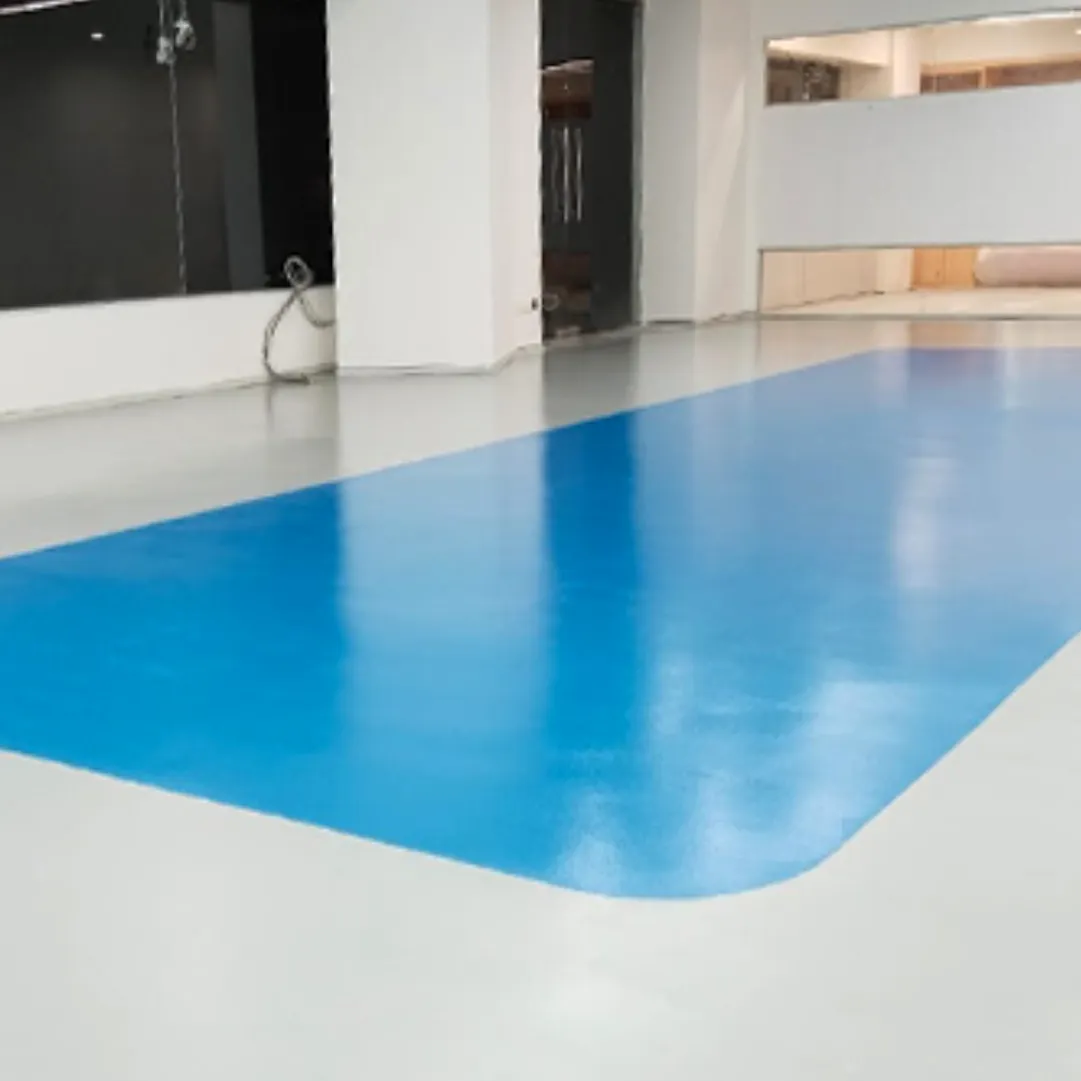
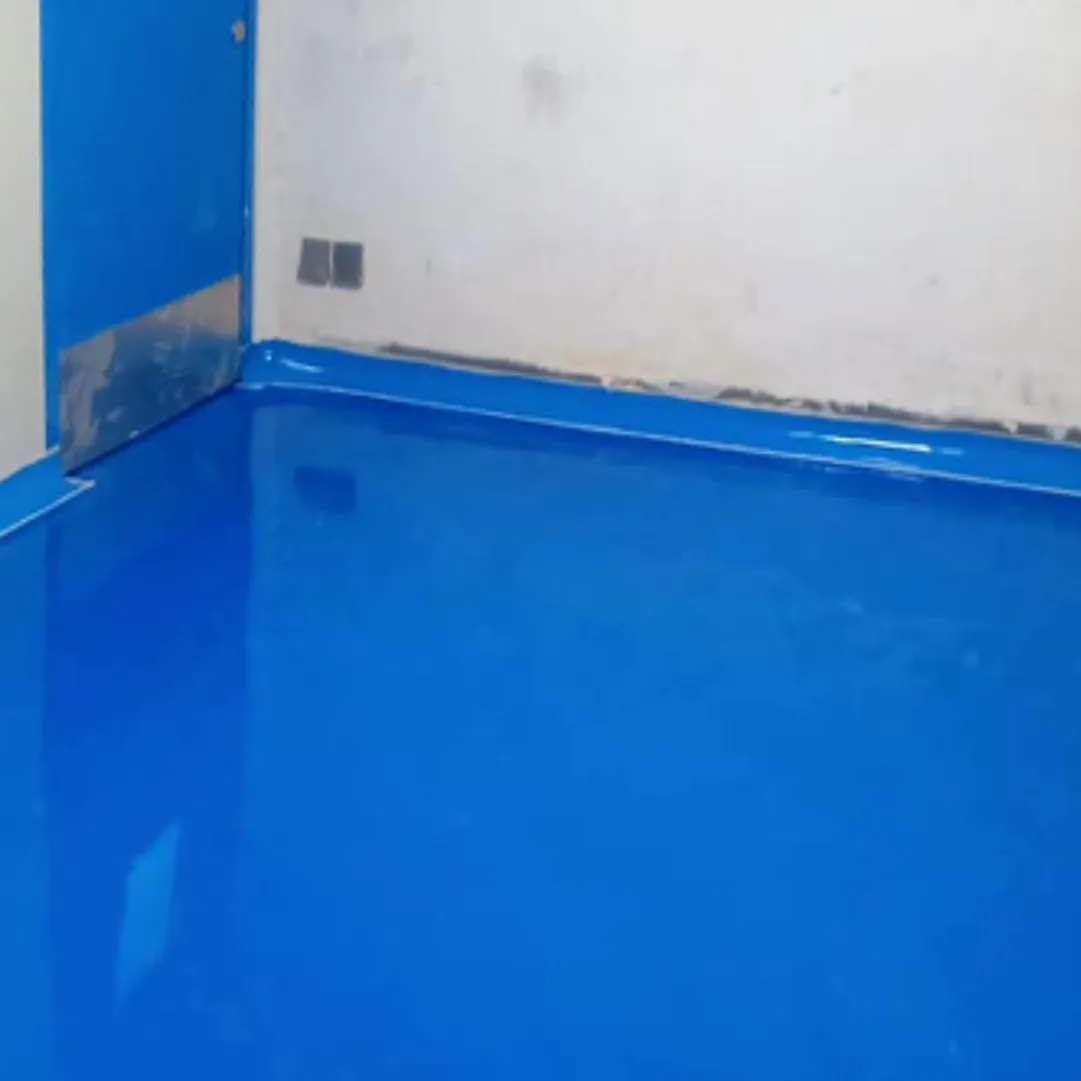
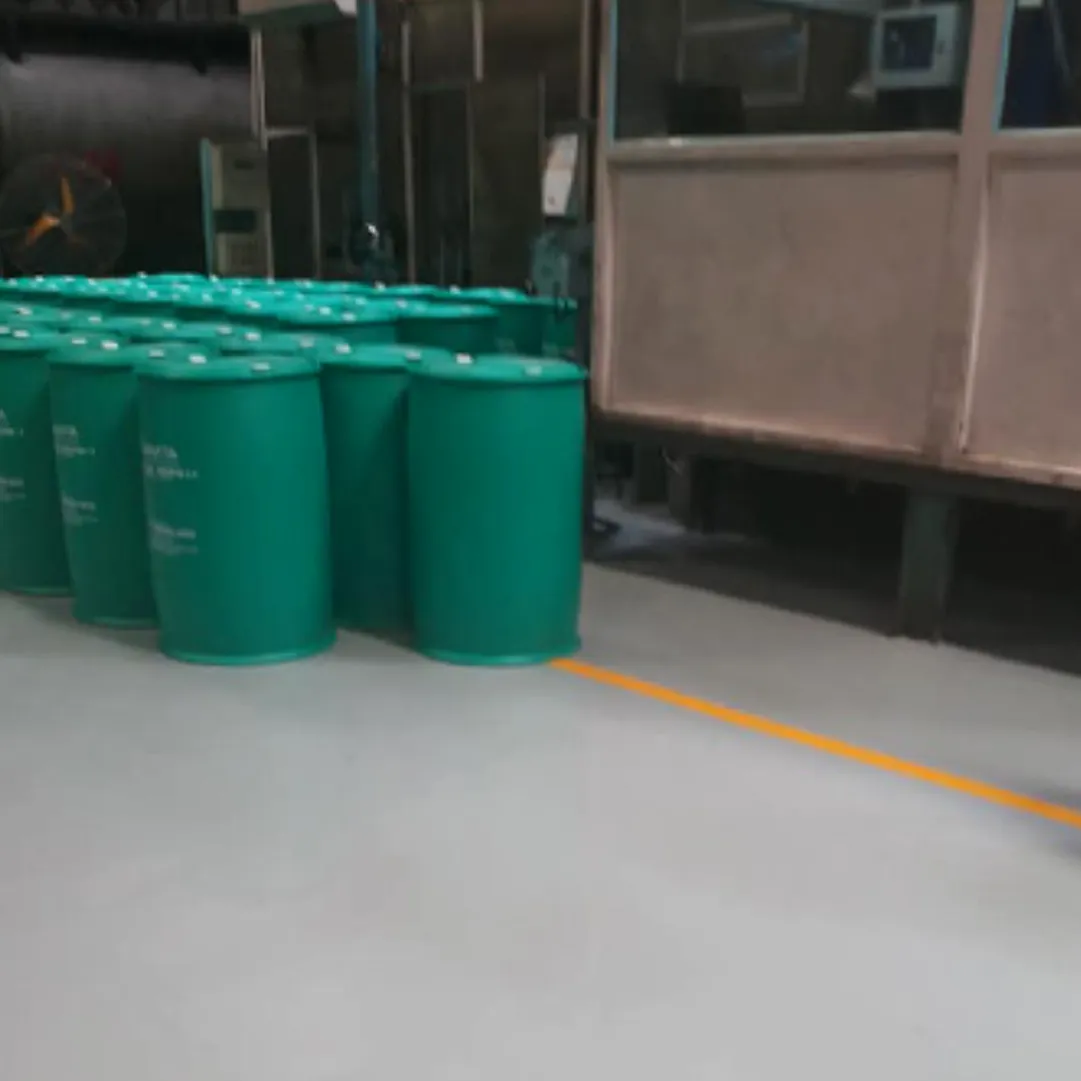


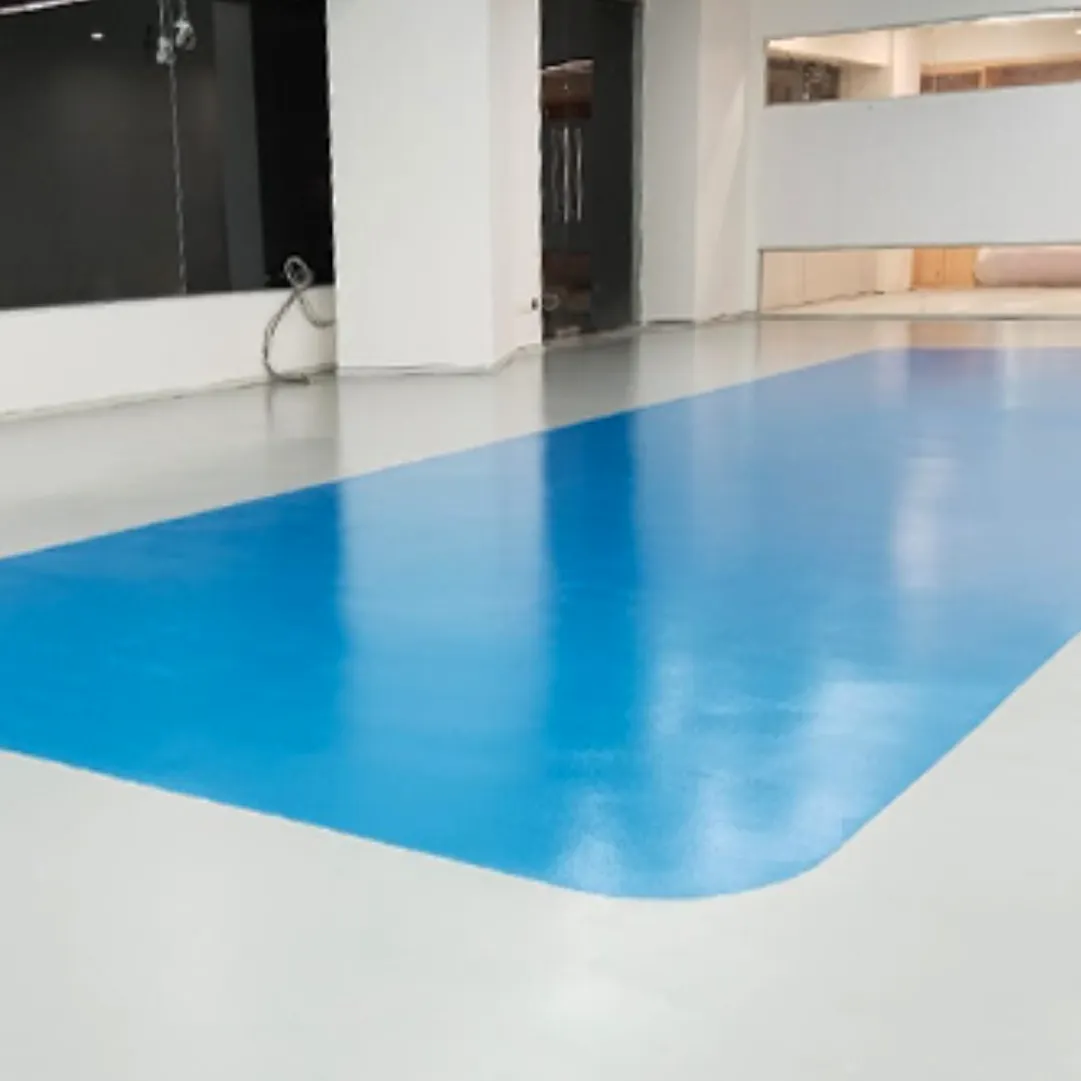
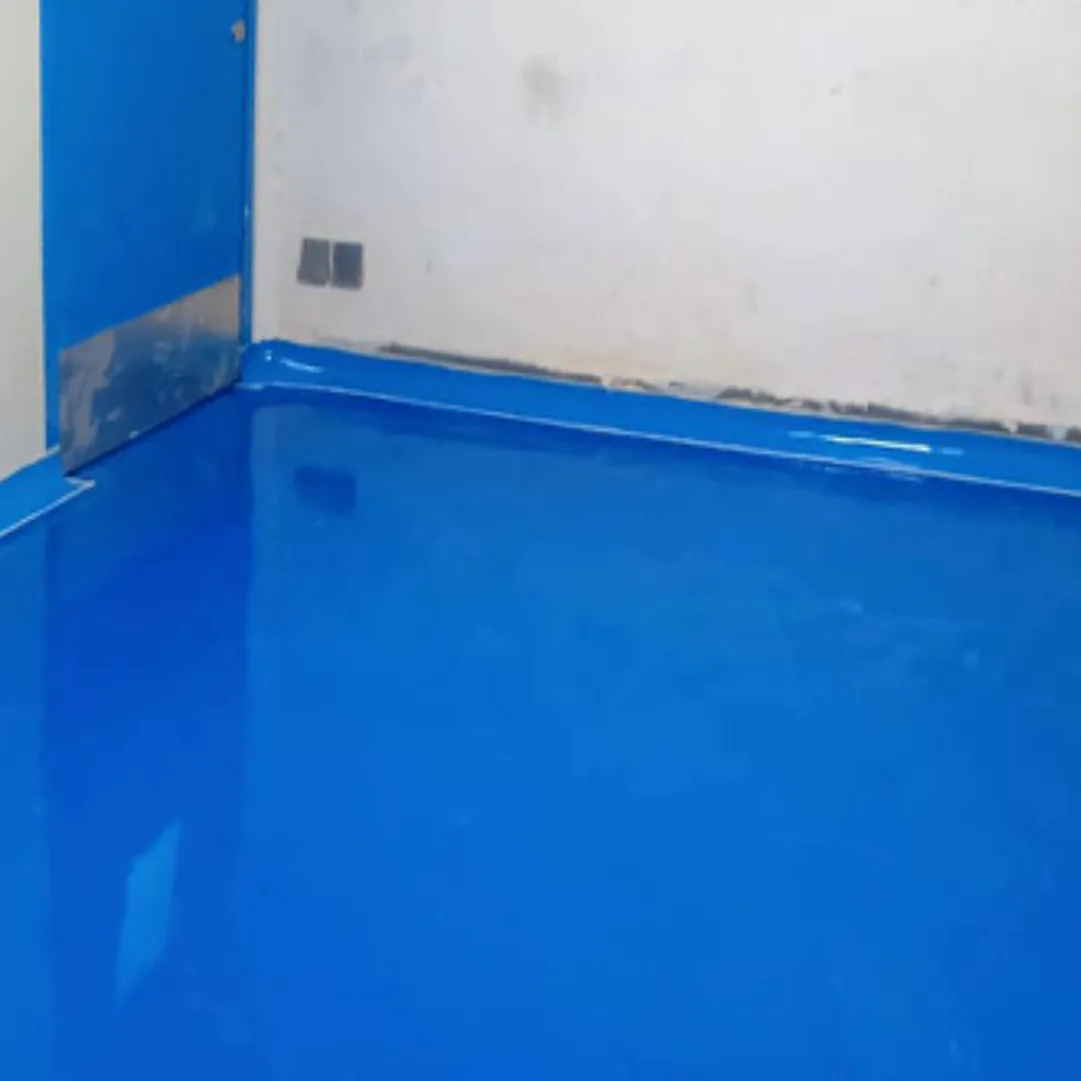
An epoxy floor coating can be applied for protective purposes on suitable concrete substrates, reduce dust formation, improve aesthetic appearance, and ease the process of cleaning. It can be used in industries, warehouses, workshops, and commercial areas.
Epoxy floor paint tends to be used for thinner coatings, but epoxy coating can also apply to other types of coatings. There really isn’t any distinction since it all depends on what kind of product and how thick it is.
A 500-micron epoxy coating means a coating of nominal 0.5 mm. It may suit some lighter-duty applications, provided the concrete surface is suitable and the product claims so.
Yes, it may be appropriate for industrial floors requiring low traffic, general protection or dust suppression.
Traditional epoxy coating is usually applied in a thin layer, mostly with a roller or brush. Self-levelling epoxy coating is designed to spread in a smooth layer, and its thickness may be higher.
There are multiple factors that influence cost estimation, including thickness, materials used, condition of the floor, floor preparation, overall area, etc. Therefore, a quotation based on an actual project is more accurate than just a price.
CoatEXX Industrial Solutions offers epoxy floor coating services in India for factories, plants, warehouses, workshops, office premises, and manufacturing floors. Epoxy floor coating is used to protect concrete substrates, to minimize dust generation, to enhance floor aesthetics and to ease cleaning. The coating system selection depends on the nature of operations and degree of protection required in the premises.
The requirements at various locations vary. An epoxy roller coating may be ideal for areas where a thin film coating system is needed, whereas a 500 micron epoxy coating may be recommended when a thicker film coating system is required. Self-leveling epoxy systems can be used where there is a requirement for a smoother and thicker floor. The epoxy paint may also be recommended depending on the nature of the substrate and operations.
We analyse the concrete substrate condition, existing damage, movement of traffic, and conditions of premises to recommend an ideal flooring system. This may involve surface preparation, repair of any cracks and defects in the surface, application of primer and installation of epoxy coating.
Types of Epoxy Floor Coating
The various epoxy types have their own specific uses. The choices below may be taken into account depending on the necessary thickness and finish.
1. Epoxy Roller Coating
Epoxy roller coating is applied by means of rollers on a prepared concrete substrate. The coating is used as a primer, an intermediate layer, or a topcoat, depending on the particular system used.
The choice of epoxy application by rollers is quite popular for workshops, storage areas, utility rooms, and certain industrial floors that require relatively thin layers of coating to cover the surface. It might seal the surface and make it look better.
The number of coats and their thickness depend on the manufacturer’s specifications. An epoxy roller coating cannot be compared with a self-leveling epoxy system in terms of thickness and performance.
2. 500 Micron Epoxy System
The 500 micron epoxy coating system is a system whose thickness measures 500 microns, which equals 0. 5 mm. This may be ideal for certain floors that may need only a thin coating rather than a thick resin layer.
These coatings may be ideal for some light-duty industrial floors, utility areas, among others, depending on the surface and conditions to which they will be exposed. The performance of such systems would depend on the formula used, coating, and exposure to elements.
It is important to determine whether the desired thickness is based on dry film thickness or other measurements as mentioned in the manufacturer's specification.
3. Epoxy Floor Paint
Epoxy floor paint is a material usually employed to beautify concrete and offer protection to the surface. This depends on the type of epoxy floor paint, which can either be water-borne or solvent-borne, or another type of epoxy coating.
This is suitable for selected garages, workshops, storage areas, and maintenance rooms. Epoxy floor paints that are classified vary significantly with regard to solids content, film thickness, and resistance properties.
In this way, it is important to refer to the technical data sheets prior to comparing epoxy floor paint with high build epoxy coating.
4. High Build Epoxy Floor Coating
High build epoxy coating is installed in thicker coats compared to most of the conventional roller-applied coating systems. High build epoxy can be chosen where the industrial floor requires better protection of the surface.
Thickness depends upon the condition of the concrete, traffic, chemicals, and the manufacturer’s recommendation. It is required that the installer be satisfied that the system can perform in its proposed working environment.
5. Self-Leveling Epoxy Floor Coating
Self-leveling epoxy is formulated in such a way that it will automatically level itself once poured on a prepared surface. It is usually applied in a thicker coat compared to the simple roll coating.
This coating is best used in laboratories, certain production facilities, showrooms, and commercial interiors wherein a more even floor finish is needed.
For comparison between two different systems, the most suitable source would be the product data sheet. The product that is referred to as epoxy paint could actually be a suitable product for the application even though the one labeled industrial epoxy may not suit all floors.
Epoxy Coating vs Self-Levelling Epoxy
While both types make use of epoxy-based materials, they vary in terms of how the material is applied, its thickness, and what kind of finish it can provide.
Generally speaking, epoxy coating is a protective coating that is applied on a primed surface. The roller-applied system tends to have a thin layer and is usually chosen if all you need is to seal the surface and reduce dust.
On the other hand, self-leveling epoxy tends to spread evenly on the floor, forming a much thicker layer than that of the roller system.
|
Factor |
Conventional Epoxy Coating |
Self-Levelling Epoxy |
|
Application method |
Often applied by roller |
Usually spread with suitable application tools |
|
Typical thickness |
May be thin, depending on the system |
Generally thicker than a basic roller coating |
|
Finish |
Depends on application and product |
Designed for a smooth, continuous finish |
|
Material consumption |
Usually lower for thin systems |
Usually higher because of greater thickness |
|
Cost |
Often more economical for light-duty requirements |
Can cost more due to material and installation requirements |
|
Suitable use |
Selected workshops, storage areas, and utility floors |
Selected production areas, laboratories, showrooms, and commercial spaces |
It all depends on the state of the floor and its purpose. Self-leveling systems are not always required for industrial floors, while a thin coating can be inadequate in terms of protecting the floor.
Where Epoxy Floor Coating is Applied?
Epoxy flooring is applied in various places where concrete floors need to be protected and kept clean at the same time.
Industries/ manufacturing plants: The coating will help to protect the chosen production area from daily wear and minimize dusting of the concrete floor.
Warehouses: An Appropriate epoxy system can be installed in storage areas, packing department, and certain areas of handling materials. The forklift traffic path should have appropriate coating installed.
Workshops/maintenance area: Epoxy coating will help to provide a floor surface that is easy to keep clean after daily maintenance. The oil and chemical resistance should be taken into consideration.
Commercial buildings: Office and, showrooms and other indoor spaces might use epoxy coating.
Dust Proofing Floor Coating for Concrete Floor
A concrete floor may give off dust if the floor surface is worn or unsealed. Dust may gather on machinery, stored items, products, and adjacent workspaces. An appropriate floor coating can be helpful in sealing the concrete floor surface and minimizing dust creation.
One possible floor coating material that can be used on the concrete floor in question would be the epoxy roller coating, which can help minimize dust production and can add to the aesthetic quality of the concrete floor and make its cleaning process easier.
To start off with, the concrete floor has to be examined for any dirt, cracking, oil traces or presence of moisture before any coating is applied to it. Applying epoxy on the wrong surface will cause it to peel off.
The thickness of the coating to be applied should depend on the intended purpose of the floor. A thinner system may be used on a floor that is lightly trafficked, while floors used by vehicles or subjected to other forms of wear and tear may need a different system.
Economical Epoxy Floor Systems
Economical epoxy floor systems do not have to be the least expensive options on the market. They should be selected in accordance with the specific needs of the floor without any unnecessary additions of thickness.
A good roller-applied system might suffice in case when the floor needs only dust reduction and protection from the effects of external factors. In case there is no problem with a particular thickness of 500 microns, one may also think of using this thickness for the coating.
In case the floor is subject to heavy use, greater traffic and cleaning chemicals, a thicker coating would be preferable. An inappropriate choice of a coating may result in its wear and need for repairs.
To choose an economical system, one should take into account:
- Condition of the concrete floor and its preparation.
- Amount of traffic (pedestrian or vehicular).
- Cleaning chemicals that will be used at the site.
- Required thickness of the coating.
- Finish of the coating.
- Downtime needed for application of the coating.
- Maintenance and repair requirements.
Epoxy Floor Coating Price in India
The cost of epoxy floor coating in India differs based on the type of product, thickness of the coating, floor area and preparatory work required. The amount of material used in the process is relatively lower compared to other types of systems like high-build or self-leveling epoxies.
However, the price quote will depend on labor costs and the conditions of the site. The epoxy floor coating cost per sq ft will vary depending on the following aspects:
- Coating thickness: 500-micron
- Coating vs. high-build/epoxy coating have different material requirements.
- Condition of the concrete: grinding, crack filling, repair, and removal of old coatings increase the cost of the project.
- Product specification: resin type, formulation, finish, and performance requirements influence material choice.
- Floor area: the area size affects labor needs.
Epoxy Coating Rate Per Sq Ft
The epoxy coating rate per sq ft needs to be evaluated against the complete scope of work, and not just the coating itself.It would indicate that the entire process of surface grinding, repairs, priming, and coating has not been included in the rate.
When comparing the quotations given by various contractors, one can inquire about the thickness of coating, number of coats, process of surface preparation, material used, and whether the rate includes labor and finishing. This would make it easy to compare like systems.
CoatEXX Industrial Solutions could evaluate the floor needs and give a quote based on the square footage area, existing conditions of the floor, and chosen coating system.
How to Choose an Epoxy Floor Coating Contractor
The proper choice of the contractor would avoid issues such as flaking, poor coverage, excessive wear, and coating thickness uniformity. Things that need to be taken into consideration before choosing an epoxy floor contractor are as follows:
- Experience with similar floors: Inquire about their experience with similar floors.
- Total cost price: See to it that the quoted price covers all the costs involved in the process.
- Drying period and delivery: Ask about the period when the floor is ready for use.
- Floor maintenance: Learn about the floor maintenance requirements.
Epoxy Floor Coating Services by CoatEXX Industrial Solutions
The CoatEXX Industrial Solutions Company offers epoxy floor coating services in India for industries and commercial establishments that require a protective and maintenance-free floor surface. The choice of the appropriate system depends on the condition of the concrete, its end use, traffic load, and desired finish.
Looking for reliable epoxy floor coating services in India? CoatEXX Industrial Solutions helps you choose a suitable epoxy system based on your floor condition, traffic, and required coating thickness.
Contact CoatEXX Industrial Solutions today to discuss your flooring requirements and request a project quotation.
Get a site visit and a clear quotation from Coatexx Industrial Solutions.