Membrane Thickness
Drying and Recoating Time
Waterproofing Options

What Are Waterproofing Services?
Waterproofing services involve using suitable materials and systems to prevent or control the entry of water into and through the building surfaces and structures. Such services may be needed in concrete roofs, terraces, exterior walls, foundations, basements, bathrooms, water tanks and other areas that are likely to be wet. Industrial building waterproofing can also provide solutions to roof leaks, water intrusion via structural joints and building moisture-induced problems in industrial buildings or facility maintenance.
It is typically initiated with an inspection of the affected area and finding out the possible cause, which can be cracks, ruptured membranes, defective joints, improper drainage or corroded surface finishes. The surface is then made ready based on the system that is chosen and thereafter compatible materials are applied as per what the manufacturer directs. Depending upon the project, work can be in the form of crack sealing, joint treatments, liquid-applied finish or membrane, or cementitious waterproofing. The flow of water, drainage slopes, movement joints and protective layers are also considered in effective waterproofing so that the treatment is focused on addressing the underlying problem and not only on the symptoms that are evident.
|
System |
Layers |
Typical Specification |
Best For |
|
PU liquid-applied waterproofing |
Prepared substrate + compatible primer + PU membrane |
Product-dependent thickness |
Terraces, roofs and exposed surfaces, subject to system suitability |
|
Acrylic waterproof coating |
Prepared substrate + compatible primer, if required + acrylic waterproof coating |
Product-dependent thickness |
Suitable roofs, exterior surfaces and areas with limited water exposure |
|
Cementitious waterproofing |
Prepared concrete or masonry + cementitious waterproofing layers |
Application-dependent |
Bathrooms, utility areas, and selected internal wet areas |
|
Protective waterproofing membrane |
Prepared substrate + primer, where required + compatible membrane and protective layer |
System-dependent |
Podiums, selected decks and other areas requiring a designed waterproofing assembly |
We study how the floor is used and test the slab before recommending anything.
A written quotation with the right system, layer build-up and timeline.
Work zones, shifts and access agreed so your production carries on.
Grinding or shot blasting opens the concrete for a strong bond.
Cracks, joints and uneven areas repaired and levelled flat.
A penetrating primer seals the slab and bonds every layer above it.
Body coat and topcoat go down within the manufacturer's recoat window.
Inspected, tested and handed over with clear usage guidance.
- Helps prevent water penetration through properly treated surfaces.
- Reduces moisture exposure that can contribute to concrete deterioration.
- Helps address leakage when the underlying cause is correctly identified and treated.
- Protects suitable substrates against moisture-related damage.
- Liquid-applied systems can create continuous protective layers around complex details.
- Helps maintain building surfaces when correctly installed and maintained.
- Requires a clean, sound and properly prepared substrate.
- Existing dampness and water pressure must be evaluated before application.
- Temperature and humidity can affect installation and curing.
- Corners, joints, drains and penetrations require careful treatment.
- Structural cracks or excessive movement may damage unsuitable waterproofing systems.
- Exposed membranes may require maintenance or recoating over time.
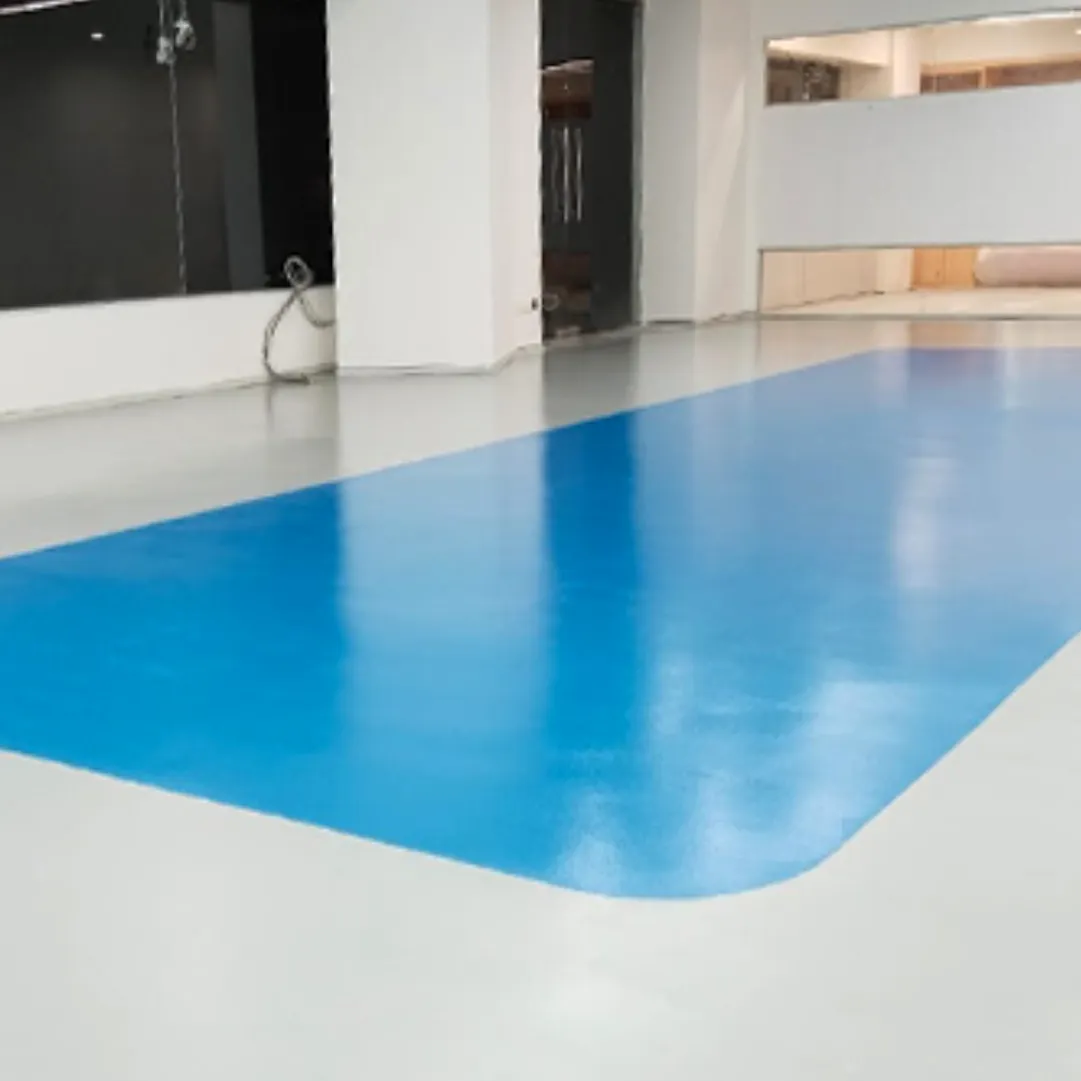
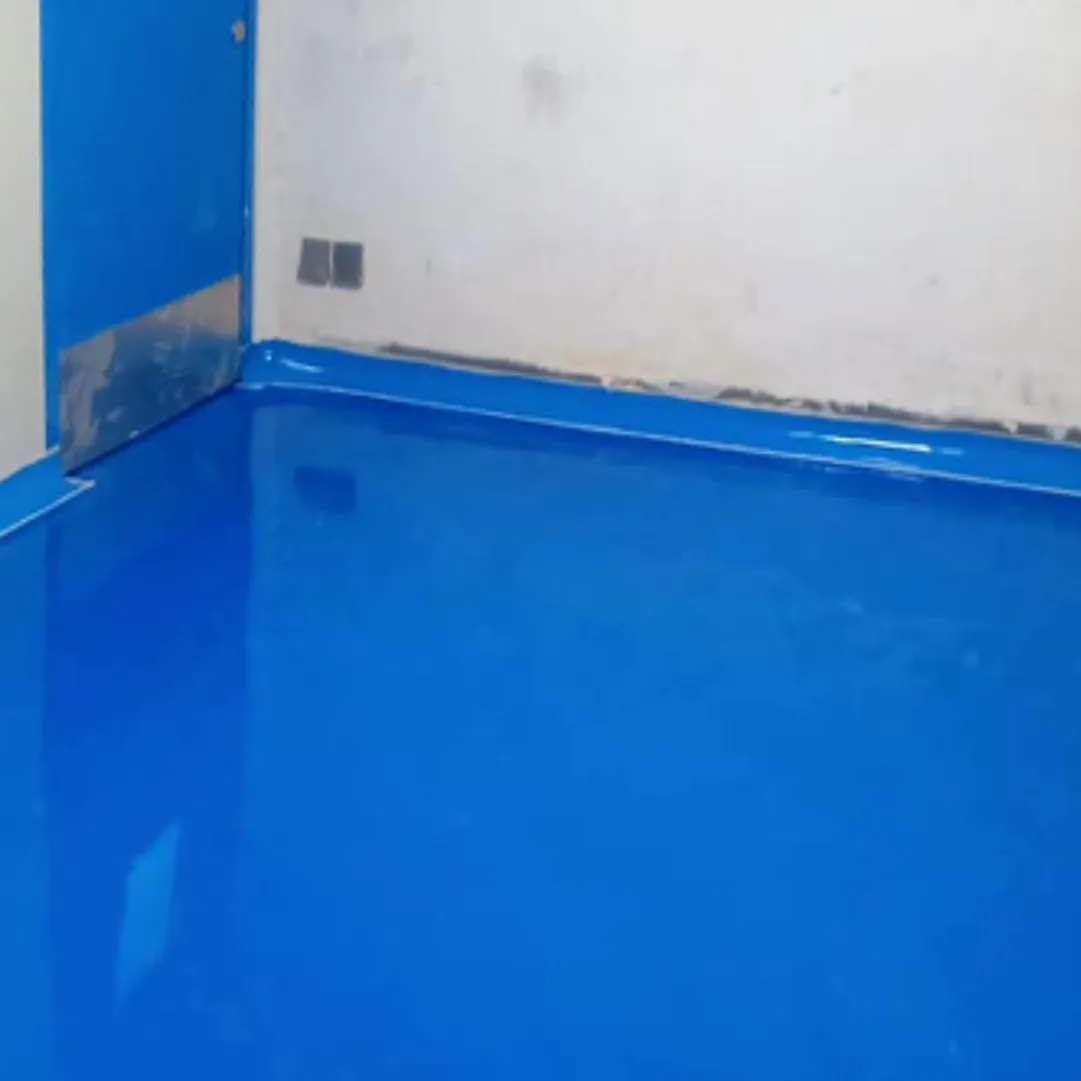


CoatEXX Industrial Solutions provides the services of waterproofing according to the conditions of the area and the covered area. The appropriate solution will be based on the origin of water intrusion, substrate status and protection needs.
Terraces, roofs, basements, walls and other areas that are exposed to moisture can be considered for waterproofing services. The suitable treatment is based on the site of the leakage, the surface and contact with water.
The initial step is to get to know the circumstances of the location and outline the affected area. Depending on the evaluation, the necessary surface preparation, repair and appropriate waterproofing system may be decided on prior to application.
The correct service varies based on the entry point of water, the surface and the source of the issues. A site analysis will help determine whether cracks and joints should be treated, a membrane system should be installed or some other waterproofing method that is more desirable should be adopted.
The price will be based on the place of treatment, the severity of the leakage, the preparation of the surface, the repair, the materials and the number of application layers. The accessibility of the site and time to cure might also play a role in the project estimate.
You may call CoatEXX Industrial Solutions to discuss your waterproofing needs and schedule a site evaluation, where needed. Providing information on the impacted area, observable leakage and current surface condition will assist in setting the scope of work and drawing up a project-specific quote.
Gradually, moisture can penetrate roofs, terraces, walls, basements, and any other areas of the building. When in contact with rainwater, standing water, cracks, or damage to protective covering that may occur over a long period may lead to moisture stains, damage and rust.
CoatEXX Industrial Solutions is an Indian based company offering waterproofing services in India to property owners and businesses to deal with water intrusion and safeguard building surfaces. Choosing the correct solution depends on the location of the leak as well as on the condition of the substrate and the way in which water reaches the leakage area.
Waterproofing does not merely mean putting a waterproofing layer onto the signs of leakage.It takes place by determining where the introduction of water should take place, surface preparation, treating cracks and the joints where water is required and deciding on a suitable waterproofing system. The practical requirements of any project are considered in our plan, whether it is a terrace, a roof on an industrial building, a basement or a building that keeps water. Proper application, curing and inspection help in improving the efficiency of the system and reducing the likelihood of leakage recurrence. A site assessment is an important step to undertake to determine how to treat the building.
What Are the Different Types of Waterproofing?
The correct procedure of waterproofing will be based on the surface material, the exposure, the pressure of the water, the movement of the structure and the purpose of the area. An understanding of the type of waterproofing would help property owners to compare the alternatives, yet the final decision must be made after a site survey and technical guidance on the products. The terrace-fitting system may not fit the basement where there is a load of groundwater or a tank full of water.
- Liquid-applied waterproofing: It is a coating made from a liquid material to form a continuous protective coating. When the substrate and the end product are compatible, it can be used on complex shapes, corners and areas with multiple details.
- Membrane waterproofing: Membranes are either sheet or liquid-applied membranes that offer a water penetration barrier. The correct detailing of the joints, drains, angles and piercings is crucial in the performance of the system.
- Cementitious waterproofing: Cementitious waterproofing is a coating applied on suitable surfaces of concrete and masonry, usually wet rooms, tanks or any other place allowed by the manufacturer of the product.
- Polyurethane waterproofing: Polyurethane can be used to create a flexible membrane that can be used on appropriate roofs and exposed surfaces. The choice of PU waterproofing membrane will depend on the exposure to UV, the condition of the substrate, movement needs and how the manufacturer wants the membrane to be used.
- Bituminous waterproofing: The coatings or membranes are made out of bitumen and applied in selected roofing and also underground depending on the system.
- Crack and joint treatment: Specialised sealants and repair materials are used to combat cracks, construction and movement joints and provide the entire waterproofing solution.
Waterproofing for Different Areas
Waterproofing of terraces and roofs: Roofs and terraces are exposed to rain, stagnant water, sun, and temperature fluctuations. According to the principles of terrace waterproofing, the following selection depends on the survey of the existing covering, incline, drainage outlets, cracks, and previous covering (if any). These conditions define the optimal waterproofing in terracements and not the fact that a certain product can be used in all buildings.
Waterproofing of the roofs in factories and industries: Metal sheets, concrete slabs, equipment support, drainage and other joints can be used to cover the roofs of industries. When waterproofing roofs in factories, one must take into consideration the leaks, the state of the roof and drainage as well as the compatibility of the chosen system with the current surface. Safety planning for roof access as well as factory work is featured in the planning process.
Waterproofing of basement: Groundwater, concrete cracks, construction joints, or lack of external protection may result in a wet or water-logged basement. Water pressure and entry points are among the factors to be taken into consideration in the process of basement waterproofing. External protection and drainage can be taken into consideration where possible; internal treatment demands a system that is appropriate to the particular conditions of the moisture.
Waterproofing of water tanks: Waterproofing constructions should consist of materials that are suitable to the purpose of the tank and the water it will hold. Waterproofing of water tanks should specifically emphasize on the substrate preparation, joints, curing and any drinking-water contact requirements. Specifications should only be made of products that are intended to be used.
What Are the Signs That Your Building Needs Waterproofing?
Water ingress does not have to reveal itself in the points where water enters the building. The water may travel through the concrete, masonry, joints, and cavities and then reveal itself on wet spots elsewhere. Knowing about the red flags would help the property owners to investigate them before the affected area is damaged further. However, it is necessary to point out that not all problems with moisture are caused by water coming from the outside. The problem may be caused by plumbing leaks, condensation and drainage problems, which should all be excluded.
Some common signs which may indicate the existence of waterproofing problems include:
- Removing paint and blistering finishes: Water behind the paint may cause the paint to blister, peel or lose its stickiness.
- Efflorescence: Concrete or masonry may have white mineral deposits, which may indicate movement of moisture through the material.
Coating a surface in an incorrect manner without fixing faulty drainage or an unstable substrate, open joints, or even the source of the leakage may not solve the issue. The necessary repair and waterproofing will be determined with the help of professional evaluation.
Waterproofing Services Cost in India
The cost of waterproofing will depend on the land area that ought to be covered, the nature of the present state of the surface, the source of leaks and the materials that will be utilized. The price of terrace waterproofing is extremely different from the price of treating a basement, an industrial roof or a water-retaining building. Even the most basic application on a sound substrate may necessitate varying preparation and detailing specifications for a project which involves a great deal of crack repair, removal of old finishes or correction of drainage problems.
Several factors influence the total project estimate:
- Location and approach: The area of work, roof height and safety procedures play a key role in defining the labour and equipment necessary for the project.
- Preparation of surfaces: It can be required to carry out cleaning, stripping of the loose paint coating and cement surface, grinding, and repairing cracks and the substrate.
- Membranes: There is a great variety of membranes, including liquid-applied membranes and cementitious products, which differ in terms of material and their application process.
- Layers: The defined number of layers, thickness of membrane and type of reinforcement and protective screed affect the material and labour consumption.
- Cracks, joints and penetrations: The details of drainage of the roof should be such as to enable the proper water flow through the drainage outlets, pipe entries and expansion joints.
In order to estimate it correctly, it is necessary to visit the site, and the quotation should indicate the work done on the preparation, offered waterproofing system, the layers of application, repairs, testing and exclusion. When waterproofing companies in India are being compared, businesses should consider quotations based on the same scope of work as opposed to just the headline price. A reduced initial price may not be a better offer when alternative things such as repairs required, polishing or covering are not included.
How to Choose the Best Waterproofing Company in India
When it comes to choosing a waterproofing company, checking their ability to detect the causes of water drips and choose the most suitable technology is a must. When discussing industrial facilities, the company should explain why they prefer this or that technology, what kind of preparations they need to perform the work, and how they will check it.
This is the list of items to take into consideration when drawing the comparison of the companies that provide waterproofing services.
- Site inspection: The provider is to inspect the affected site, substrate condition, drainage and cracks and possible leakage points and suggest a solution.
- Expertise: Roofs, decks, cellars and tanks differ in a lot of aspects. Re-ensure that the service provider understands the unique situation of your case.
- Surface preparation and detailing: Ensure that the process includes the treatment of any cracks or gaps, dripping and other edges.
- Written estimate: It is important to ensure that the quote contains preparation, repair services, materials and layer thickness, testing and exceptions.
- Quality checks: Ask questions as to how the inspection of the work done is done by the contractor and whether they have done proper water tests.
- Maintenance and warranty conditions: The warranty must be accepted in writing, and its coverage, limitations and conditions of maintenance.
Why Choose CoatEXX Industrial Solutions for Waterproofing Service?
CoatEXXIndustrial Solutions will approach waterproofing problems by taking into account the surface onto which it will be applied to the waterproofing, the source of moisture and the environments that the waterproofed area will be exposed to. Instead of addressing all leakage issues uniformly, the goal is to find an appropriate system, depending on the substrate, exposure and practical needs of the property. This is an assessment-based methodology that helps in determining the preparation, repair and application work needed in the project.
CoatEXX Industrial Solutions encourages customers to provide information about the previous site of the leakage, the approximate area, the state and age of the surface used and the previous repair work performed with the site and any special restrictions. These are facts that add to the site assessment and project-specific quotation requirements. Gather together the team and discuss with them the need to safeguard your waterproofing needs and what the next step should be to ensure the safety of your building or industrial plant.
Get in touch with CoatEXXIndustrial Solutions to discuss a suitable waterproofing approach and request a quotation based on your property's actual conditions.
Get a site visit and a clear quotation from Coatexx Industrial Solutions.