- Home
- Epoxy Flooring
- ESD / Anti-Static Flooring
ESD / Anti-Static Flooring Services
Thickness Range
Indicative Light Traffic Cure
Indicative Full Cure

What Is ESD Flooring?
ESD flooring, otherwise referred to as electrostatic discharge flooring, is a kind of flooring technology meant for managing the accumulation and discharge of static electricity. It ensures that there is a proper channel for discharging electrical charges to a grounded point, thus preventing any electrostatic discharge occurrence in the area of concern. The use of ESD flooring is common in electronics fabrication factories, laboratories, pharmaceutical firms, and data centers among other places.
The build-up of static electricity can be caused by various activities such as walking, frictional movement, and contact with different equipment, packaging and the floor. This will make the charge to release and damage the sensitive components and affect their functioning and assembly. This is why it is important to have the right ESD flooring installed.
While typical flooring materials do not need to adhere to any particular electrical resistance specifications for their construction, ESD flooring is constructed in such a way that it adheres to certain resistance requirements based on the purpose that it will serve.
The effectiveness of ESD flooring is influenced by material choice, preparation of the surface, grounding, installation quality, and testing. The suitable type should thus be chosen based on electrical properties and industry standards.
|
Feature |
Conductive flooring |
Static-dissipative flooring |
|
Electrical resistance |
Lower resistance within its specified category |
Higher resistance within its specified category |
|
Charge movement |
Allows charge to flow more readily |
Allows charge to dissipate in a controlled manner |
|
Typical use |
Areas requiring a more conductive path |
Electronics assembly, laboratories, and sensitive work areas |
|
Selection basis |
Required conductive performance |
Required dissipative performance |
|
Installation needs |
Suitable grounding and resistance testing |
Suitable grounding and resistance testing |
We study how the floor is used and test the slab before recommending anything.
A written quotation with the right system, layer build-up and timeline.
Work zones, shifts and access agreed so your production carries on.
Grinding or shot blasting opens the concrete for a strong bond.
Cracks, joints and uneven areas repaired and levelled flat.
A penetrating primer seals the slab and bonds every layer above it.
Body coat and topcoat go down within the manufacturer's recoat window.
Inspected, tested and handed over with clear usage guidance.
- Helps control static charge accumulation
- Supports protection of sensitive electronic components
- Available in resin, vinyl, and tile systems
- Can provide a seamless and cleanable surface
- Suitable for different industrial and technical areas
- Electrical performance can be tested
- Requires a suitable grounding arrangement
- Must meet specified electrical resistance requirements
- May cost more than conventional flooring
- Requires proper surface preparation
- Performance can be affected by wear or contamination
- Periodic inspection and testing may be necessary
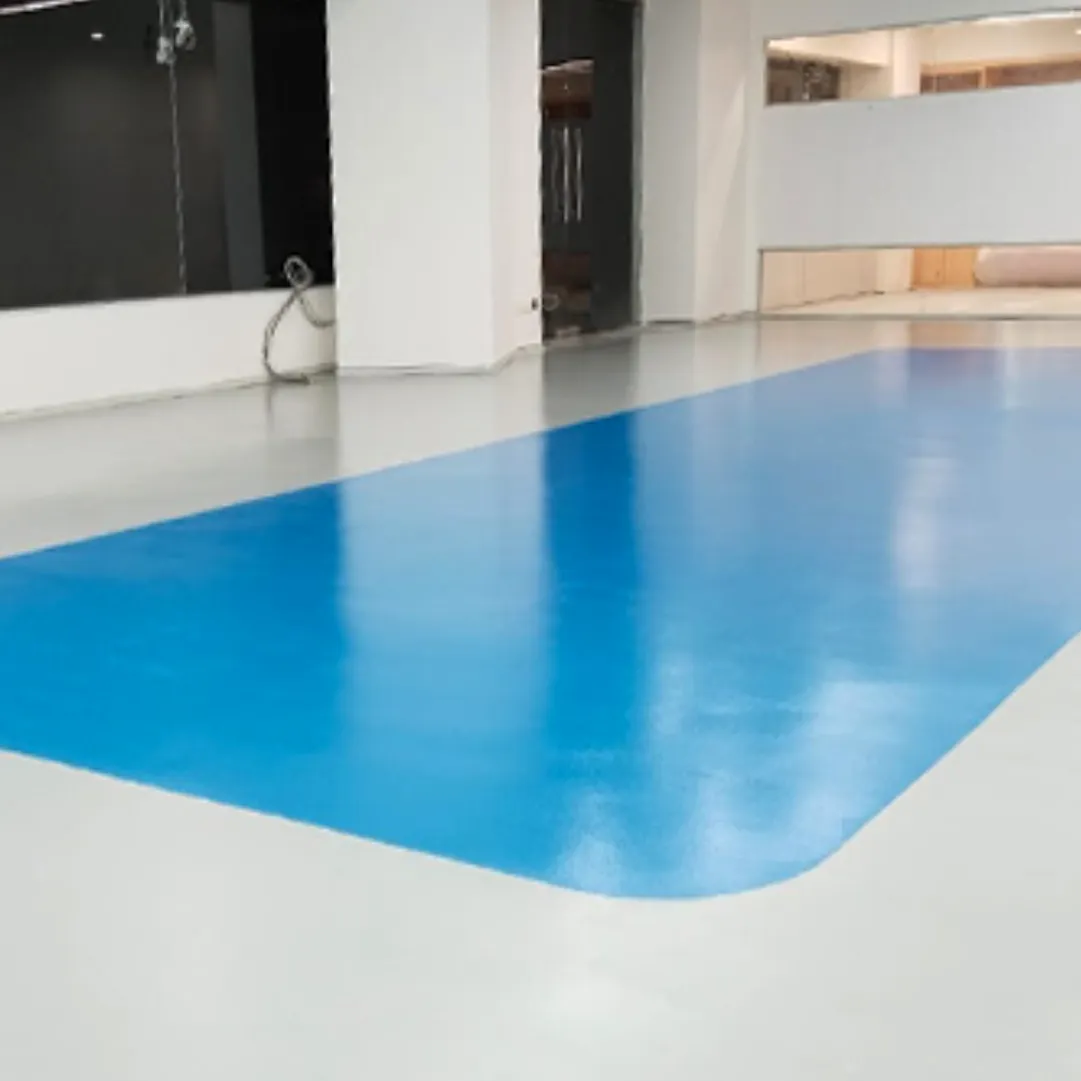
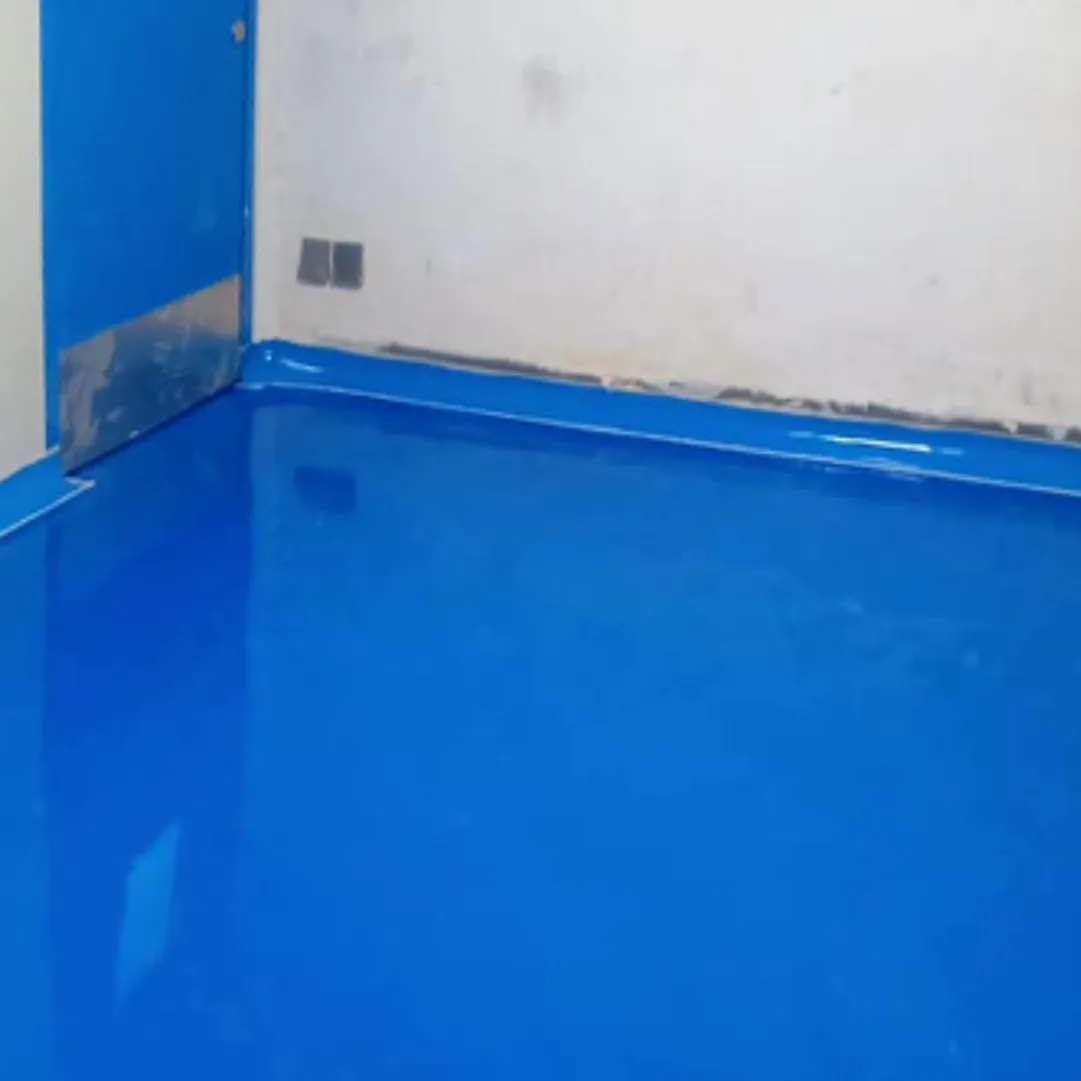


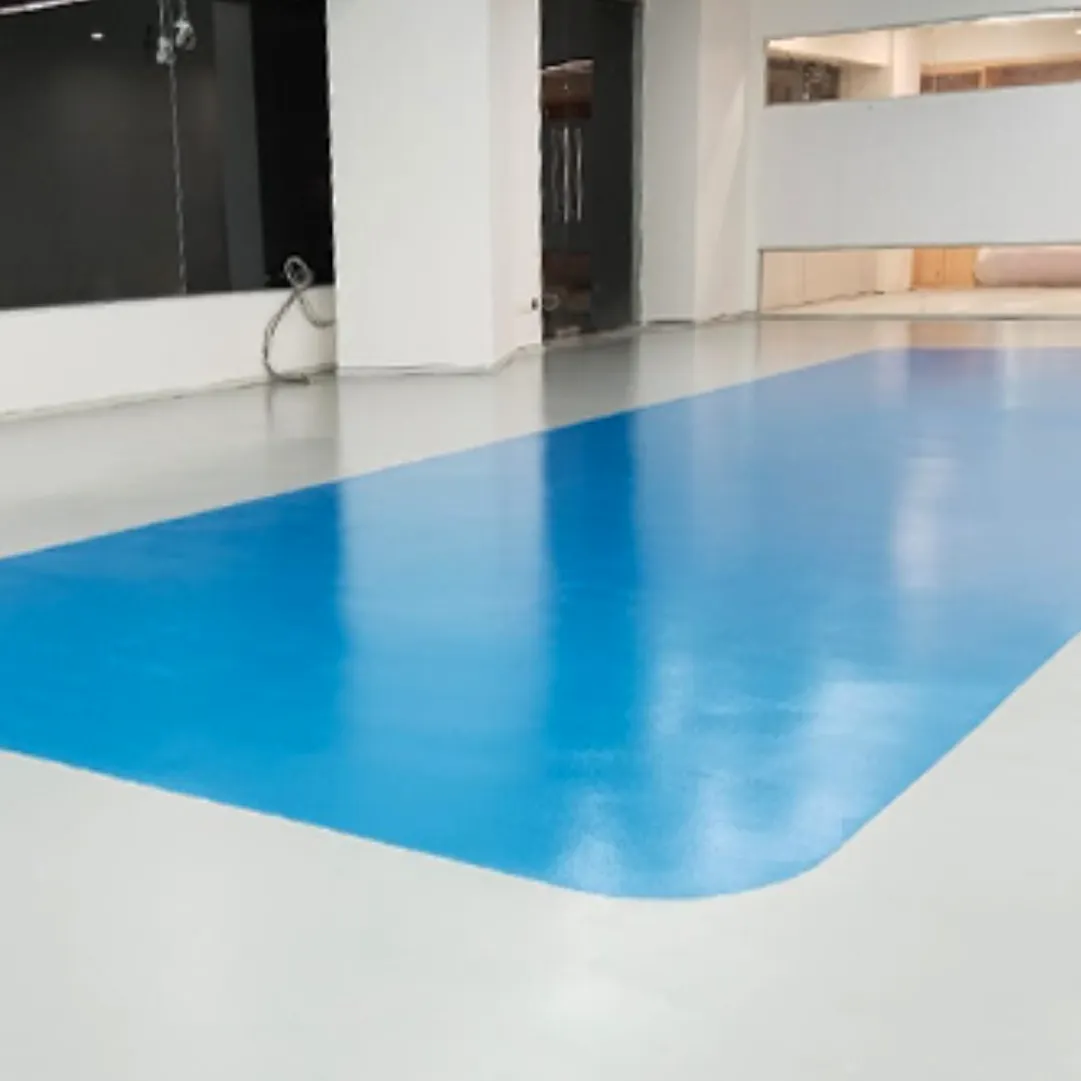
ESD flooring is useful for controlling static electricity, especially in cases where the electronic parts are very sensitive. ESD flooring is used in such places as electronics assembly plants, laboratories, pharmaceutical industries, and clean rooms.
Anti-static flooring is basically any floor covering that minimizes static electricity. ESD flooring refers to floor coverings that meet specific criteria with regard to electrostatic discharge protection. The electrical performance of the ESD flooring must be tested and documented.
Not all ESD flooring systems will use the same method of grounding. Some ESD flooring will need copper grid or copper tape, but other ESD flooring will not use it.
It may be a good choice, provided that the system satisfies all the hygiene, cleaning, chemical resistance, and environmental requirements. The specifications of the product must be considered before installation.
The following are some of the determinants of cost; material, electrical properties, thickness, surface preparation, grounding, size and testing specifications. The most accurate means of determining cost is by developing a quotation based on site conditions.
Sometimes, it may be necessary to check that the floor meets the required level of performance. Testing frequency must be determined by the standard and documentation.
CoatEXX Industrial Solutions provides flooring solutions for industries and commercial premises that need durable, clean surfaces and static electricity control. Electrostatic discharge flooring is applied in facilities that manufacture or deal with sensitive electronic parts, electrical devices, pharmaceutical products, and other materials whose electrostatic discharge must be controlled. As one of the providers of ESD flooring services in India, CoatEXX Industrial Solutions can be contacted for flooring solutions in relation to the nature of the facility and conditions of operations.
ESD flooring facilitates control of the flow of static electricity and creates a suitable environment for dissipation of the electrical charges. Depending on the choice of the system, it can be applied in electronics manufacturing factories, laboratories, data centers, pharmaceutical facilities, and special industrial spaces. Selection of the appropriate flooring system is based on such factors as electrical resistance requirements, grounding, traffic on the floors, cleaning procedures, and sensitivity of the equipment.ESD Flooring: Types, Applications, Benefits, and Cost in India
What is the working principle of ESD Floor?
An ESD floor offers a safe path for dissipation of static electricity rather than permitting it to build up on the body or item. The floor should be appropriately grounded to allow the dissipation of the charge through the ground.
The following procedure is usually followed during installation:
- Site survey: The site is assessed for any cracks, contamination, moisture, and rough surfaces.
- Electrical survey: The required resistance level and the standard for the particular project are determined.
- Surface treatment: Surface treatment can be done by grinding or some other suitable method.
- Grounding system: The grounding points and the conducting connection systems are designed based on the selected system.
Proper installation of ESD flooring is necessary because conductivity alone cannot guarantee the control of static electricity.
Types of ESD Flooring Systems
Various flooring systems can be chosen depending on their electrical resistance, traffic, maintenance, and the surrounding environment.
1. ESD Epoxy Flooring
ESD epoxy flooring is an epoxy type of flooring system designed to manage electrostatic discharges. It includes some conductive materials or layers and needs some grounding.
It can be a good option for electronics manufacturing plants, laboratories, assembly places, and any other assembly areas that need the durability of the seamless and static control. It needs to comply with certain electrical resistance requirements.
2. Anti-Static Epoxy Flooring
Anti-static epoxy flooring is a flooring system including epoxy coating with properties of reducing static electricity accumulation. It can be used in technical workshops, electronics manufacturing places, and testing facilities.
"Anti static" can mean different anti-static features of the material, so it needs to be checked before purchasing.
3. Conductive Epoxy Flooring
Conductive epoxy flooring utilizes the material with relatively low electrical resistance that allows the transfer of static charge from the floor to the grounding point.
4. Static Dissipative Floor Covering
Static Dissipative Floor Covering facilitates the movement of electrical charges at a controllable speed. It is generally selected for use in electronics assembly, laboratory applications and other applications where dissipation of electrical charge is required to be controlled.
The suitability of static dissipative floor covering is determined by the electrical resistance requirement, sensitivity of equipment used and overall ESD program.
5. ESD Vinyl/Tile Floor Coverings
ESD Vinyl/Tile Floor Coverings are other forms of ESD floor coverings apart from resin based floor covering. The resin-based covering type of installation desired by the facility manager.
The values of specific resistance will depend on the relevant standards and specifications applicable to the particular project. This factor should consider the sensitivity of the equipment used, grounding system, shoes, and electrostatic control program.
ESD Flooring Copper Grid and Grounding
There exists some systems that utilize floor copper grids for making connection between the floor conductor and grounding points. The use of copper tape or copper grid depends on the product design and it is applied to the substrate before applying the floor covering material.
In this case, preparation of the concrete, installing the copper tape, connecting the tape to the grounding point and laying down the required floor covering material is done. After installing the floor, the electrical resistance and the grounding continuity test is done.
Installation of copper grid alone does not qualify a floor to be an ESD floor. The floor cover material, grounding and the installation must satisfy the electrical requirements. The grounding should be done by the experts, with drawings and testing of the result recorded for future reference.
ESD Flooring Installation Service
An installation service for ESD flooring is not only about applying a coating. Surface preparation, ground design, choice of material, coating thickness and electrical testing are all factors that affect how the floor will perform after installation.
The installer needs to consider the following before installation: the desired resistance, state of the substrate, types of activities that take place, and cleaning process involved.
Installation factors to consider are:
- Surface preparation: The concrete should be sound and suitable for the chosen system.
- Moisture assessment: Moisture can impact on the bond and create problems in the flooring.
- Grounding design: The conductive connections have to conform to the system specifications.
- Correct installation: Each coat has to be laid as per the thickness specified.
- Electrical testing: The completed floor has to undergo electrical testing.
- Documentation: Details of the materials used and the testing results should be documented.
The floor should not go back to regular use until all curing and testing is done.
Applications of ESD Flooring
ESD flooring is installed in places where there is an uncontrolled static charge which could have an adverse impact on the products, equipment, or processes.
Typical uses include:
- Manufacturing of electronics: Assists in the management of electrostatic discharge from the circuit boards or any other sensitive electronic equipment.
- Manufacturing of semiconductors: Used in the management of static charge in the specially marked manufacturing and handling zones.
- Manufacturing of pharmaceuticals: Can be one of the components of the electrostatic management program in appropriate production zones.
ESD flooring is not a substitute for other electrostatic protection measures. Appropriate footwear, grounding of personnel and equipment, packaging, and procedures might also be needed.
ESD Epoxy Flooring for Pharma
ESD epoxy flooring for pharma is evaluated in facilities that require static control properties, cleanable surfaces, and durability. Some of the manufacturing and packaging areas have sensitive electrical components, powder, packing material, or electrostatic procedures.
Things that must be considered when selecting floors for pharmaceutical purposes are:
- Electrical resistance required and grounding method.
- Compatibility with cleaners and sanitizers.
- Smooth surface capable of being cleaned regularly.
- Ability to withstand foot traffic and moving equipment.
- Clean room compatibility, if applicable.
- Proper junctions of walls to floors and joints.
- Test results of the electrical properties and maintenance.
ESD flooring is not necessary for all pharma spaces, nor is it automatically compatible with clean room and pharmaceutical cleanliness standards.
Anti-Static Flooring Cost in India
The cost of anti-static flooring is determined by the material used, required electrical resistance, thickness of the flooring system, current floor conditions and the grounding method. Conductive coatings, dissipative systems and special tiles come in varying material specifications and installation procedures.
The rate of anti-static flooring per sq ft should hence be analyzed in view of the entire project specifications and not just the price of the coating.
Factors that may affect the total cost include:
- Flooring material: Cost variations exist among ESD epoxy, conductive coatings and specialized tiles.
- Electrical specifications: The required range of resistance will determine the materials and systems used.
- Thickness: The cost increases with an increase in the system thickness.
- Surface preparations: Grinding, repairs and any moisture treatments will affect the cost.
- Copper grid and grounding: Tape, grounding, connection and installation of the same will affect the total cost of the project.
The best quotation should consider a site survey and clear scope of work.It must be made clear if the quoted amount applies to the surface preparation, primer, ESD paint, grounding and electrical tests and repairs.
How to Obtain a Quotation for ESD Flooring
The ESD flooring quote should indicate clearly the flooring system being recommended along with its electrical properties.
Prior to making a request for a quote, the following details should be made available:
- Flooring area size and location.
- Facility type and the activity being performed in this area.
- Range of electrical resistance needed or the standards of the project.
- Current state of the floor and any damages.
- Foot traffic, trolley traffic, and equipment loads on the flooring.
- Requirement for the use of copper tape, grounding points, and grounding.
- Cleanliness and exposure to chemicals or moisture.
- Desired finish and installation date and restrictions on operations.
The quotation will specify the material of the flooring, its thickness, grounding requirements, preparation of the surface, testing needed, and non-inclusions.
Selecting an ESD Flooring Contractor
Choosing an ESD flooring contractor involves taking into account issues related to both flooring and electricity. It is important that a company know how these aspects relate to each other.
When you select a service provider, take into account the following:
- Technical expertise: Try to find companies that have experience in similar projects.
- Material requirements: Ask for technical information about expected electric properties.
- Electrical grounding: Find out how the points of grounding and conductive connections will be installed.
- Installation method: Check the technique of preparation, the thickness of floor and curing.
It is much more productive to compare technical proposals than prices.
Obtain ESD Flooring Solutions in India through CoatEXX Industrial Solutions
Seeking solutions for ESD flooring installation in India for an electronics factory, lab space, pharmaceutical facility, or other industrial flooring needs? CoatEXX Industrial Solutions should be contacted to explore flooring solutions for your needs and understand the elements involved in choosing an ideal ESD system.
Looking for reliable ESD flooring services in India? CoatEXX Industrial Solutions helps you explore suitable static-control flooring systems for electronics units, laboratories, pharmaceutical facilities, and other sensitive work areas.
Contact CoatEXX Industrial Solutions today to discuss your ESD flooring requirements and request a customised quotation.
Get a site visit and a clear quotation from Coatexx Industrial Solutions.