Thickness Range
Light Traffic Cure
Full chemical cure
Finishes

What Is Epoxy Flooring?
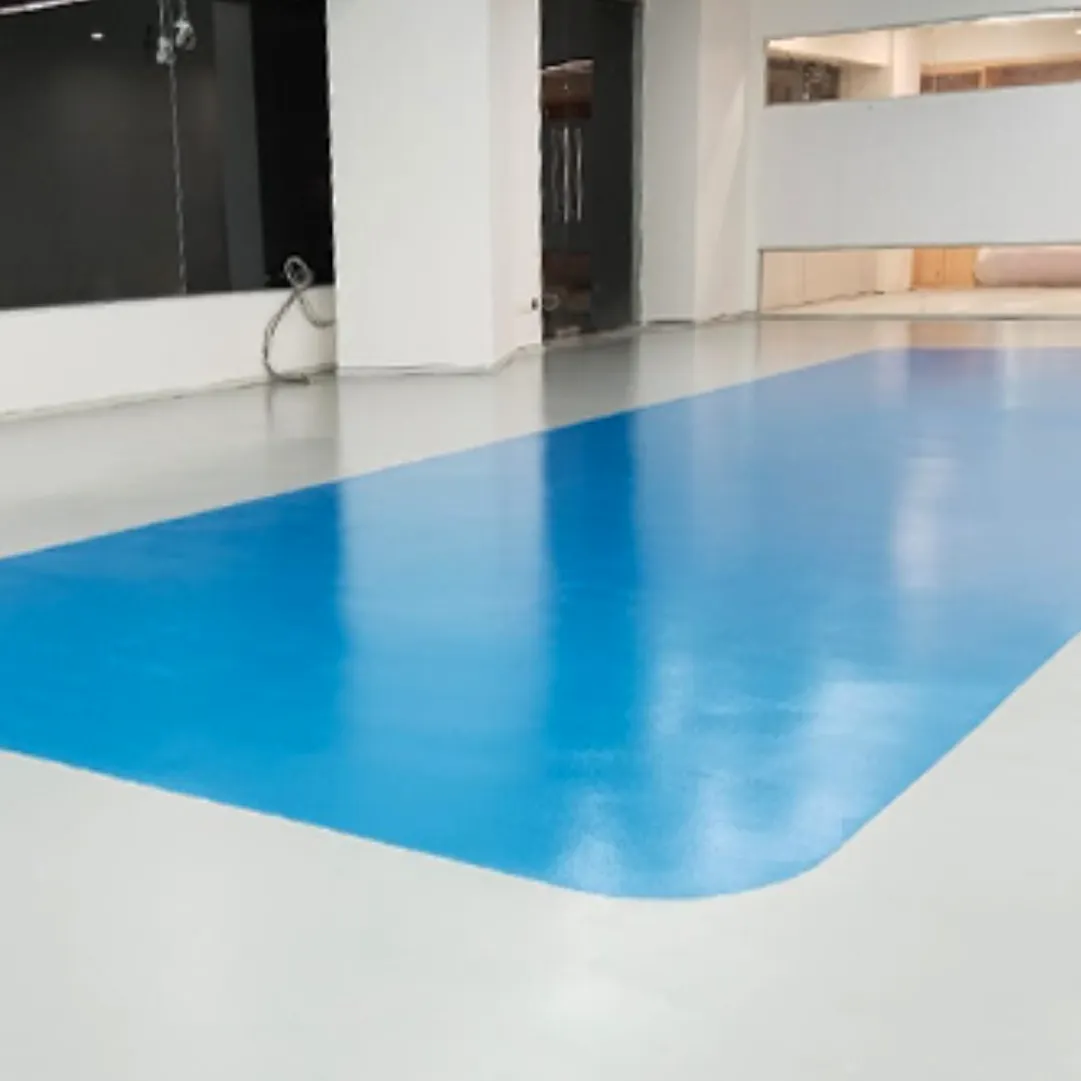
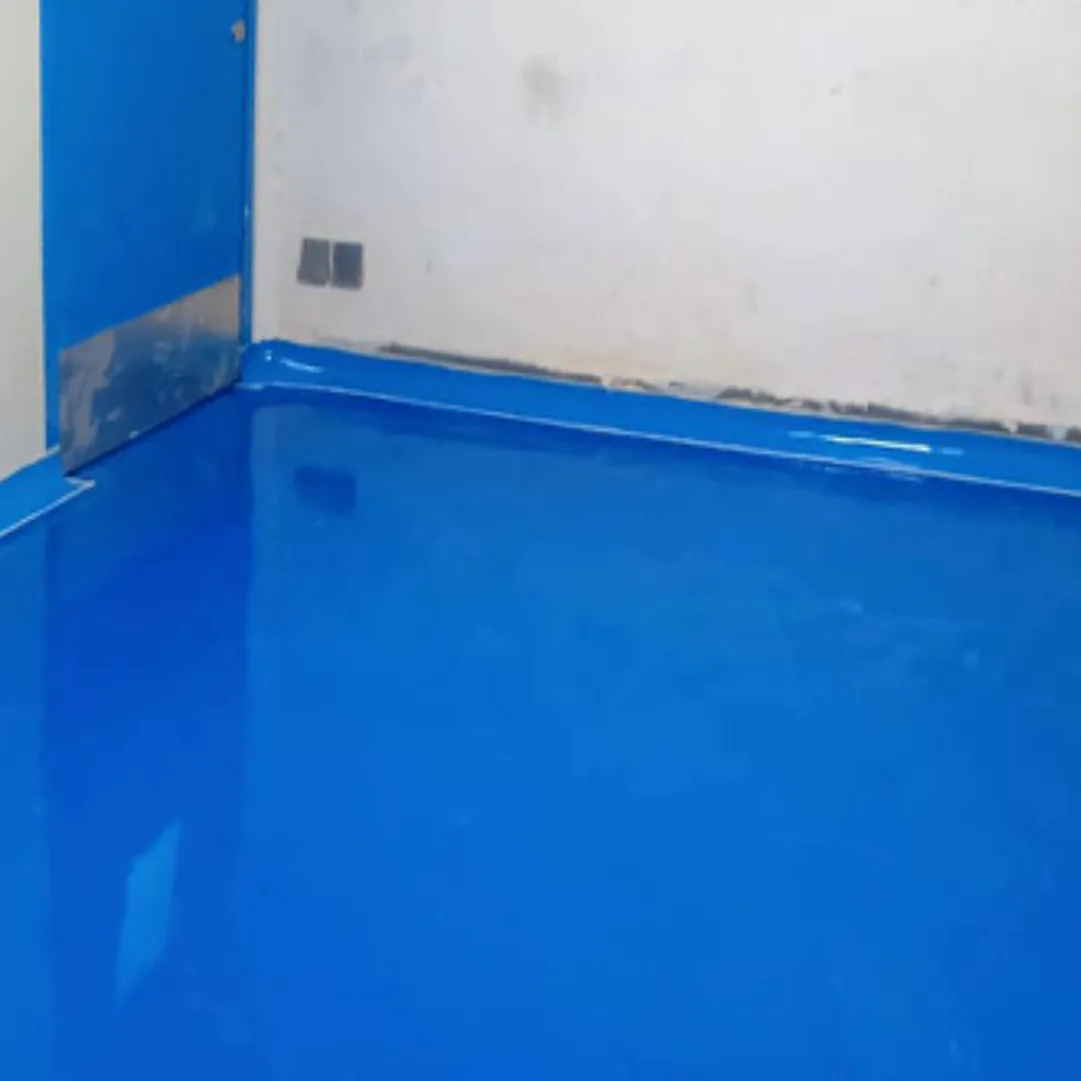
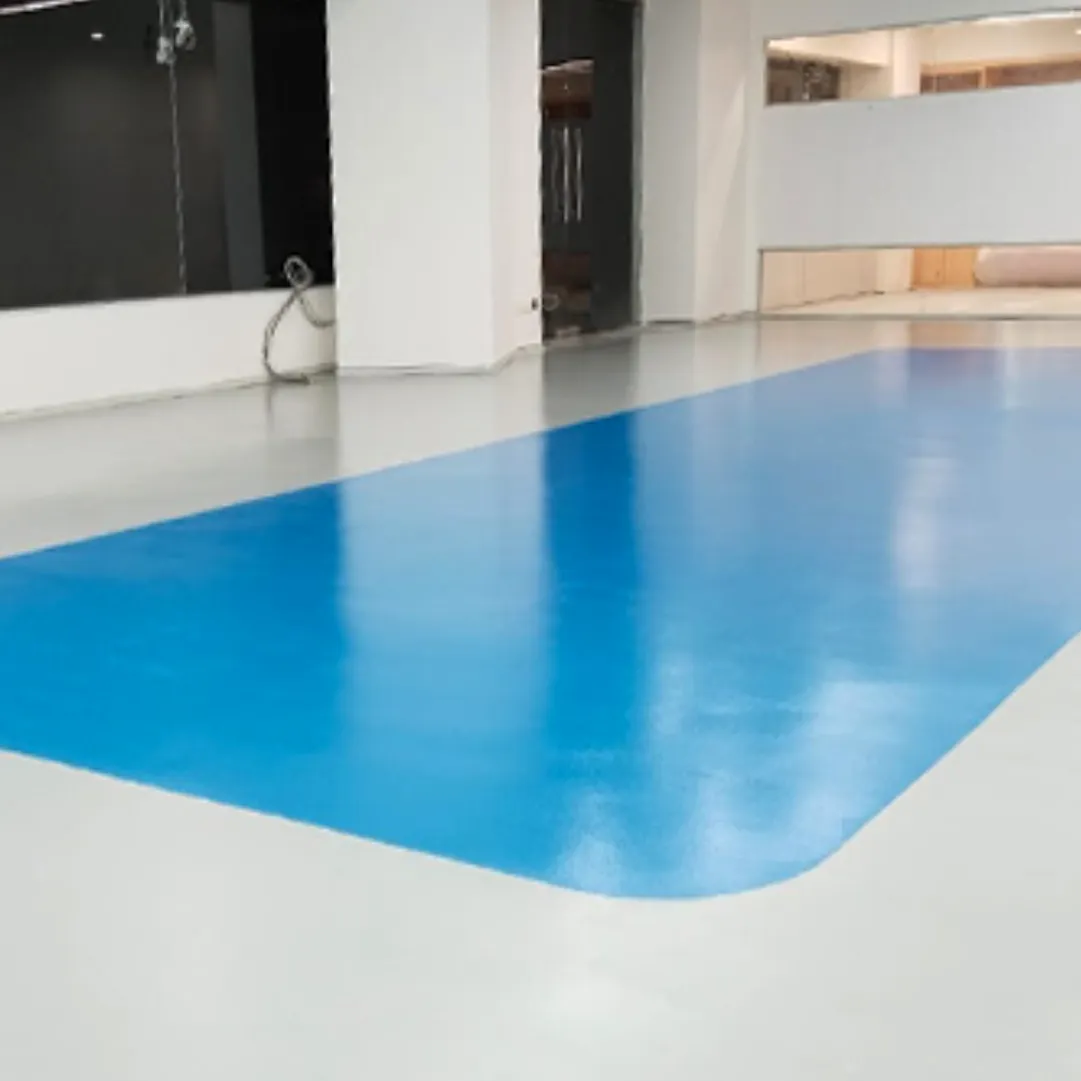
An epoxy floor coating system is a type of floor coating that is formed using epoxy resin and the corresponding hardener. If these two materials are mixed in accordance with the recommended proportion and then used for coating a correctly prepared surface, a chemical reaction takes place, and as a result, an epoxy coating is formed. This type of floor coating is usually applied to concrete floors in industrial spaces, commercial buildings, warehouses, factories, laboratories, and other facilities where it is necessary to protect the floor.
The most important purpose of epoxy floor coating is the improvement of its strength, aesthetics, and usability. Depending on the chosen system, it will help to obtain a seamless surface which will provide the concrete floor with protection from regular wear, dust, and some kinds of chemical exposure. The effectiveness of the system depends on the thickness of the coating, its correct application, and the quality of the material.
If you are interested in the difference between the industrial epoxy coatings and regular floor paints, the main difference between them is related to their composition and usage.
|
Factor |
Standard Epoxy Flooring |
Heavy Duty Epoxy Screed Flooring |
|
System type |
Generally a thinner coating or flooring layer |
Generally a thicker, more substantial system |
|
Typical applications |
Selected workshops, commercial areas, and light-duty industrial spaces |
Selected production areas, demanding workshops, and industrial processing zones |
|
Material requirement |
Usually lower for the same area, depending on the product |
Usually higher because of the thicker system |
|
Surface preparation |
Essential for proper adhesion |
Essential, including repairs where necessary |
|
Wear requirements |
Suitable for the specified level of traffic and wear |
Can be specified for more demanding wear conditions |
|
Cost considerations |
Depends on product, preparation, and area |
May cost more because of additional material and installation requirements |
|
Final selection |
Based on the required finish and operating conditions |
Based on load, traffic, exposure, and system performance |
We study how the floor is used and test the slab before recommending anything.
A written quotation with the right system, layer build-up and timeline.
Work zones, shifts and access agreed so your production carries on.
Grinding or shot blasting opens the concrete for a strong bond.
Cracks, joints and uneven areas repaired and levelled flat.
A penetrating primer seals the slab and bonds every layer above it.
Body coat and topcoat go down within the manufacturer's recoat window.
Inspected, tested and handed over with clear usage guidance.
-
Provides a smooth, dust-resistant surface that is easier to clean and maintain.
-
Helps protect concrete from stains, abrasion, and certain chemical exposure.
-
Offers consistent colours and finishes for a clean, professional look.
-
Available in thin-film coatings, self-levelling systems, and heavy-duty epoxy screeds.
-
Enhances surface resistance to everyday wear and foot traffic when correctly specified.
-
Supports gloss, matt, and anti-slip finishes based on site requirements.
- Seamless and hygienic: no joints for dirt, water or bacteria
- Chemical resistant to oils, many acids, alkalis and cleaning agents
- Dust-free surface that stops concrete from powdering
- Easy to clean with mops and scrubber-driers
- Bright and colour-coded floors that improve light and safety marking
- Surface Preparation Required: Needs properly prepared, dry concrete for reliable adhesion and long-term performance.
- Repair Complexity: Damaged or peeling areas may require grinding and recoating to restore the finish.
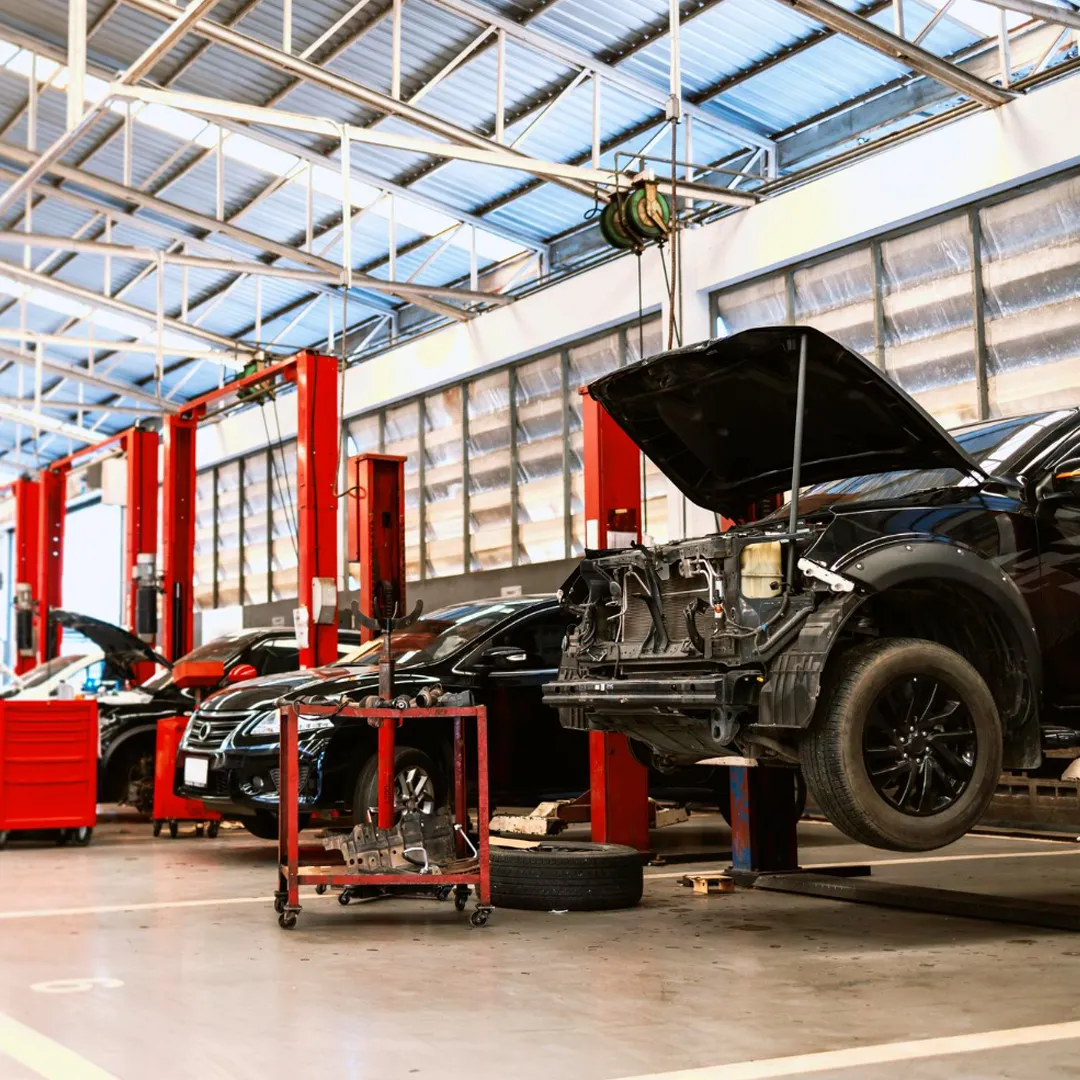
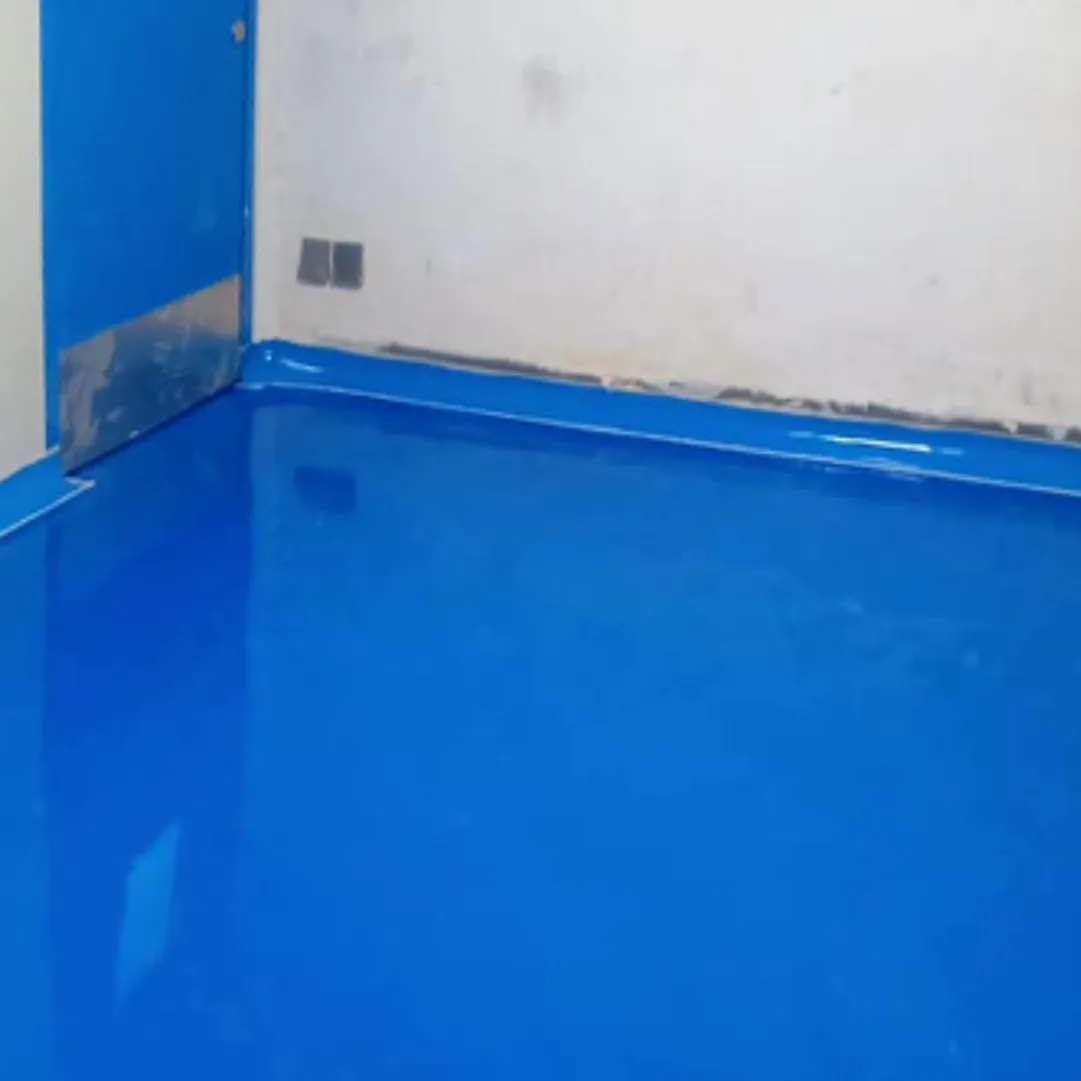
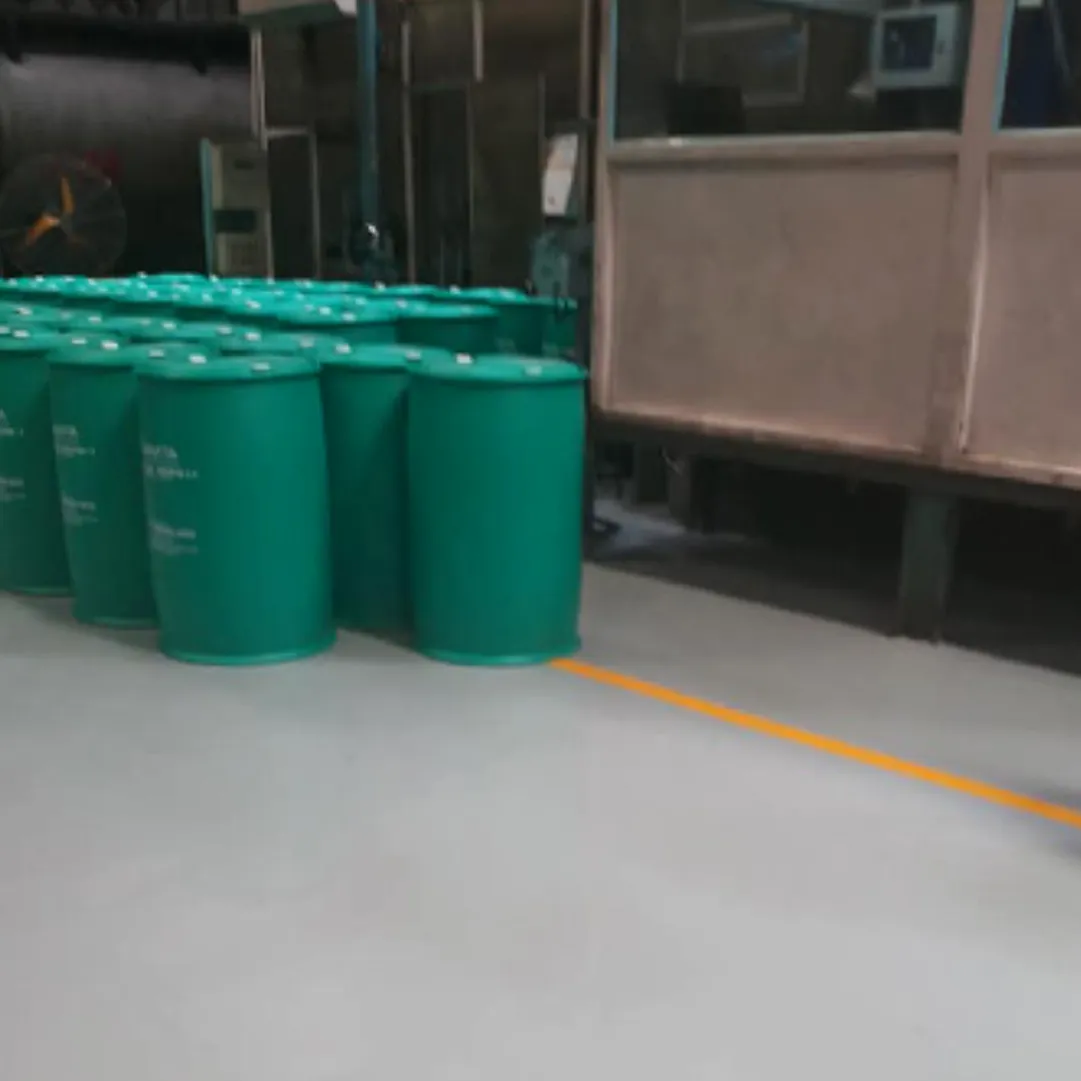


The cost of epoxy flooring varies according to the type of flooring, specifications of materials, thickness, floor conditions, preparation, and other variables that will depend on the scale of the project. It requires an assessment to determine the costs.
Epoxy flooring is applied as a coating over correctly prepared concrete flooring. Epoxy flooring is normally recommended for industrial applications like factories, warehouses, workshops, laboratories, and even some commercial buildings.
Epoxy flooring can fit factory floors if the chosen system takes into consideration all of the required criteria.
Heavy duty epoxy screed is a thicker type of flooring that is suited to particular harsh industrial floors. The suitability of such a floor depends on the particular flooring system chosen, the anticipated loadings, wear, and operating conditions.
The curing time of the epoxy floor depends on the product applied, floor temperature, curing conditions, and the thickness of the system. All manufacturer’s instructions should be followed before walking on, driving on, or working machinery on the floor.
Provide details about the size of the floor, the place where it is located, the state of the current floor, and the way it will be used. Information about heavy machinery usage, chemical exposure, and time periods is also helpful.
CoatEXX Industrial Solutions offers epoxy flooring services in India for use in industries, workshops, factories, manufacturing facilities, laboratories and all similar places where there is a need for a very durable and easy-to-maintain flooring system. The epoxy flooring is applied over the well-prepared concrete flooring surface in order to protect the flooring and enhance its looks.
The type of epoxy flooring that is needed will depend on the condition of the existing concrete surface, the traffic and movement of personnel, presence of chemicals, and activities taking place in the building. Some places might need a thinner epoxy flooring, while others will need a thicker epoxy flooring system. There are cases when there is a need for heavy-duty epoxy screed flooring due to the thick nature of the floor required.
CoatEXX Industrial Solutions takes into consideration the purpose of the floor as well as the state of the construction site before recommending an appropriate flooring system.
Epoxy Flooring System Types
There are various epoxy flooring systems available for different working conditions. The choice of the epoxy flooring system has to be made according to the performance required.
1. Epoxy Coating Floors
Epoxy coating flooring is recommended for selected industrial or commercial floors that need to have protection from outside damage by providing an additional surface layer. This type of flooring system can be used for workshops, servicing areas, store-rooms, and any other area that experiences light or moderate traffic, depending on the type of product chosen.
The concrete base should be sound and prepared appropriately since the thin coating cannot hide the bad condition of the concrete surface.
2. Self-Levelling Epoxy Floors
The self-leveling epoxy is applied using a flowable product that will cover the prepared surface to create an even surface. This epoxy flooring system is usually chosen for laboratories, inspection rooms, selected production facilities, and commercial interiors.
The thickness of the flooring depends on the system used and the needs of the specific site. Floor preparation is necessary since the product is not designed to fix major construction problems.
3. Heavy Duty Epoxy Screed Flooring
This is a heavy-duty epoxy floor coating that can be installed in areas where tough conditions are expected. Depending on the type of system chosen, this could be used in manufacturing floors, workshops, processing areas, and some industrial sites subjected to mechanical wear.
The right thickness, compressive strength, chemical resistance and texture of the surface should be determined prior to installation. Floors subject to forklifts, impacts and heavy loads will require a different system.
4. Anti-Slip Epoxy Flooring
Anti-slip epoxy floor coating uses a proper aggregate in the top layer for slip resistance. This can be used in selected work areas, access ways and places where slippery surfaces are likely to occur due to moisture or process materials.
Proper texture is determined by the working environment and the requirement for cleaning. Slip resistance of the surface should be determined from the working environment itself and not just because of the epoxy finish.
Industrial Epoxy Flooring for Factories and Warehouses
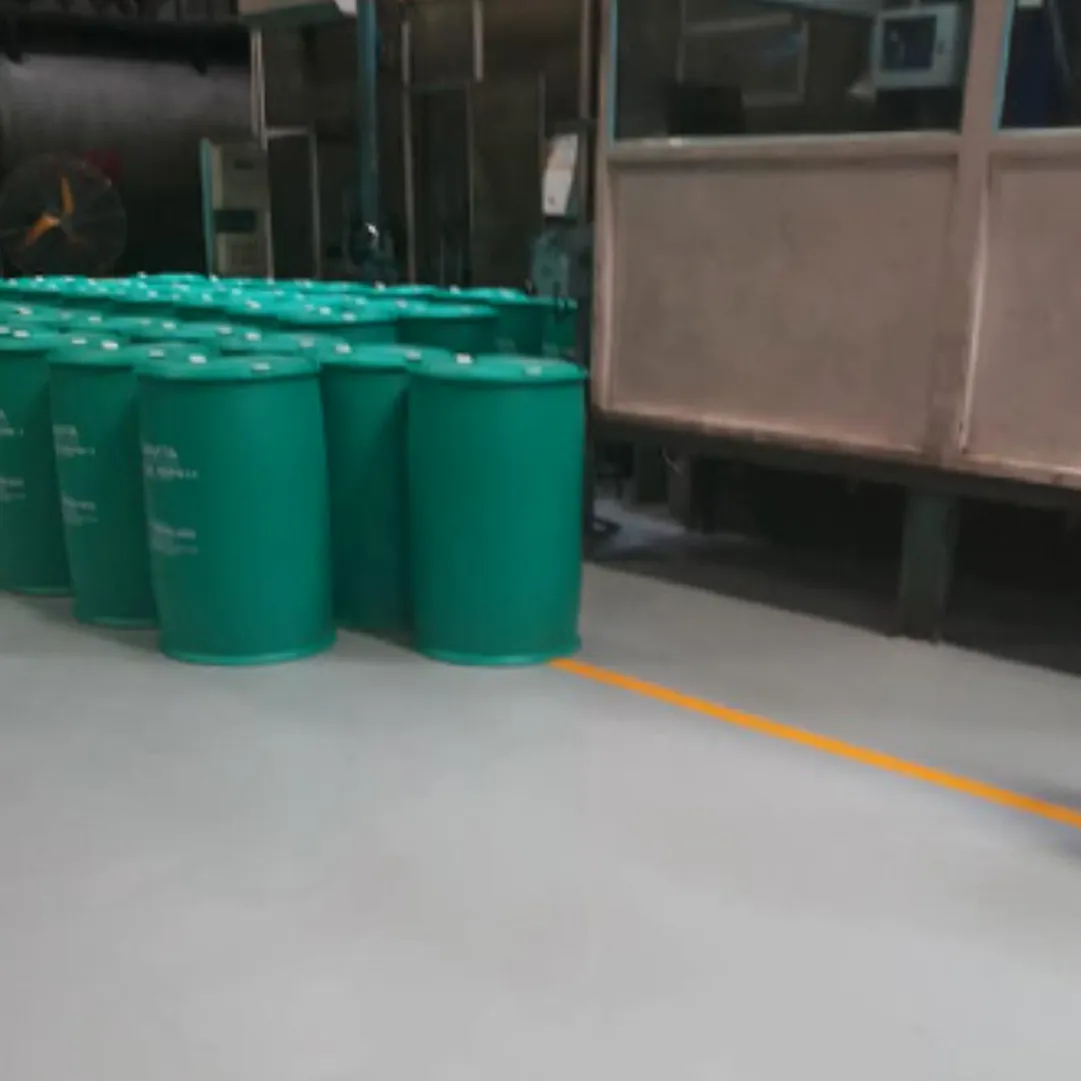
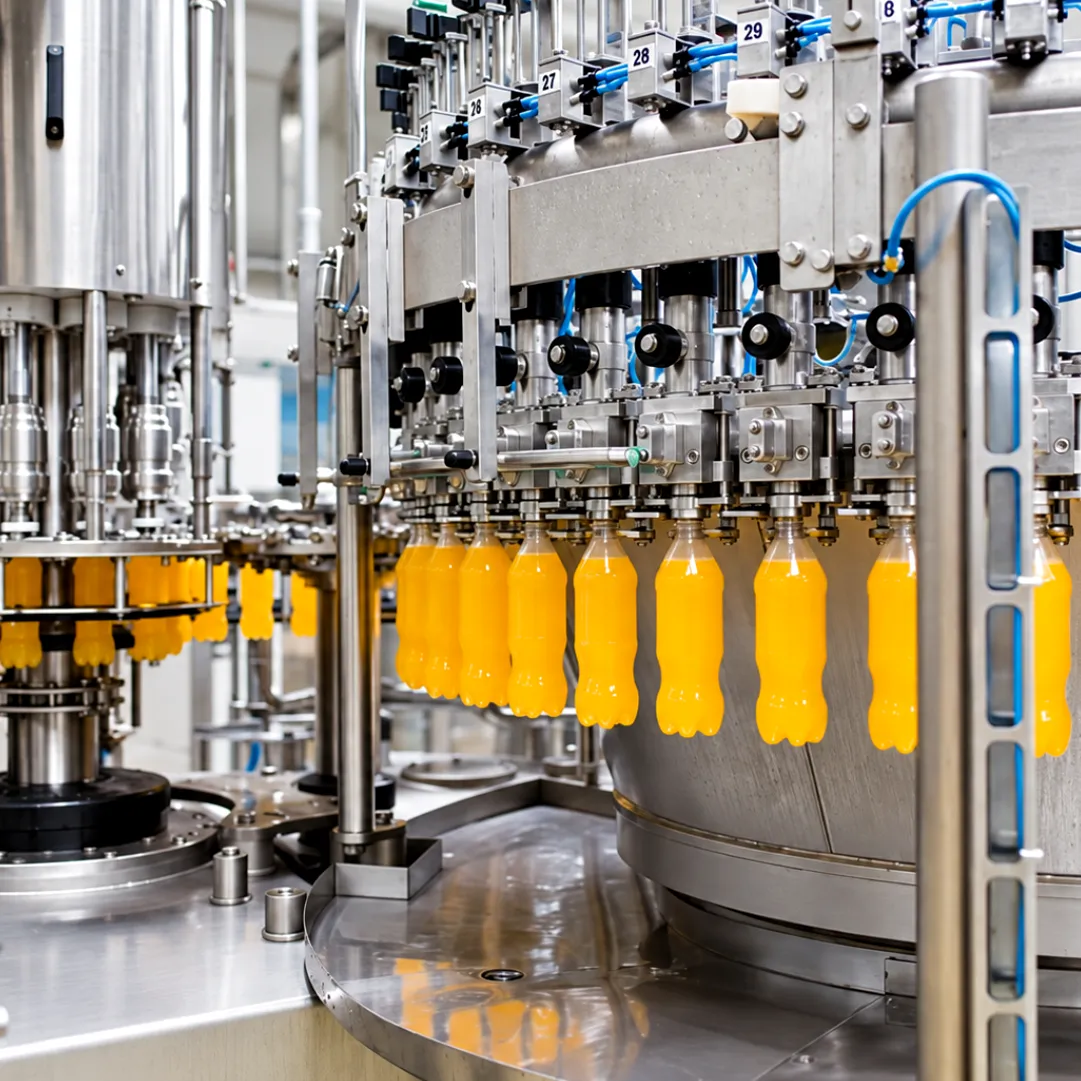
Factory epoxies are suitable for those facilities where the concrete floors have to endure movement, machinery operation, dust, oil, and other products related to industrial activity. The right choice of flooring will contribute to the protection of the concrete floor and easy cleaning.
Epoxy Floors for Factories
The epoxy floors for factories are to be chosen depending on the processes taking place in each specific area. While one area needs a surface that will be smooth and easily cleaned, another one needs a thicker layer of coating capable of enduring mechanical influences.
For factory uses, the following aspects are to be taken into account:
- Placement of machines: The weight and concentrated loads of machinery can influence the choice of the flooring.
- Traffic of vehicles: Forklifts and pallet trucks may need the flooring for wheels.
- Oil and chemical resistance: The epoxy coating is to be chosen considering the chemicals used in the facility.
- Cleaning processes: The frequent washing and cleaning products are to be taken into account when choosing the coating.
Warehouses and Storage Spaces
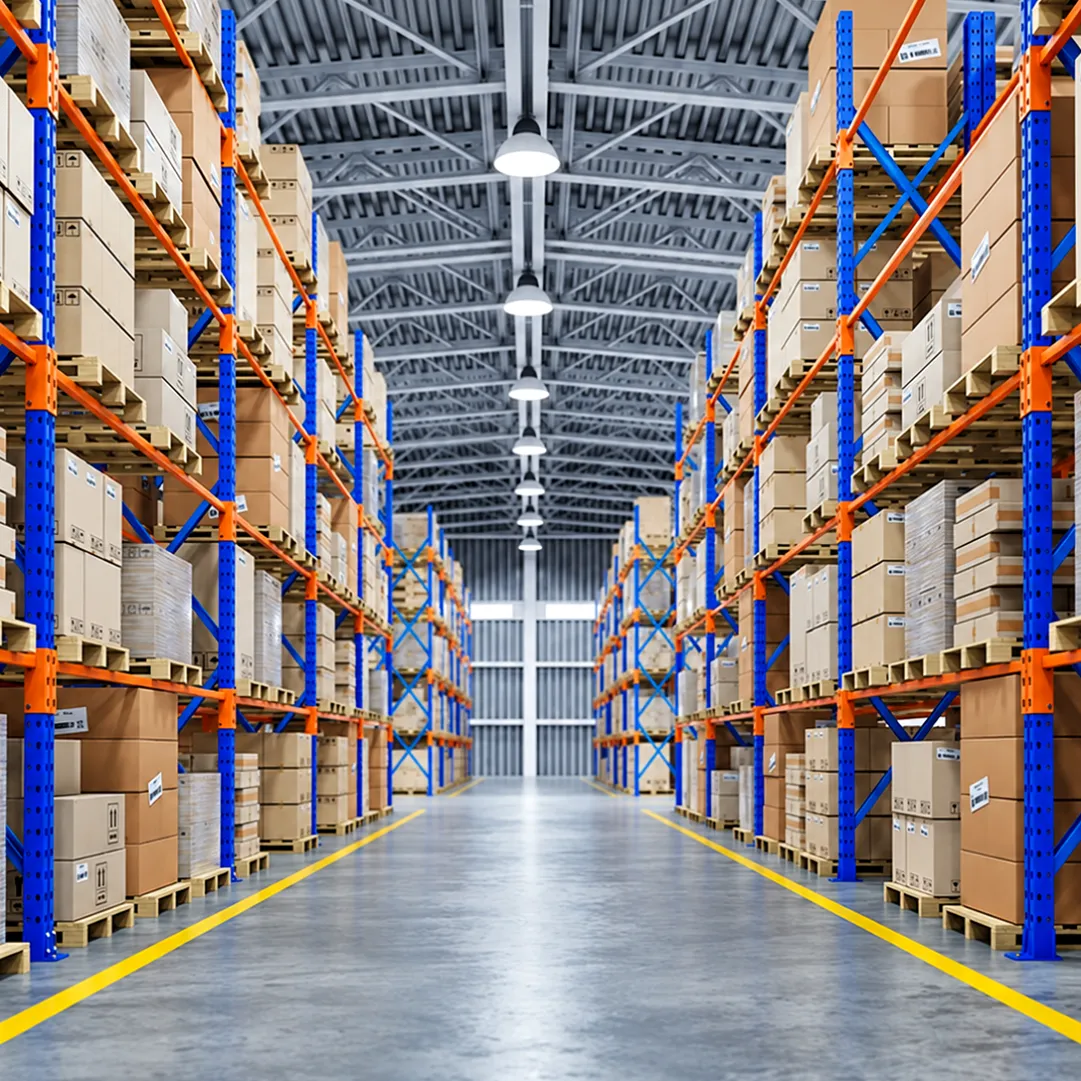
The floor in warehouses will be subjected to material handling, storage equipment, and constant movement of people and vehicles. A suitable epoxy coating can result in a more consistent floor and minimize the exposure of the concrete to various contaminants.
The floor design must take into account the amount of traffic, turning radius, loading space, and machinery used. A regular epoxy coating might not be suitable for all busy warehouses.
Workshops and Manufacturing Areas
Workshops can be subjected to metal dust, greasy areas, falling objects on the floor, and equipment movement. The epoxy floor chosen must be suitable for such an environment. If more durability or impact resistance is required, then a different epoxy coating might be needed.
Laboratories and Commercial Buildings
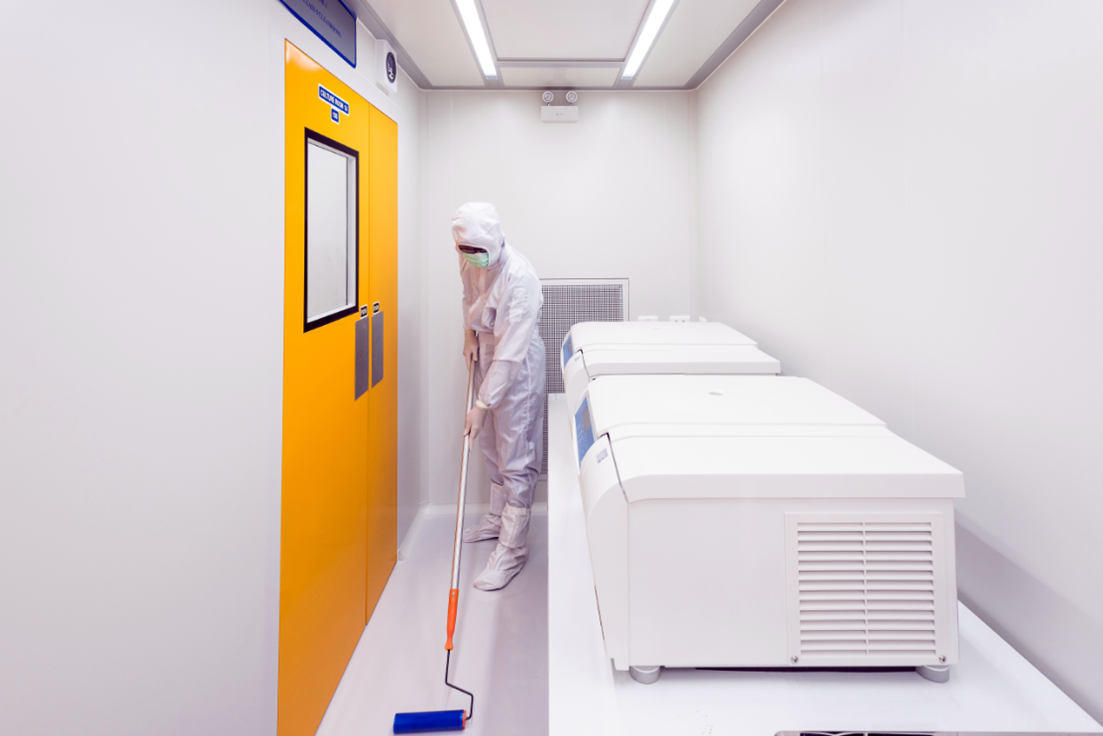
Epoxy flooring can also be laid in laboratories, testing rooms, showrooms, and certain commercial buildings. One needs to consider the demands that will be placed on the finish, chemical resistance, cleaning, and nonskid qualities.
How Is Epoxy Flooring Installed?
The method of installation of the floor covering system will affect the adhesion and longevity of the floor produced. CoatEXX Industrial Solutions bases the necessary work to be done on the state of the concrete, the area size, and the type of epoxy that has been chosen.
1. Site Inspection
The floor is checked for cracking, unevenness, loose concrete, oil presence, moisture, and old paint. This inspection will help to know if repairs will need to be made.
2. Concrete Surface Preparation
The concrete surface is prepared by mechanical means using the right grinding techniques or other preparation methods. All dust, greasy, loose substances, curing compounds, and other contaminants should be removed to ensure a proper bonding surface.
The technique will depend on the nature of the existing floor and the epoxy that is to be applied.
3. Crack Repair & Levelling
Cracking, damaged areas, and other surface irregularities are examined, and repairs made if necessary. Severe unevenness may need separate levelling prior to installation of the epoxy system.
This will help prevent reliance on the coating to fix things that it cannot handle.
4. Primer Application
A suitable primer is applied to the concrete surface prepared for flooring according to the chosen system. A primer ensures adhesion between the substrate and the next flooring layers.
It is necessary to control the moisture content and the amount of the material to be used at this stage.
5. Mixing of the Epoxy Composition
The resin and hardener are mixed in accordance with the prescribed ratio. It is important to control the mixing time, batch volume, and application time of the composition since the chemical reaction begins after mixing components.
Improper mixing will negatively influence curing and quality of the finished surface.
6. Epoxy Flooring Application
The chosen coating, self-leveling material, or screed is applied by means of the appropriate equipment. The installation crew controls the thickness of the coating in accordance with the prescribed time period.
7. Curing and Final Inspection
Once the installation is completed, the floor can now cure depending on the requirements of the product. Access by pedestrians, machines, and vehicles should be stopped until such time that the floor is ready for its purpose.
The floor will also undergo inspection at this stage.
What Factors Affect Epoxy Flooring Price in India?
Epoxy flooring costs in India depend on a number of variables, which means that it is impossible to calculate an accurate price based only on the floor area. Even two projects with identical areas may need different preparation, materials, and installation.
Factors that influence the cost of epoxy floors include:
- Flooring system type: There are three types of floors – coating, self-leveling epoxy, and epoxy screed, and each requires its own materials and application process.
- Floor thickness: Floors that require greater thickness will cost more per square metre or foot. It is necessary to consider what type of flooring will be required for particular application and not just choose it by the lower cost.
- Condition of existing concrete floor: Such things as grinding, crack repairs, old coatings removal, and leveling will affect the cost of the project.
- Area of the floor: Size of the project will influence the amount of material, labor, equipment, and other considerations of the installation process.
Therefore, comparing full quotations is preferable to comparing the material prices. Quotes must include the preparation process, primers, coats, thickness, finish, curing, and excluded materials.
How to Obtain an Epoxy Flooring Quotation?
For a proper epoxy flooring quotation, the flooring contractor needs to have enough information about the site and use of the flooring.
The following information is useful:
- Area to be covered: Give the approximate area of the floor in square feet or metres.
- Location of the project: Give the location of the factory, warehouse, workshop or commercial building.
- Condition of the floor: Give details on cracking of the floor, poor concrete finish, old coatings, oil spillage, moisture problems.
- Intended usage of the floor: Give details of the intended usage of the floor whether for production, storage, machinery, labs etc.
The quotation should give a description of the recommended system, preparation process, thickness, layering of materials, estimated duration of completion, and curing time among other things.
In case the site is under harsh operating conditions, a technical analysis might be required.
How to Choose an Epoxy Flooring Company
Choosing an epoxy flooring provider means more than price comparison. The quality of the material itself, the preparation of concrete surfaces, and the installation process itself are important factors that determine the outcome of the work.
Please consider the following queries before selecting the contractor.
- Similar facilities experience: It would be beneficial to ask if the contractor has worked on similar facilities with conditions like yours: industrial production areas, warehouses, and workshops.
- Specifications of Epoxy System: The epoxy system specification should cover what type of epoxy system, where it will be applied, thickness, other protective coatings, etc.
- Surface preparation: Ask about the surface preparation methods, including concrete cleaning, mechanical preparation, repair, etc.
- Information on materials and technology: Require the appropriate product data sheets and whether the suggested epoxy system is appropriate for your case.
The more detailed the proposal is, the better you can comprehend what is covered by the price and avoid misunderstandings during the installation process.
Epoxy Flooring Services by CoatEXX Industrial Solutions
CoatEXX Industrial Solutions provides epoxy floor coating solutions to industries and businesses seeking an appropriate floor finish for their concrete floors. The selection of the flooring system depends on the current substrate and the type of activities done in the area, as well as the performance requirements of the finished floor.
The process could involve the assessment of the site, concrete floor preparation, crack fixing, priming, epoxy coating, or screeding, among others. For those choosing between epoxy floor coatings in India, the first step should be to determine the actual working environment. A floor that would be walked on needs a different specification compared to a floor that would be subjected to forklifts and machines, cleaning, and chemical spillage, among others.
The CoatEXX Industrial Solutions Company may help to analyze the needs of the project and determine the most suitable kind of epoxy flooring material for the installation. The final specification should take into consideration the condition of the concrete, its thickness, finishing properties, and working conditions.
Get a site visit and a clear quotation from Coatexx Industrial Solutions.