Typical Thickness Range
Indicative Light Traffic Cure
Indicative Full Cure

What Is PU Flooring?
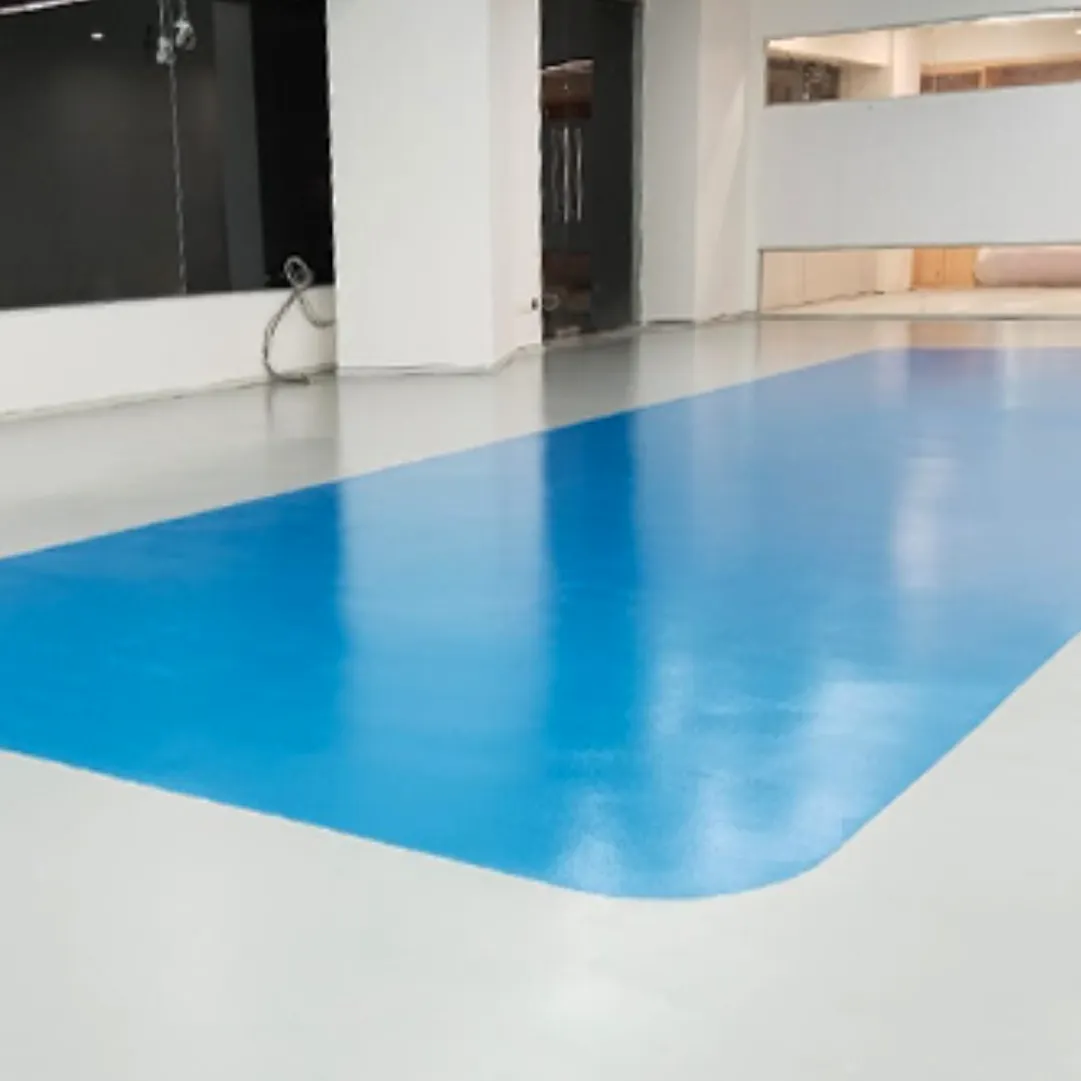
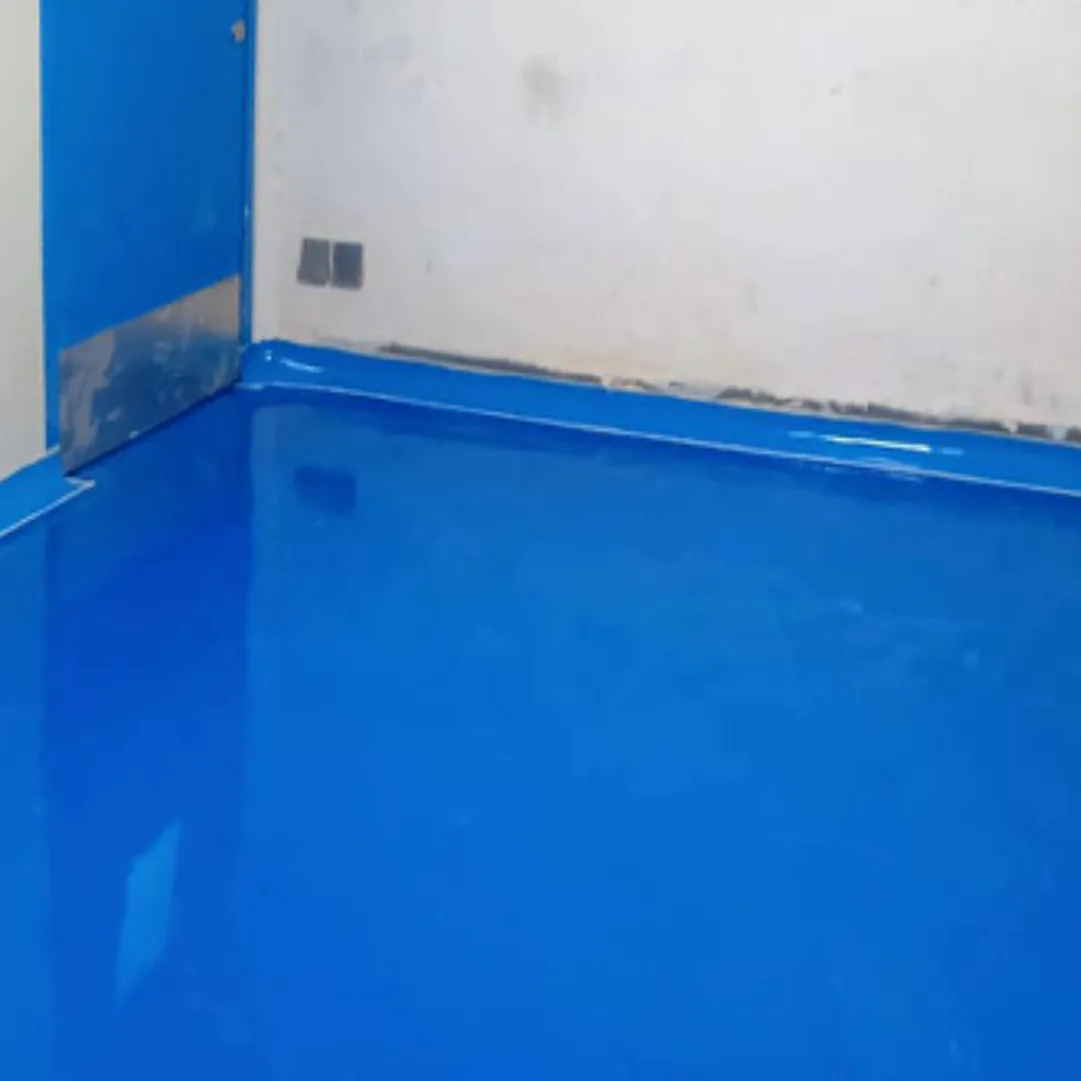
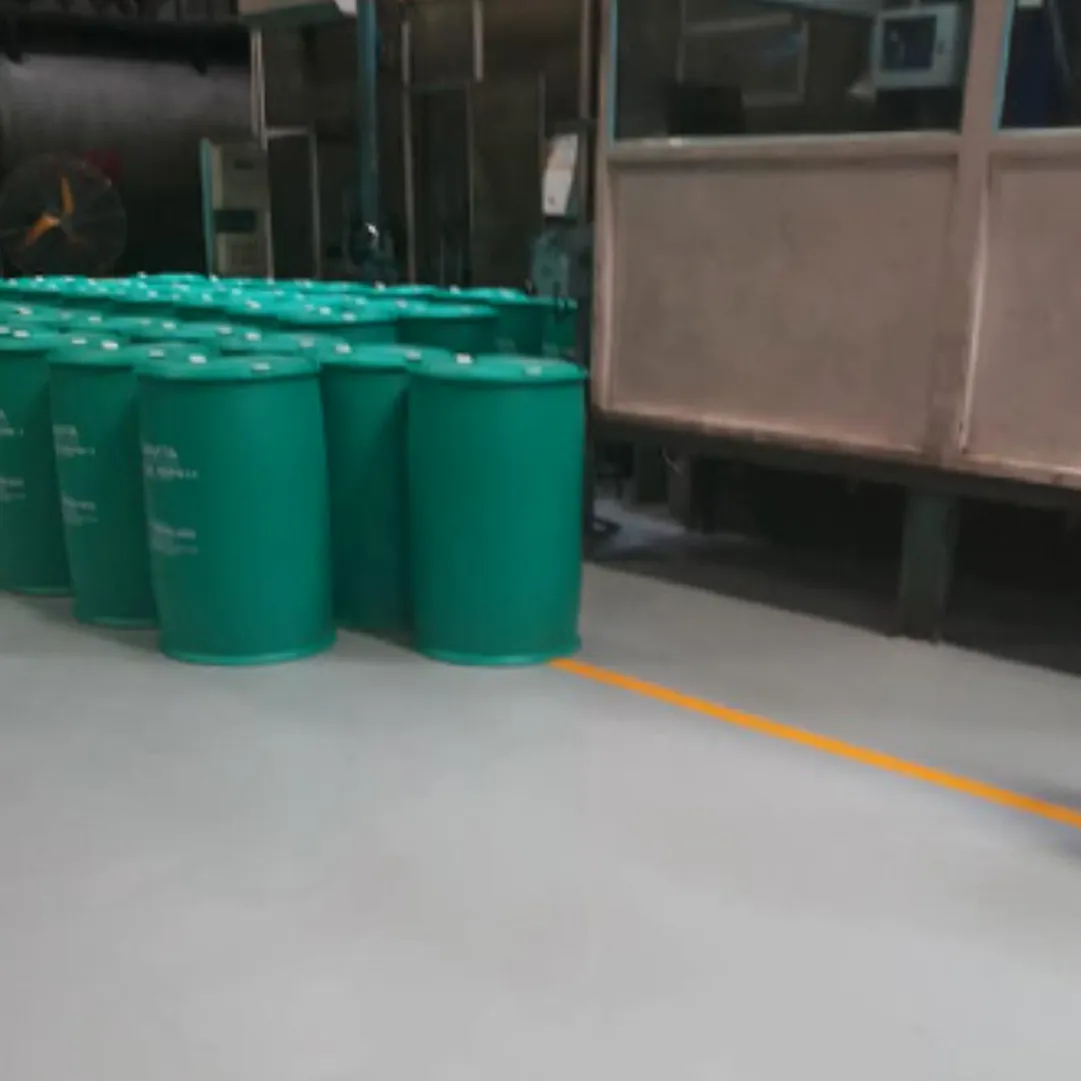
PU floors or polyurethane floors are the resin-based coating floor systems applied to a suitably prepared concrete substrate in order to give protection and durability along with proper finishing to the floor for various working environments. PU floors are installed in industrial factories, food processing units, dairy units, cold rooms, warehouses and other commercial establishments where the floor requires special operational features.
Flexibility in relation to the rigid floors is the key characteristic of polyurethane floors. The flexibility may vary according to the specific polyurethane system used and the substrate movement it allows. Certain polyurethane floor systems are capable of handling washing, moisture, chemicals and industrial operations in addition to being resistant to such operations.
Polyurethane flooring comes in many types like thin polyurethane coating, thick resin flooring systems, polyurethane cement screeds, and even special hygienic flooring systems. Each type of flooring possesses different performance and installation capabilities, which make them suitable for various purposes. For instance, a factory producing food will require flooring material resistant to regular washdowns, whereas cold storage facilities will need cold-resistant flooring materials.
The right flooring system should be chosen based on the condition of the substrate, the temperature ranges, chemicals present, and other factors.
|
System |
Layers |
Total Thickness |
Best For |
|
PU floor coating |
Primer + polyurethane coating |
Product-dependent |
Light industrial use, workshops and general utility areas |
|
Self-levelling PU flooring |
Primer + PU body coat + finishing layer, as required |
Typically 2–4 mm* |
Commercial interiors and production areas requiring a seamless finish |
|
Heavy-duty PU flooring |
Primer + PU screed/body layer + protective finish, as specified |
System-dependent |
Industrial areas exposed to higher wear and operational demands |
We study how the floor is used and test the slab before recommending anything.
A written quotation with the right system, layer build-up and timeline.
Work zones, shifts and access agreed so your production carries on.
Grinding or shot blasting opens the concrete for a strong bond.
Cracks, joints and uneven areas repaired and levelled flat.
A penetrating primer seals the slab and bonds every layer above it.
Body coat and topcoat go down within the manufacturer's recoat window.
Inspected, tested and handed over with clear usage guidance.
- Available in flexible and rigid formulations
- Suitable systems can resist abrasion and regular traffic
- Certain systems perform well in wet processing areas
- Specialised formulations can withstand temperature changes
- Seamless finishes support easier cleaning
- Some formulations offer good UV resistance
- Performance varies significantly between products
- Heavy-duty systems may have a higher initial cost
- Not every PU product is suitable for thermal shock
- Requires proper substrate preparation
- Poor installation can cause adhesion or surface defects
- Chemical resistance must be checked for the specific product
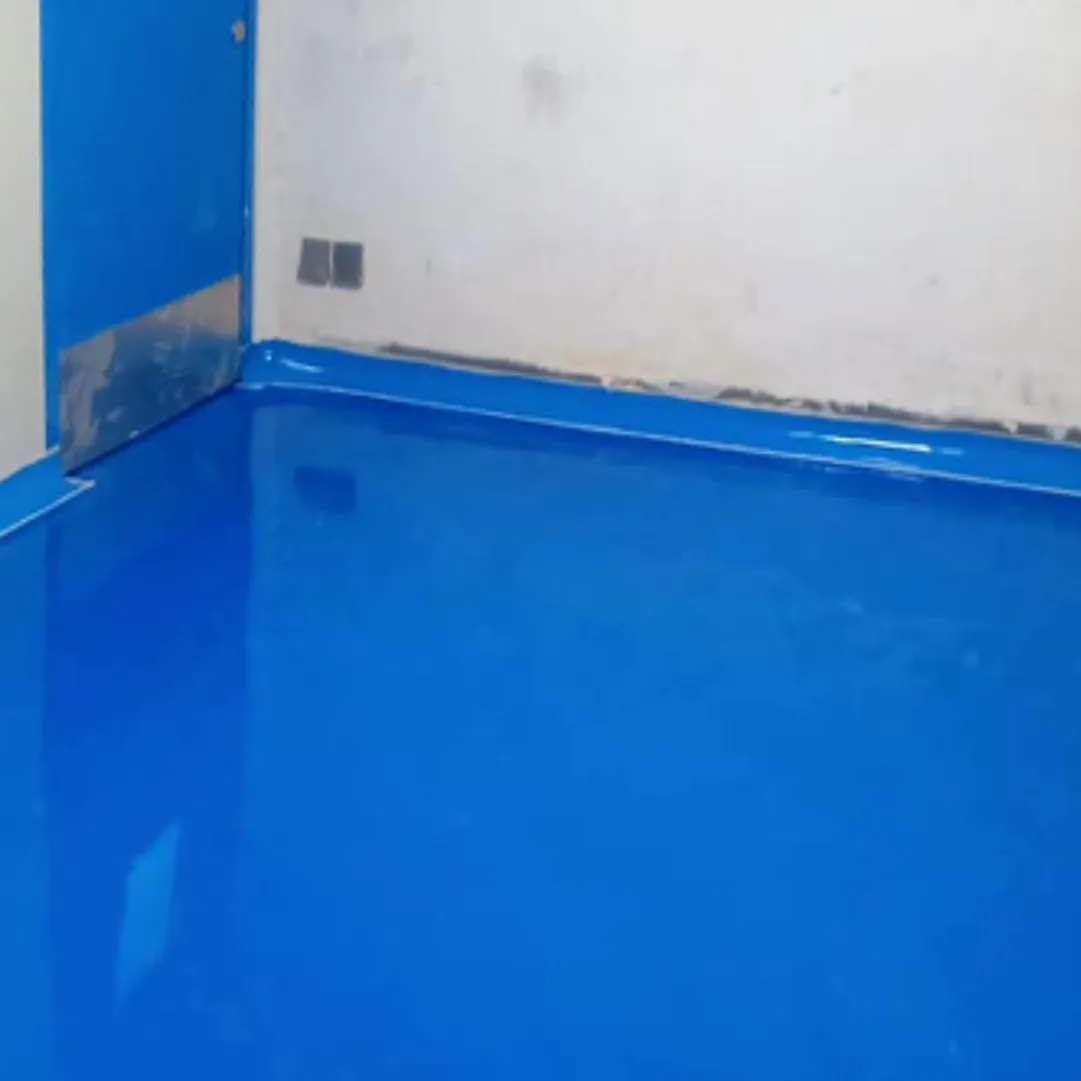
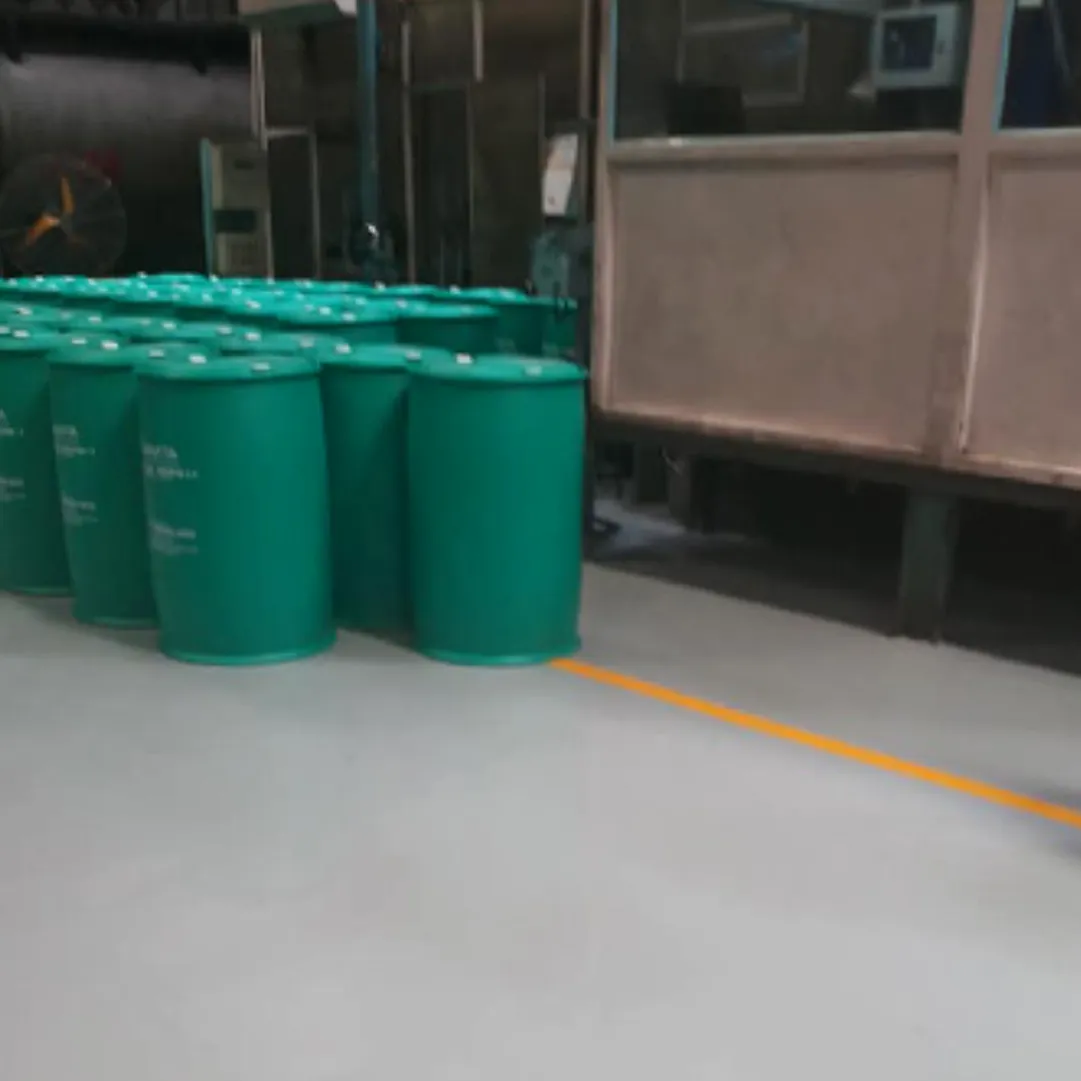


PU flooring is installed in industrial, commercial and certain specialized areas where protection, ease of cleaning, durability or flexibility of the flooring is needed. Typical applications include factories, food processing areas, dairies, warehouses and cold stores.
PU flooring contains polyurethane resins, and epoxy flooring contains epoxy resins and hardeners. Flexibility, UV resistance, chemical resistance and temperature properties of both products differ depending on the formulation. Selection of either product depends on the conditions of use at the installation site.
There is no single recommended thickness. Lightweight coating can be installed for less-demanding applications, and PU screeds are installed for more demanding environments.
Yes, it is possible to use suitable PU flooring in food processing applications. The selected flooring system must fulfill the hygiene, cleaning, temperature, and chemical resistance criteria.
A suitable polyurethane or polyurethane cement floor may be used for dairies and cold storage facilities. This should be appropriate according to the temperature, cleaning regime, traffic and substrates.
The cost of polyurethane floors depends on many factors such as the kind of system, the thickness, material specifications, floor preparation, repair works, size of the project, among others like coving or slip resistance coating.
The CoatEXX Industrial Solutions Company specializes in providing PU flooring solutions for various industrial, commercial, and other demanding applications where strength, hygiene, and durability of the floors are necessary. This solution may be applied in case when there is frequent traffic, moisture, temperature variations, or cleaning chemicals exposure. For exposure to cleaning chemicals, PU flooring services in India, CoatEXX Industrial Solutions is able to provide appropriate flooring solutions depending on the nature of the facility, its condition, and application.
Polyurethane flooring creates a seamless surface that is flexible and resistant to wear and tear. According to the system, it may be applied in manufacturing facilities, food processing facilities, dairies, cold storage facilities, warehouses, and other commercial areas.The decision will be made depending on the existing temperatures, chemicals, load, cleanliness, and floor maintenance. The selection of the proper system will help the organization keep the required floor surfaces within the budget.
How PU Flooring Operates
PU flooring operates on the principle of providing protection by forming a protective film on the prepared substrate. The material is cured by either a chemical reaction or through the curing process recommended by the manufacturer to form an entire floor finish that fits the intended purpose.
The installation of the material is done through the following processes:
- Floor inspection—The existing concrete floor is checked for any cracks, weak concrete, contamination, moisture, and condition of the surface.
- Floor preparation—Mechanical grinding or shot blasting is performed to strip out the weak concrete.
- Repairs – Any cracks, joints, damaged surfaces, and defects are repaired using the appropriate repair material.
- Priming – In case priming is necessary, it is done using the suitable primer to allow proper bonding between the substrate and the flooring system.
The installation process will vary between the systems. For instance, installation of the thin PU flooring coating will differ from that of the polyurethane-cement screed.
Categories of PU Flooring System
Depending on the type of usage, there are various categories of PU flooring systems. Some of the major types are discussed below.
1. PU Floor Coating
PU floor coating is a fairly thin coating used on concrete or similar surfaces. It increases the surface protection properties and makes the floor more resistant to wear and easier to clean. In addition to the above, depending on the formula used, the PU floor coating may be more resistant to UV light than standard epoxy coatings.
It is suitable for commercial spaces, workshops, industrial units, and warehouses when a thin coating will satisfy the demands.
2. PU Screed Flooring
PU screed flooring is a thicker floor coating suitable for locations requiring mechanical strength and resistance to harsh operating conditions. It is mainly recommended for production floors, food processing units, commercial kitchens, and other industrial premises subjected to frequent washing or heavy use.
3. PU Concrete Flooring
PU concrete flooring is also known as polyurethane-cement flooring, which is a floor that is created by combining a polyurethane resin with other cementitious and mineral materials. It is used in industrial environments where a regular thin coat will not meet the requirements.
This floor can be used in food processing facilities, breweries, dairies, commercial kitchens, and any other process involving a lot of water. Depending on the particular material used, the floor will offer various levels of temperature, chemical, abrasive, and impact resistance.
4. PU Epoxy Flooring
PU epoxy flooring is usually a flooring specification that is made up of polyurethane and epoxy materials and applied in multiple layers or in different parts of the floor build-up such as a base or build coat using epoxy and a compatible polyurethane topcoat.
Materials have to be compatible and appropriate for the application since both are different types of resin technology.
5. Food-Grade PU Floors
The food-grade PU floor system is used in applications that are required to maintain high levels of hygiene and cleanability, as well as having wash resistance.
The chosen floor system is to be suitable for the facility's cleaning agents, operating temperatures, and hygiene needs. For applications requiring food safety compliance, the product data and approvals should be checked instead of assuming all polyurethane floors are food grade.
6. Anti-Slip PU Floors
The anti-slip polyurethane floor includes a suitable texture or aggregate to ensure good anti-slip performance in the expected conditions. Such a floor could be employed in wet areas such as washrooms, kitchens, and any other places where water is likely to interact with the floor.
A balance between slip resistance and cleanability will determine the correct amount of texture.
PU Floor Thicknesses and Options
Thickness of PU flooring is critical in determining the performance level, amount of material used, and costs involved in installation. It cannot be specified in all cases since it is determined by the chosen product, condition of the concrete slab, loading level, and the operational environment.
Some of the system classes are as follows:
- Thin PU coating: Where protection is needed and there is a suitable concrete floor.
- Medium PU system: Where a higher thickness of resin film is needed for protection and normal use of the floor.
- Heavy-duty PU screed: Where high usage and harsh conditions exist, including cleaning, mechanical damage, impact and temperature changes.
As a guideline for planning purposes, thin coating systems can have a thickness of a few hundred microns, while heavy-duty resin systems can have a thickness of a few millimetres, depending on the product chosen.
The following factors must be taken into consideration before determining the thickness:
- Foot traffic, wheeled load and fork lift.
- Water immersion, hot water, steam exposure, chemical exposure or process fluid exposure.
- Temperature variations and thermal shock.
- Slip resistance and drainage of floor.
The thickness of the floor should be based on the system chosen from the technical data sheet and project specifications.
PU Flooring – Industrial Uses
PU floors are installed in a variety of industrial or commercial establishments since the particular type will depend on the particular characteristics such as hygiene, wear, resistance to moisture and high temperature.
Typical applications include:
- Food-processing plants: Flooring systems suitable for washing, process liquid presence, and hygiene maintenance.
- Dairy/beverage processing: Floors that can withstand wet environments, cleaning processes, and temperature.
- Cold storage rooms: Flooring systems suitable for low temperatures, proper substrate conditioning, and facility loading.
- Pharmaceutical industry: Seamless and easy-to-clean floors that meet the needs of the facility in terms of hygiene and maintenance.
The floor material needs to be compatible with the process. The system that suits dry warehouses will not work in a dairy room where hot water washing and chemical cleaning take place.
PU Flooring for Dairy and Cold Storage
PU Floor for Dairy
Flooring for dairies must take into account the fact that the environment will be wet, that milk and residues from other processes are involved, cleaning materials, and that cleaning is performed regularly. In some cases, the floor may also be exposed to hot water and temperature fluctuations during cleaning.
A suitable type of polyurethane cement flooring will be one that is water-resistant, easy to maintain, and resistant to the harshness of the dairy processing environment. The specification shall address such issues as slope, relationship to the walls, slip resistance, and compatibility with the cleaning system.
PU flooring for cold storage
Floors for cold storage should be designed so that they are compatible with the temperatures that will be encountered during normal operation, cleaning, loading, and any temperature fluctuations that may be encountered when the facility undergoes maintenance. Concrete substrate, jointing details, insulation and construction of the floor itself are also important.
Resistance to low temperatures will vary according to the formulation and design of the flooring. Some systems work better in a low-temperature environment than others, and the range of operating temperatures should be checked.
PU flooring temperature resistance
Temperature resistance of PU flooring differs greatly depending on whether we consider regular polyurethane coating, specific industrial PU systems, or polyurethane-cement screeds. Temperature requirements of one product cannot be considered when choosing all polyurethane floors.
When selecting flooring for a building subjected to changes in temperature, find out the limits of use for continuous operating temperature, short-term heat resistance, hot-water wash, and thermal shock stated by the manufacturer. These characteristics are not the same.
Critical points to remember are:
- Maximum and minimum operating temperature.
- Rapid change from hot to cold and vice versa.
- Exposure to hot liquid or steam, heated machinery.
- Cleaning water temperature and chemicals used.
If it comes to floor selection for food processing or a dairy plant, consider the process of work and cleaning cycle. For example, a floor suitable for low-temperature storage may not be resistant to hot-water cleaning.
Polyurethane Flooring Price in India
The expense related to polyurethane floors is determined by the kind of polyurethane floors that are to be laid, thickness, composition of the polyurethane floor, condition of the floor, and the needs for installation. As the thin film of PU coating involves lower usage of polyurethane than the thick PU cement screed, it is impossible to compare their costs.
Other considerations are the area of the floor, floor repairs, floor preparation, coving, drainage, slip resistance, and time available for installation.
Elements that influence the cost of PU floors are:
Floor area: This is determined by the total area of the project and will determine the materials and labor involved.
Floor thickness: The thicker the floor, the more materials and labor are involved in laying it.
Condition of substrate: This includes cracks, poor quality of concrete, contamination and water presence.
Floor system: This can include either PU coating, PU screed, or PU-cement floor system.
Since there are significant variations in the specifications, the cost of the project can be accurately determined only by conducting an on-site assessment. The cost comparison should include clear identification of the flooring system, thickness, and preparation works included.
How to Obtain a PU Flooring Quotation
An accurate quotation must take into consideration the actual working conditions at the site and not just be based on the cost per square foot. Proper information will help the flooring services company find a proper system and provide an accurate quotation.
Here is the information you need before asking for a quotation:
- Total area of the floor and location of the job.
- Nature of the business premises and activities carried out in the areas.
- Condition of the existing concrete and any damage that can be observed.
- Amount of human traffic and traffic from forklifts, trolleys, and equipment.
The quotation must include the floor system recommended, thickness, preparation process, repairs to be done, materials required, time schedule, and warranty terms. In case of food processing, dairy, and refrigerated jobs, it should also have temperature and chemical resistance requirements.
How to Choose a PU Flooring Contractor
Selection of the right floor contractor goes beyond choosing the one offering the lowest quote. The contractor should know the operating conditions of your business and provide you with a system of flooring that is ideal for your environment.
When choosing a company to contract with, take into consideration the following factors:
- Experience: Find out whether the company has worked before on similar industrial/commercial conditions.
- Technical expertise: The company should justify why the selected PU flooring systems are appropriate.
- Concrete surface preparation: Find out how the concrete is checked, prepared and repaired.
- Data sheets: Technical data sheets should be provided, along with temperature and chemical resistance limitations.
The ideal floor specified would meet the operating conditions without additional systems and features.
PU Flooring Service Provider in India - CoatEXX Industrial Solutions
Searching for a perfect PU flooring service provider in India for your factory, dairy, food processing plant, warehouse, or cold storage? You can contact CoatEXX Industrial Solutions regarding your flooring needs and determine the parameters that should dictate the selection of the system.
Looking for reliable PU flooring services in India? CoatEXX Industrial Solutions helps you select suitable polyurethane flooring for factories, food processing units, dairies, warehouses, and cold storage facilities.
Contact CoatEXX Industrial Solutions today to discuss your flooring requirements and request a customised quotation.
Get a site visit and a clear quotation from Coatexx Industrial Solutions.