- Home
- Epoxy Flooring
- Floor Repair & Recoating
Floor Repair & Recoating Services
Repair Depth and Coating
Light Traffic Readiness
Solutions

What Is Floor Repair & Recoating?
Floor repair and recoating is a combination of repairing and recoating the old substrate with preparing a new one and applying it where necessary. Repair is used in the physical repair of cracks, holes, loose concrete or failure of coating. Refreshing or renewing the protective surface is done after the base is prepared to receive a new coating.
The first stage in a concrete floor repair service is to identify out whether the damage is cosmetic or linked with a serious problem. Stable crack is dealt with differently than an active crack and a dull coating is dealt with differently than a peeled coating due to moisture, contamination or poor adhesion.
Depending on the inspection, work can involve mechanical preparation, removal of unsound material, filling, patching, levelling, cleaning, priming and a compatible topcoat. Curing and turn to service time is also part of the plan.
|
System |
Layers / Repair Method |
Typical Specification |
Best For |
|
Crack and surface repair |
Crack preparation + compatible repair compound + surface levelling, as required |
Repair depth depends on damage |
Localised cracks, chips and minor surface defects |
|
Epoxy floor recoating |
Mechanical surface preparation + compatible primer + epoxy topcoat |
Typically 400–500 µm for coating systems* |
Worn coatings, dust control and light-traffic industrial areas |
|
Self-levelling epoxy repair and recoating |
Surface preparation + patch repairs + primer + self-levelling epoxy layer |
Typically 2–3 mm for selected systems* |
Uneven or worn floors requiring a smoother finish |
|
Heavy-duty floor repair |
Removal of unsound material + epoxy mortar or suitable repair system + protective finish |
System-dependent |
Localised heavy wear, impact damage and damaged industrial floor sections |
We study how the floor is used and test the slab before recommending anything.
A written quotation with the right system, layer build-up and timeline.
Work zones, shifts and access agreed so your production carries on.
Grinding or shot blasting opens the concrete for a strong bond.
Cracks, joints and uneven areas repaired and levelled flat.
A penetrating primer seals the slab and bonds every layer above it.
Body coat and topcoat go down within the manufacturer's recoat window.
Inspected, tested and handed over with clear usage guidance.
- Repairs localised cracks, chips and damaged areas to improve floor condition.
- Proper preparation supports better bonding of the new coating.
- Helps prolong the service life of suitable existing flooring.
- Recoating seals suitable concrete surfaces and reduces surface dusting.
- Restores a finish that is simpler to clean and maintain.
- Helps avoid complete floor replacement when the damage is limited.
- Requires inspection to identify the cause and extent of floor damage.
- Persistent dampness must be addressed before recoating.
- Severe cracks, settlement or moving joints may require specialised repairs.
- Existing coatings, contaminants and loose material may need removal.
- Repaired or recoated areas may differ slightly from the existing floor.
- Repairs and curing may require temporary closure of the affected area.
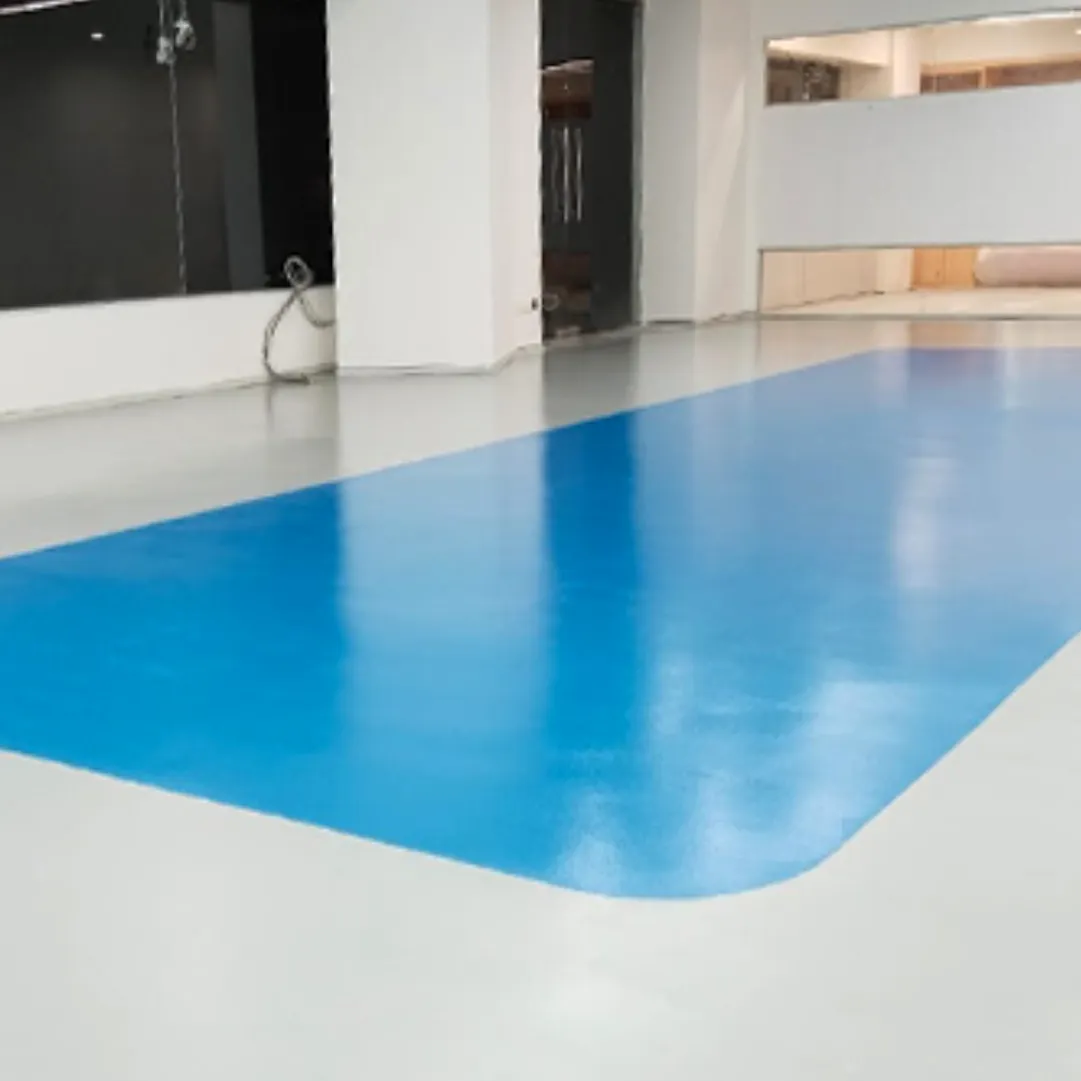
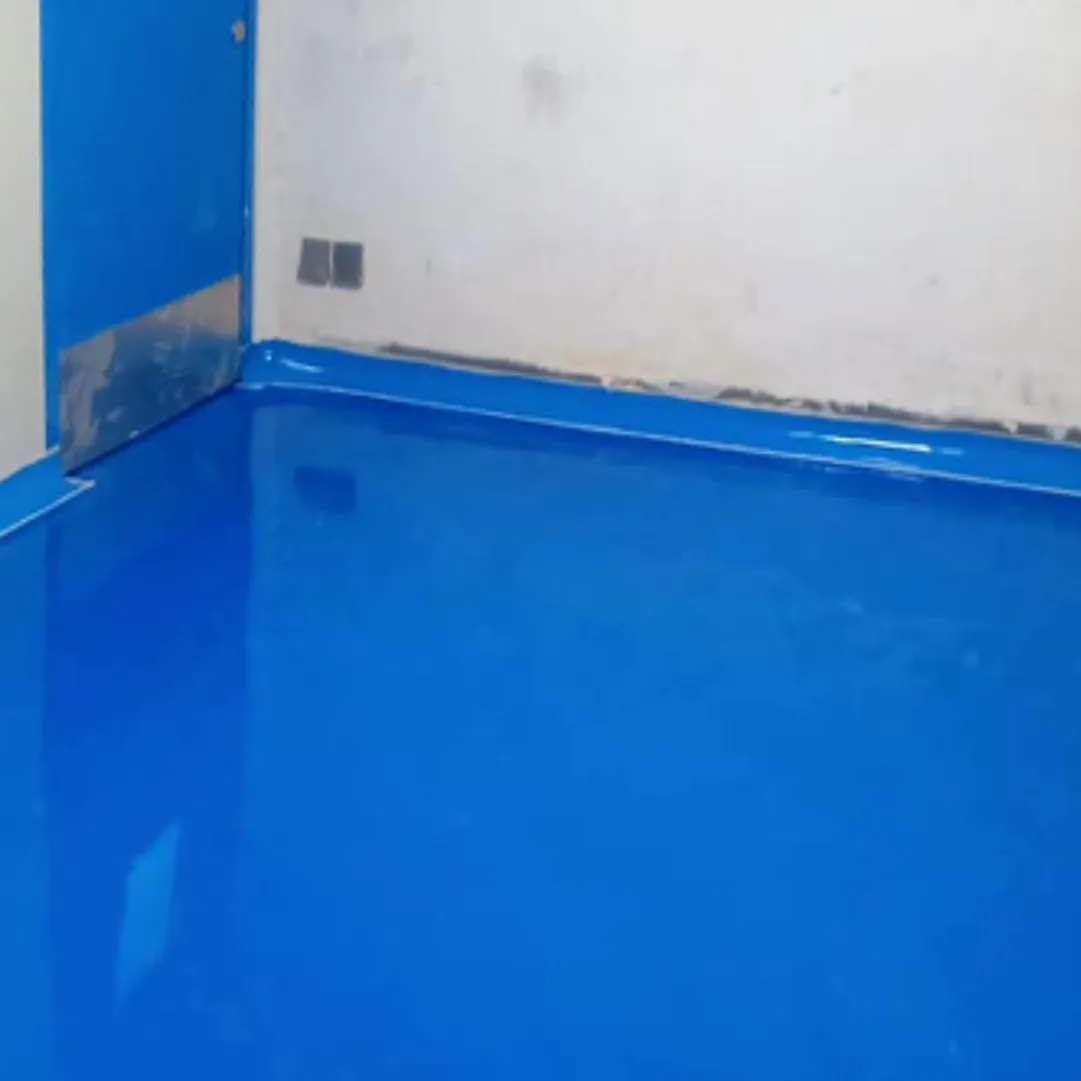


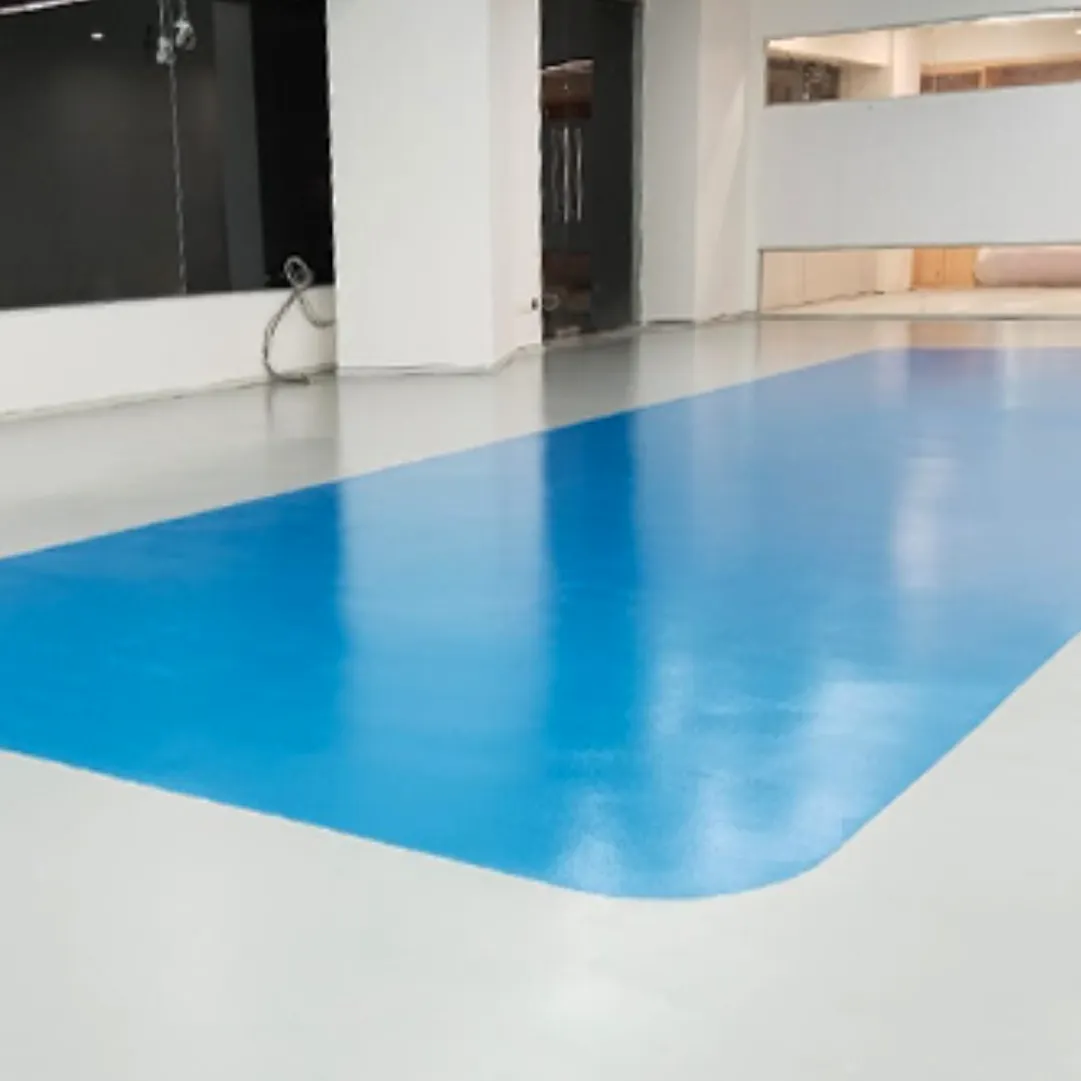
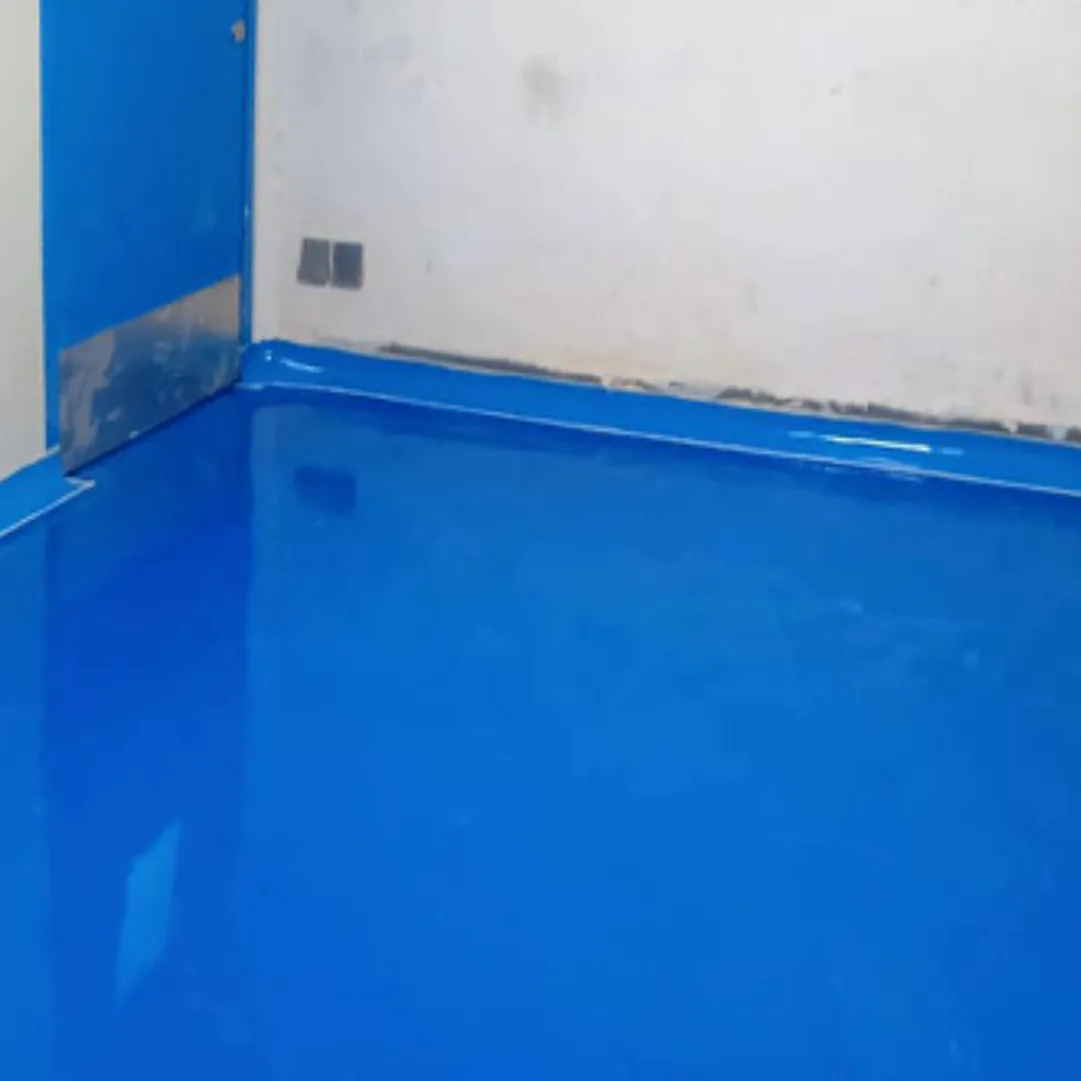
An epoxy floor can be recoated in many cases provided the underlying layer is well bonded and surface is good to prepare. The floor is normally swept and either mechanically abraded or otherwise as per the coating system. Any loose or peeling material should be cleaned up and issues of moisture or adhesion should be addressed before another coat is applied.
Examples are improper surface preparation, oil or dust contamination, moisture in the substrate, unsuitable surface profile, incompatible coating layers or use outside the specified conditions of the product. The coating should be checked to find the probable cause and then the coating can be repaired. Otherwise, the identical issue can be repeated with the new layer.
The overall strategy is to strip off loose coating and unsound material, inspect and prepare the substrate, mend the defect with a compatible material, and finally, to rebuild the coating once it has cured. The technique is based on the damage and available accumulation of floor; repeat failures need to be evaluated initially.
In cases of minor wear, it can be sufficient to prepare and recoat the piece as long as the coating is in good condition. The cracks, holes, or detached parts might require removal and concrete repair as the first step. Do not apply over loose epoxy; observe the instructions on preparation and curing of the system.
The work can involve the inspection, the elimination of weak material, crack treatment, pothole repair, joint repair, surface preparation, levelling, and protective recoating where necessary. Each floor does not require all the steps. The end scope must be the one that mirrors the substrate, extent of damage, working conditions as well as the desired finish.
It must report the locations of work, apparent defects, how it is prepared, the proposed repair and coating systems, its exclusions, required access, and the curing time, and any assumptions that will be updated once it is inspected. Floor photos, measurements, conditions of use and location restrictions are offered to enable the contractor make a more relevant estimate.
CoatEXX Industrial Solutions offers industrial floor repair services in India, including concrete repairs, epoxy floor repair, localized patching, joint treatments, surface preparation and application of compatible protective finishes. It all depends on the concrete condition of the floor, whether it is coated or not, contact with chemicals, or the amount of forklift, trolley, or foot traffic.
An appropriate fix must take care of the broken part and form a solid foundation for the following cover. Before selecting a repair system, the existing floor must be evaluated because the correct material varies based on the nature of the damage, the condition of the substrate and working conditions.
A well-prepared surface with a good structure can be recoated by an epoxy floor service. Nevertheless, coating an already damaged layer with another layer will not fix the source of the damage. The correct remedy can be localized repair, recoating in part or a total floor renewal depending on the condition of the floor.
We can offer our service to:
- Spalling, broken concrete, cracks and chipped edges.
- Holes and depressions in busy streets.
- Ripped, flaked or fading epoxy finishes.
- Damaged or unsuccessful joints with floors.
- Local damage that requires repair prior to a larger recoating undertaking.
Common Floor Problems We Address
Surface and cracks of concrete: Concrete floor crack repair involves first investigating the width, pattern, position and likely cause of the crack. Before filling, cracks that are close to a joint, cracks that recur and cracks that relate to movement should be evaluated. Fixing a crack without knowing its behaviour may result in the defect reoccurring.
Potholes and broken edges: Floor pothole repair typically includes the removal or cutting of weak material, cleaning up the area of repair, edge preparation and reconstruction of the section using an appropriate repair compound. The repair material should be appropriate in the depth, traffic and operating conditions of the floor. A patch on loose concrete is not likely to give a reliable outcome.
Worn or peeling epoxy: The epoxy surface can lose its adhesion, be chipped or scratched or have worn traffic lanes. Repairing epoxy floors may entail scraping off the loose surface, examination of the underlying surface, mechanical treatment of the adjacent area and reconstruction of the damaged area and subsequent repainting. Laying a fresh coating over an already poorly bonded finish can merely pass the previous failure over to the new finish.
Broken joints: Expansion joint filling assists in protecting the edges of the joints and controlling the space between the sections of concrete. The type of joint and movement that would occur are important in the choice of the filler. Where movement is required, a stiff repair material should not be applied anywhere without any consideration.
Our Floor Repair & Recoating Process
A well-defined process will minimize the unexpected and make it easier to organize work based on the operations of facilities.
- Site evaluation: Evaluate the damaged zones, substrate, coating level, traffic, and wetness issues, and probable causes of damages. The assessment aids in differentiating local repair and broader rehabilitation requirements.
- Scope and preparation plan: Determine what areas require removal, crack repair, patching, joint repair, grinding or complete recoating. The plan is to be taken into consideration in terms of access, dust control, safety and downtime.
- Surface preparation: Loose coating and weak concrete can be removed where necessary. The preparation can be done mechanically to achieve an appropriate profile of the repair or coating system. Oil, dust, curing compounds, and other contaminants should be dealt with as it may disrupt bonding.
- Patch and reapplication: Repair cracks depending on the state of the crack, recreate damaged areas with a matching repair compound. Sometimes the repair mortar of epoxy can be appropriate in some localised repairs, but the choice should be made depending on the situation of the locality and the product system.
- Recoating: Once the repairs are cured and the surface is suitably prepared apply a compatible primer or coating system where indicated. Film build, application guidelines and manufacture guidelines are to be followed.
- Curing and handover: Do not damage the repaired floor during curing and make sure that due time has been taken before the foot traffic, vehicle traffic or production. Time may differ based on the material, temperature, humidity, and requirement.
Choosing The Right Repair System
There is no one compound or coating that suits all floors. An excellent recommendation considers the nature of damage, anticipated movement, and cover available, substrate condition, water/chemical contact and loads flowing across the surface.
|
Floor condition |
Possible treatment |
Important consideration |
|
Stable crack in concrete |
Suitable crack filling or repair system |
Confirm whether the crack is stable or active |
|
Pothole or spalled area |
Remove weak concrete and rebuild with a suitable repair mortar |
Depth, edge quality, cure time and traffic load |
|
Scratched or worn epoxy |
Prepare existing coating and apply a compatible recoating system |
Existing layer must be sound and well bonded |
|
Peeling epoxy |
Remove failed coating and investigate the cause before recoating |
Moisture, contamination, surface profile, or application problems |
|
Failed expansion joint |
Remove failed filler and install a suitable joint system |
Allow for the joint’s movement and service conditions |
The final selection should be led by a site inspection. Old epoxy floors may be refurbished with cleaning and overcoating where the old layer is adhered well; an in depth peeling may require removal. Movement or intrusion of moisture or structural problems should be considered and not covered with new surface.
Where Is Floor Repair & Recoating Used?
Industrial floor repair is used anywhere where the safety of a floor affects a safe movement, cleaning, working process or maintenance. Typical locations are manufacturing factories, warehouses, logistic centers, workshops, service bays, parking lots and commercial back-of-house areas.
Sites have different requirements. There can be repairs of a warehouse along a route of a forklift and a production area can require a coating that could be cleaned regularly or have special exposures. The specification must be based on the intended use, such as the slip resistance, hygiene, colour and the curing limitation.
Why Work With CoatEXX Industrial Solutions?
Not only does it involve filling up visible damage. It is also the knowledge of why the floor did not work, how to make the surface correct and the choice of materials that are compatible. CoatEXX Industrial Solutions is keen on outlining the scope of repair in a way that makes customers comprehend what is being offered and why.
Look for when going through a repair proposal:
- An account of the areas affected and the defects that are visible.
- The removal work and preparation involved in the scope.
- The suggested fissure, caulification, joint or coating system.
- Any supposition or omission that can influence the ultimate outcome.
- Approximate work phases, drying needs and access control.
- An obvious method of posing questions prior to work.
A specific scope aids in planning and in comparing quotes based on the work done rather than just on price.
Get an Industrial Floor Repair Quotation
In obtaining a quotation on an industrial floor repair, give the location of the site, the approximate size and the floor type, photos of the damaged areas, the type of traffic; and exposure to any chemicals or moisture known. Add information on the date of completion necessary and the possibility of removing the area out of service during preparation and curing.
The estimate may be narrowed down based on a visit to a site. It must be indicating the proposed repairs, preparation, recoating scope, verified material system and assumptions. A large amount of damage or an unidentified cause might necessitate a further evaluation prior to the finalisation of the specification.
In case your facility has cracks, potholes, aged epoxy or joints requiring some attention, please call CoatEXX Industrial Solutions to talk over the state of your floor and the most feasible next steps.
Get a site visit and a clear quotation from Coatexx Industrial Solutions.