Reduced Downtime
Applications
Marking Options

What Is Industrial Floor Marking?
The act of painting visible lines, symbols, arrows and boundaries on floors to direct movement and also to organize working spaces is known as industrial floor marking. It is mostly used in factories, warehouses, workshops and distribution facilities where workers, vehicles, equipment and materials stored are all in the same space.
The marked floor helps the employees know the walkways that have been laid, where the storage can be found and where the equipment or materials should be. It also has the potential of assisting in marking the areas of the selected hazards and maintaining valuable access routes in view.
Applications of floor marking are common in pedestrian routes, vehicle routes, pallet areas, manufacturing areas, emergency approaches and loading/unloading routes.
Marking layout must be based on real activities in the workplace. The system is also more understandable due to appropriate colours, line dimensions and well-defined boundaries. Appropriate signs, barriers, training and safety procedures should be provided where necessary to support floor markings.
|
System |
Layers |
Typical Specification |
Best For |
|
Epoxy floor marking |
Prepared surface + compatible epoxy marking coat |
Line width as per layout; thickness system-dependent |
Indoor factories, warehouses and production zones |
|
PU floor marking |
Prepared surface + compatible polyurethane marking coat |
Line width as per layout; thickness system-dependent |
Areas requiring wear resistance and selected outdoor applications |
|
Anti-slip safety marking |
Prepared surface + marking coating + anti-slip aggregate, where required |
Width, texture and colour as per safety layout |
Ramps, pedestrian crossings and high-traction zones |
We study how the floor is used and test the slab before recommending anything.
A written quotation with the right system, layer build-up and timeline.
Work zones, shifts and access agreed so your production carries on.
Grinding or shot blasting opens the concrete for a strong bond.
Cracks, joints and uneven areas repaired and levelled flat.
A penetrating primer seals the slab and bonds every layer above it.
Body coat and topcoat go down within the manufacturer's recoat window.
Inspected, tested and handed over with clear usage guidance.
- Defines vehicle paths, pedestrian walkways and movement zones.
- Helps identify hazards, restricted areas and emergency access routes.
- Clearly identifies storage zones, workstations and designated spaces.
- Suitable systems resist routine wear from foot traffic and vehicles.
- EUses colours and symbols to communicate workplace instructions quickly.
- Helps organise parking bays, warehouse aisles and loading areas.
- Requires a clean, dry and suitable substrate for proper adhesion.
- Heavy traffic, braking and turning can gradually damage markings.
- Marked areas may need temporary closure before traffic resumes.
- Dust, dirt and abrasion can reduce marking visibility over time.
- Outdoor markings may deteriorate faster under UV exposure and harsh weather.
- Worn or damaged markings require maintenance and repainting.
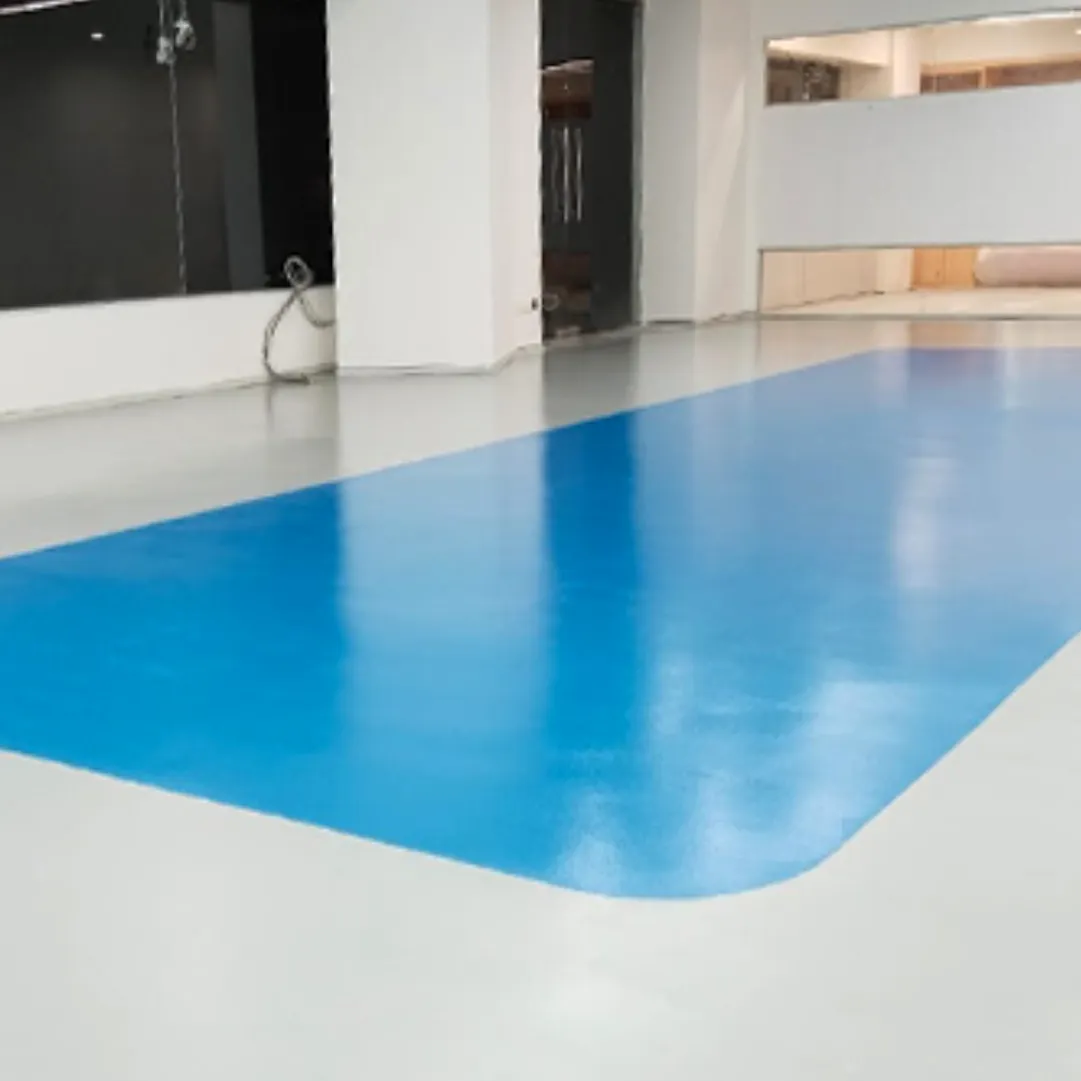
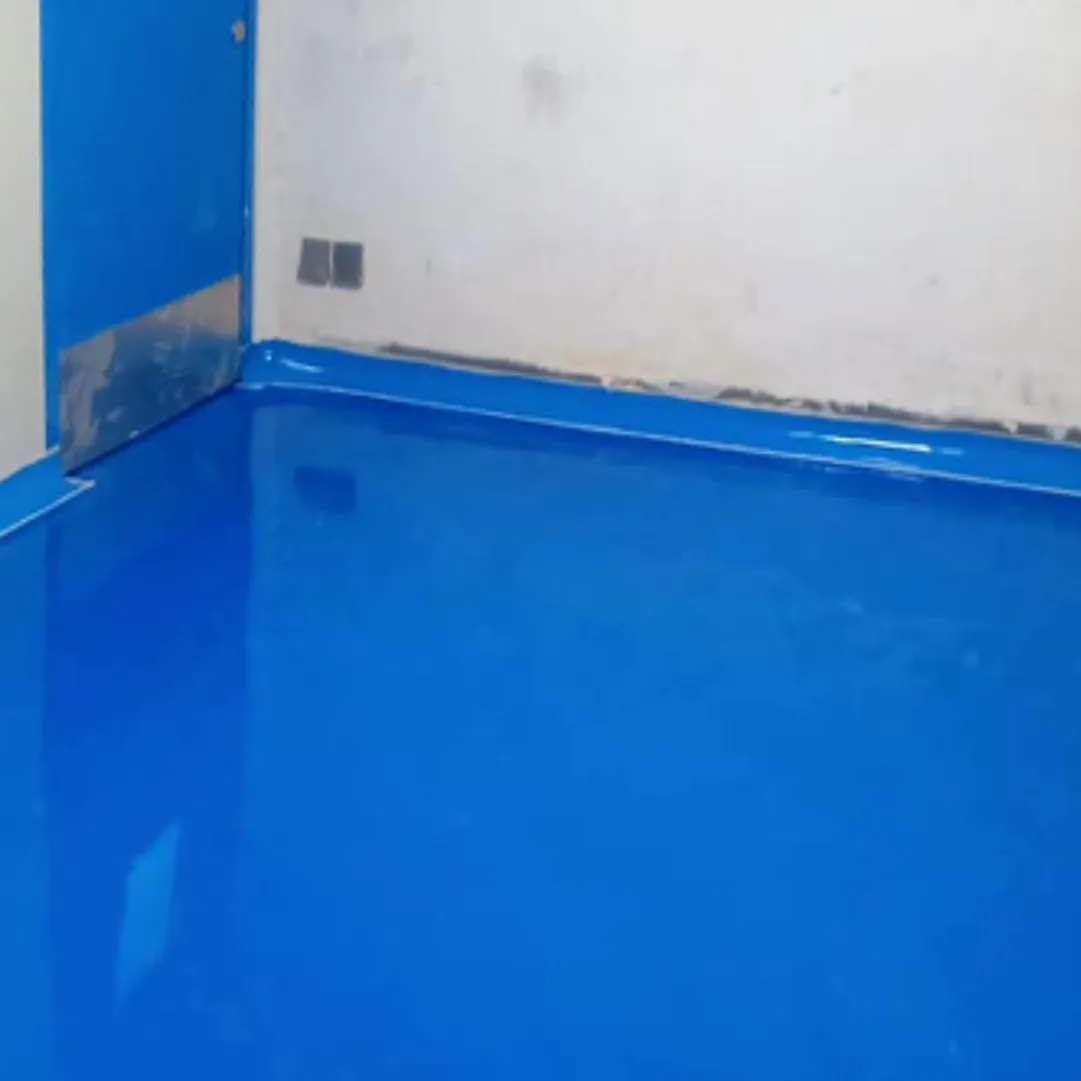
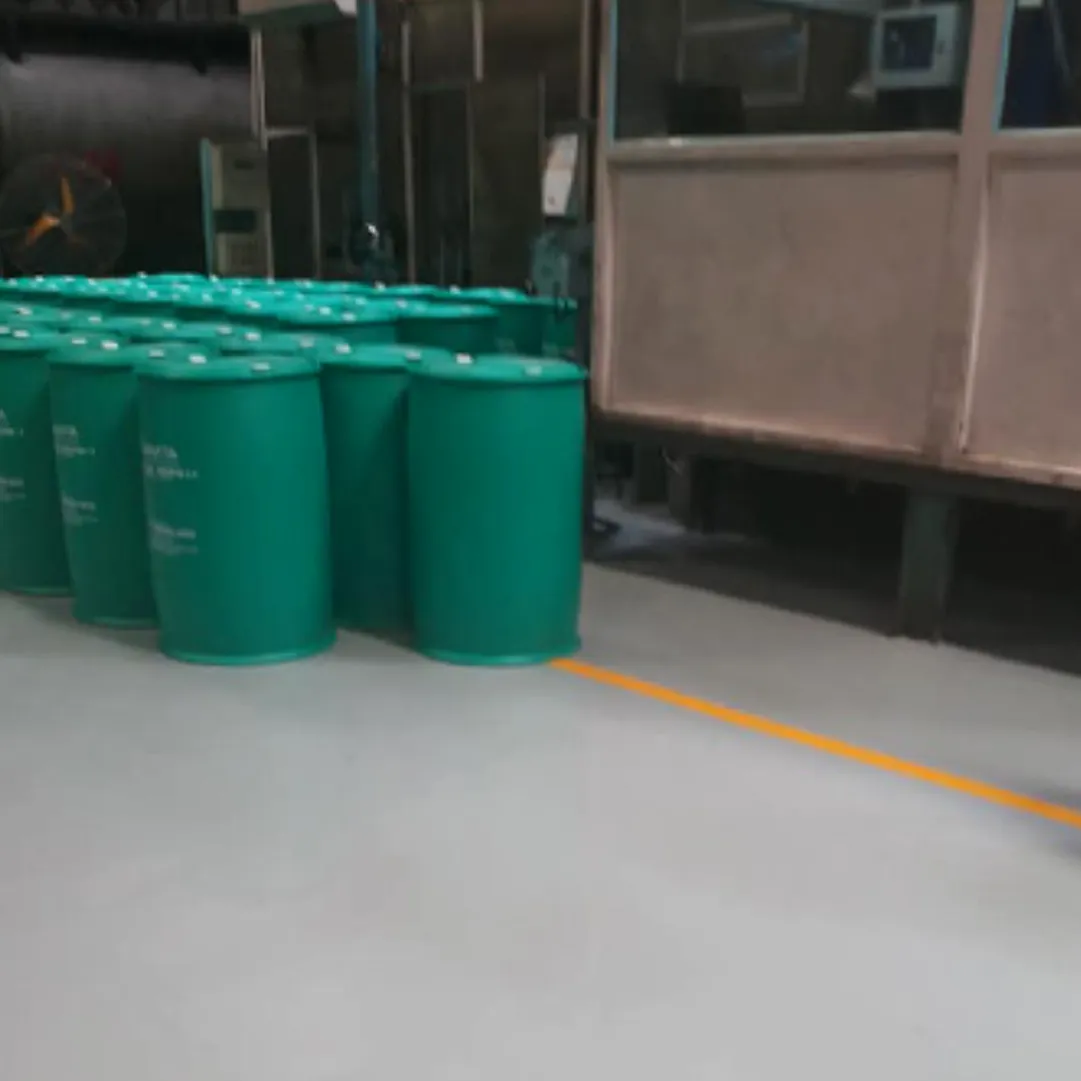


Floor marking services entail the painting of lines, arrows, symbols and boundaries on industrial or commercial floors. They assist in defining walkways, areas of storage and vehicle tracks as well as areas of choice in safety. Services can comprise planning of the layout, preparation of the surface, application, and final inspection.
Floor marking may be useful in manufacturing facilities, storage facilities, workshops, logistic centres, distribution facilities, and commercial buildings. It is applicable in any area where companies require defined movement routes, storage zones, equipment areas, or confined areas.
The general marking is done by the use of floor marking paint and the epoxy line marking consists of an epoxy-based coating system. The epoxy can be more resistant to abrasion in appropriate conditions, but the appropriate decision depends on the floor surface, traffic, the characteristics of the products, and the maintenance needs.
The width recommended is based on the purpose of the marking, site plan, visibility requirement, and needs that may apply. There are operational needs of pedestrian paths and forklift aisles. Dimensions are to be determined after considering traffic, size of equipment and clearances needed.
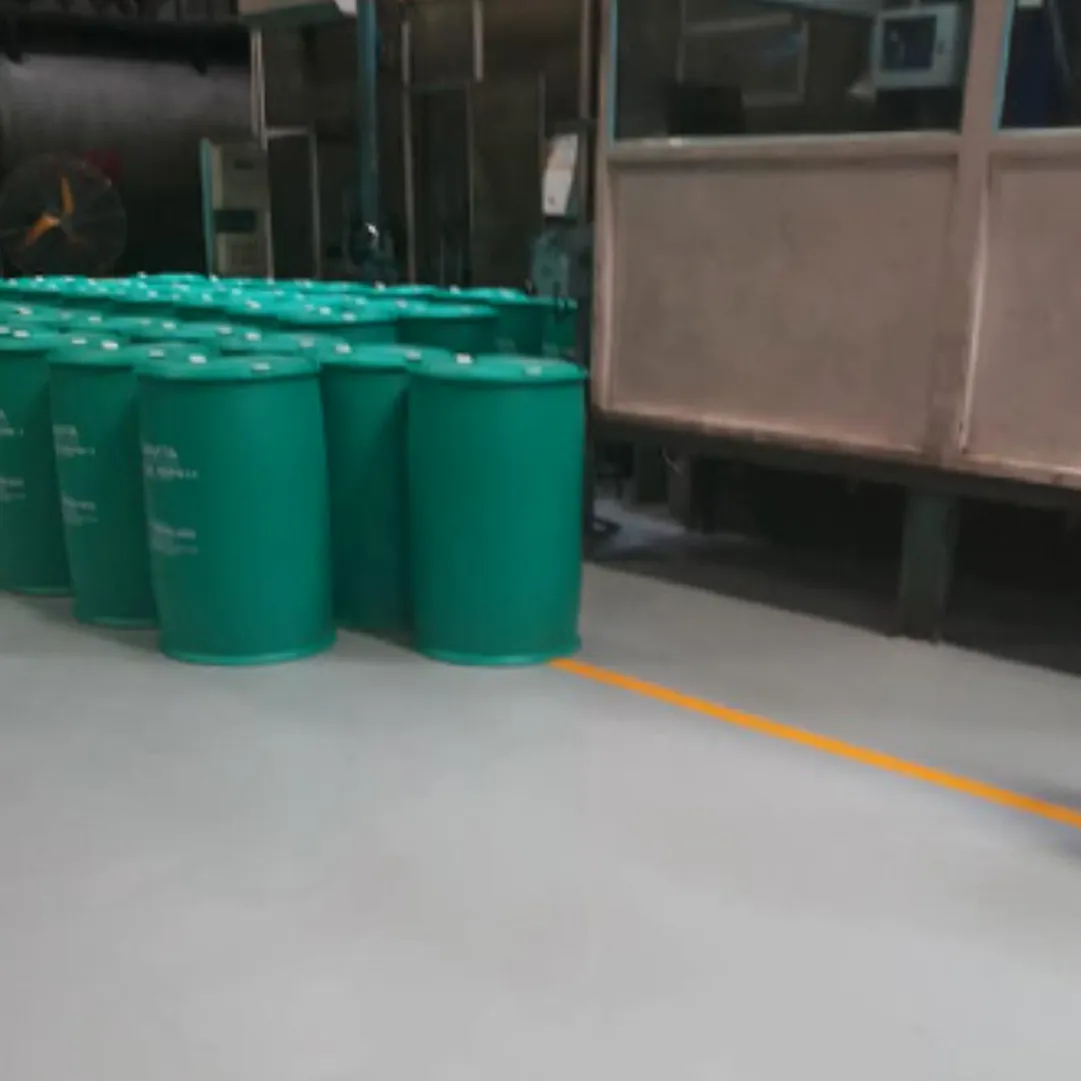
Yes. Warehouse aisles, movement routes, boundaries and selected areas of caution are usually marked with yellow line. Its meaning must align with the colour-coding system and safety measures of the warehouse.
Find a contractor that takes into account floor conditions, application techniques, surface preparation, and material compatibility, and layout requirements. Discuss the maintenance, line size, the exact extent of the quotation and cure time before starting the job.
CoatEXX Industrial Solutions is a professional Indian floor marking service provider that assists businesses in making their workplaces organized, well marked and efficient. We serve industrial and commercial projects all over India, offering feasible marking services to factories, warehouses, manufacturing plants and logistics centers. In the case of businesses in India, we target providing appropriate floor marking systems to enhance orderliness at the workplace, facilitate movement and assist in identifying key areas of operation.
CoatEXX Industrial Solutions offers factory floor marking services in India to factories, warehouses, manufacturing plants, logistics centers and commercial buildings. Our floor marking products assist companies in establishing walkways, storage areas, forklift paths, equipment areas and restricted areas with a clear line, arrows, symbols and colour-coded markings. An effective floor marking system can be used to minimize confusion, enhance organization and facilitate the flow of people and materials at a workplace through proper planning.
Our Floor marking services are tailored to suit the unique needs of various industrial and commercial establishments, such as
- Manufacturing plants: Mark manufacturing areas, workstations, inspection areas and material flow pathways
- Warehouses: demarcate storage space, picking space, loading bays and forklift aisles
- Logistics centers: Provide good traffic directions and staging points
- Industrial plants: Find pedestrian routes, restricted zones and equipment boundaries
- Commercial buildings: Plan working areas, service and circulation
We know that each facility is different in operating conditions at CoatEXX Industrial Solutions. Before we recommend an appropriate solution, we think about the floor surface, the flow and the marking specifications, as well as the maintenance requirements. Be it typical floor line marking, safety line marking, or long lasting epoxy line marking, we strive to deliver clear, practical and long lasting results that suit your facility.
Select CoatEXX Industrial Solutions to find professional floor marking solutions that will allow you to organize, make the workplace more efficient and mark it.
Types Of Floor Marking Solutions
Some of the common types of floor marking solutions are the following:
Yellow Line Marking
Aisles, movement routes, storage boundaries and the chosen areas of caution are often outlined with yellow line marking. It is visible and hence helpful in most industrial settings.
Warehouse aisles, equipment boundaries, the paths of material movement and the specific operating zones can be identified by yellow lines. Each colour is supposed to have the same meaning across the facility and in relation to the relevant safety requirements.
Warehouse Floor Marking
Floor marking in warehouses assists in the organization of pallet locations, rack aisles, picking areas, packing areas, dispatch areas and loading bays. An effective plan can help eliminate misunderstanding on where the goods have to be kept and what paths have to be cleared.
When coming up with warehouse markings, businesses should remember the distance between the racks, the movement of the forklifts, the volume of the load, walkways and the location of the work areas.
Forklift Aisle Marking
Forklift aisle marking delineates paths traversed by material-handling equipment and assists in differentiating between paths and pedestrian routes and storage areas. It can be of great use in crowded warehouses, manufacturing centers and distribution centers.
An appropriate layout must consider vehicle width, turning area, visibility and the size of the loaded and pedestrian crossings. Floor lines are not the only way to avoid accidents and appropriate barriers, signs, speed limits and operating procedures might be necessary.
Epoxy Line Marking
Epoxy line marking involves the use of an epoxy coating to make well-defined floor lines. It can provide good adhesion and abrasion resistance to routine in case of product and application conditions.
It can be appropriate on some selected high-traffic paths, production paths, industrial aisles and storage boundaries. The floor should be compatible with the selected system and preparation and curing are to be performed according to the instructions of the product manufacturer.
Safety Line Marking
Safety line marking determines the special lanes, prohibited zones, danger zones and significant access paths. It gives visual guidance that facilitates safety measures in the workplace and assists employees to identify various areas.
Regular inspections, regular boundaries and consistent colours are significant towards having an effective marking system.
Choosing The Right Floor Marking Material
The choice of materials is based on the traffic, the state of the surface, the maintenance requirement and the anticipated life of the marking.
|
Marking option |
Main advantages |
Suitable applications |
|
Floor marking paint |
Flexible layouts and clear painted lines |
General industrial areas and walkways |
|
Epoxy line marking |
Can provide a durable bonded coating |
Selected high-traffic industrial zones |
|
Floor marking tape |
Convenient installation and layout changes |
Temporary layouts and selected lighter-duty areas |
|
Specialized coating systems |
Can be selected for specific operating conditions |
Facilities with particular surface or performance needs |
Floor Marking Tape Vs Paint
The choice between floor marking paint and floor marking tape will be determined by whether or not the area is used. Tape can be useful in cases where layouts need to change frequently or where the time to install the layout is limited. Nonetheless, the adhesion and edge wear are determined by the tape, surface condition, cleaning routines and the traffic.
Paints are commonly regarded as an option for permanent layouts and unbroken lines in greater spaces. Coatings that are made of epoxy can be used in selected challenging environments in cases where the product is suitable for the floor and operating conditions.
A decision to consider is as follows:
- Traffic conditions: These can be high forklift movement levels that can wear the roads
- Surface preparation: Dust, oil, moisture and loose coatings can influence adhesion
- Installation time: Paint and epoxy systems could require time to dry or cure and traffic can resume
- Flexibility in layout: Tape may be simpler to replace as the floor plan is modified
- Maintenance: Not only think about the cost of installation, but also the future repair cost and frequency
Site assessment will aid in determining the most feasible alternative to the application.
Our Floor Marking Application Process
The systematic installation process can be used to generate clean lines and even coverage.
- We inspect the floor, markings necessary, traffic and operating requirements
- Line positions, widths, colours, symbols and movement routes are laid out based on the application.
- The surface is washed and set up as per the material of choice of marking
- The layout is measured to determine straight lines, uniform spacing and boundaries
- The selected marking product is applied with the help of a suitable method. An experienced floor marking paint applicator must have uniform dimensions and edges that are clean
- The area gets secured until the time chosen product is dry and ready to resume usual traffic
- Finished lines are verified on alignment, continuity, visibility and finish
The exact procedure is determined by the floor condition, material specifications and project needs.
Understanding Safety Line Marking Width
The appropriate safety line marking width is determined based on the intended purpose of the marking, visibility standards, traffic conditions and site standards. Aisles, storage limits and hazard zones could have varying dimensions.
In the case of vehicle routes the layout must take into account the width of equipment, the size of loads, the turning area and the distance between people and the moving vehicles. The line must be visible and not cause confusion on which route to be used.
When planning to layout the business, businesses should identify marking dimensions and adhere to applicable regulations and internal safety protocols. An appropriate evaluation assists in making sure that the indicators underpin the real operations of the facility.
Line Marking Rate Per Running Meter
The rate of line marking per running meter varies according to the material, line size, the preparation of the surface and the difficulty of the project. Any standard rate will not be sufficient to include all the applications since general paste marking of paints and special epoxy systems might need other materials and other installation practices.
The quotation is going to be influenced by the following factors:
- Total marking length: Depending on the project size, material planning and labour may be affected
- Line thickness and width: Thinner lines tend to need less material and wider lines also tend to need more material
- Selection of materials: Paint, epoxy and special products vary in cost
- Condition of the surface: Washing, polishing and erasing old marks or fixing may add more work to preparation
- Complexity of layout: Arrows, symbols, several colours and crossroads can require more time
- Access to the site: There may be constraints on the working hours or otherwise due to the necessity of being in the operations area
To be correct, provide an approximation of the running length, the length needed, the type of floor, where the site is to be located and the material of choice. The initial assessment can also be achieved with the help of a floor plan or photographs.
CoatEXX Industrial Solutions is able to audit these facts and give a project-related quotation on the basis of the real scope of work.
Why Choose CoatEXX Industrial Solutions?
Choosing the appropriate floor marking contractor is not about price comparisons. Planning, preparation, the material and the method of application can influence the final outcome and the maintenance needs.
CoatEXX Industrial Solutions specializes in a practical floor marking solution for industrial and commercial facilities. Our approach emphasizes:
- Application-based recommendations: Solutions are viewed based on the surface conditions and operating requirements
- Explicit layout planning: Markings are planned based on movement paths, storage areas and workplaces
- Finishing: The use of alignment, uniformity of lines and clear boundaries is crucial
- Operational awareness: Installation planning takes into account the access and curing requirements
- Clear scope of project: Good quotations are made based on clear measurements and materials specifications
We intend to assist companies in designing better structured facilities using floor marking solutions that meet the needs of the business.
Contact CoatEXX Industrial Solutions for Floor Marking
Well-identified facilities promote organization, movement and planning of workplaces. Warehouse floor marking, forklift aisle marking, epoxy line marking and bespoke safety layouts are all based on finding the right solution that begins with a knowledge of your needs.
Contact CoatEXX Industrial Solutions to talk about your project, give them your floor layout and get a quote. We will assist you in evaluating the appropriate floor marking solutions to your facility.
Get a site visit and a clear quotation from Coatexx Industrial Solutions.